Search
Research
The Power of Playgroups: Key components of supported and therapeutic playgroups from the perspective of parentsPlaygroups are community-based programs for children and families aiming to improve child outcomes, enhance family and community networks and increase parenting capacity. Despite the prevalence of playgroups in Australian communities there is a lack of research clearly articulating the key components of playgroups, specifically from the perspective of parents attending these groups.
Research
Randomised Controlled Trial of a Therapeutic Playgroup for Children with Developmental DelaysA single-blind randomised control trial investigated the effectiveness of the Learn, Engage and Play (LEaP) playgroup. Seventy-one children with developmental delay were randomly allocated to an 8-week LEaP playgroup or control group and followed up at 12 and 28 weeks.
Research
Genotype–phenotype correlations and novel molecular insights into the DHX30-associated neurodevelopmental disordersWe aimed to define the clinical and variant spectrum and to provide novel molecular insights into the DHX30-associated neurodevelopmental disorder. Clinical and genetic data from affected individuals were collected through Facebook-based family support group, GeneMatcher, and our network of collaborators.
Research
Basic epidemiology of wellbeing among children and adolescents: A cross-sectional population level studyWellbeing and mental health are fundamental rights of children and adolescents essential for sustainable development. Understanding the epidemiology of child and adolescent wellbeing is essential to informing population health approaches to improving wellbeing and preventing mental illness.
Research
The Spectrum, Severity and Outcomes of Rheumatic Mitral Valve Disease in Pregnant Women in Australia and New ZealandRheumatic heart disease (RHD) poses significant perinatal risks. We aimed to describe the spectrum, severity and outcomes of rheumatic mitral valve disease in pregnancy in Australia and New Zealand.
Research
Sleep-disordered breathing in Australian children with Prader-Willi syndrome following initiation of growth hormone therapyIn children with Prader-Willi syndrome (PWS), growth hormone (GH) improves height and body composition; however, may be associated with worsening sleep-disordered breathing (SDB). Some studies have reported less SDB after GH initiation, but follow-up with polysomnography is still advised in most clinical guidelines.
Research
Improving the well-being for young people living with rheumatic heart disease: A peer support pilot program through Danila Dilba Health ServiceAboriginal and Torres Strait Islander peoples in Australia have an inequitable burden of acute rheumatic fever (ARF) and rheumatic heart disease (RHD), concentrated among young people and necessitating ongoing medical care during adolescence. There is an unmet need for improved well-being and support for these young people to complement current biomedical management.
Research
A world of inflammation: the need for ecological solutions that co-benefit people, place and planetThe ecology of the early environment - including microbial diversity, nutrition, nature, social interactions and the totality of exposures in the wider "exposome" - have life-long implications for all aspects of health and resilience. In particular, the emergence of "microbiome science" provides new evidence for vital relationships between biodiversity and health at every level.
Research
Lessons from COVID-19: A reflection on the strengths and weakness of early consensus recommendations for pediatric difficult airway management during a respiratory viral pandemic using a modified Delphi methodThe authors recognized a gap in existing guidelines and convened a modified Delphi process to address novel issues in pediatric difficult airway management raised by the COVID-19 pandemic. The Pediatric Difficult Intubation Collaborative, a working group of the Society for Pediatric Anesthesia, assembled an international panel to reach consensus recommendations on pediatric difficult airway management during the COVID-19 pandemic using a modified Delphi method.
Research
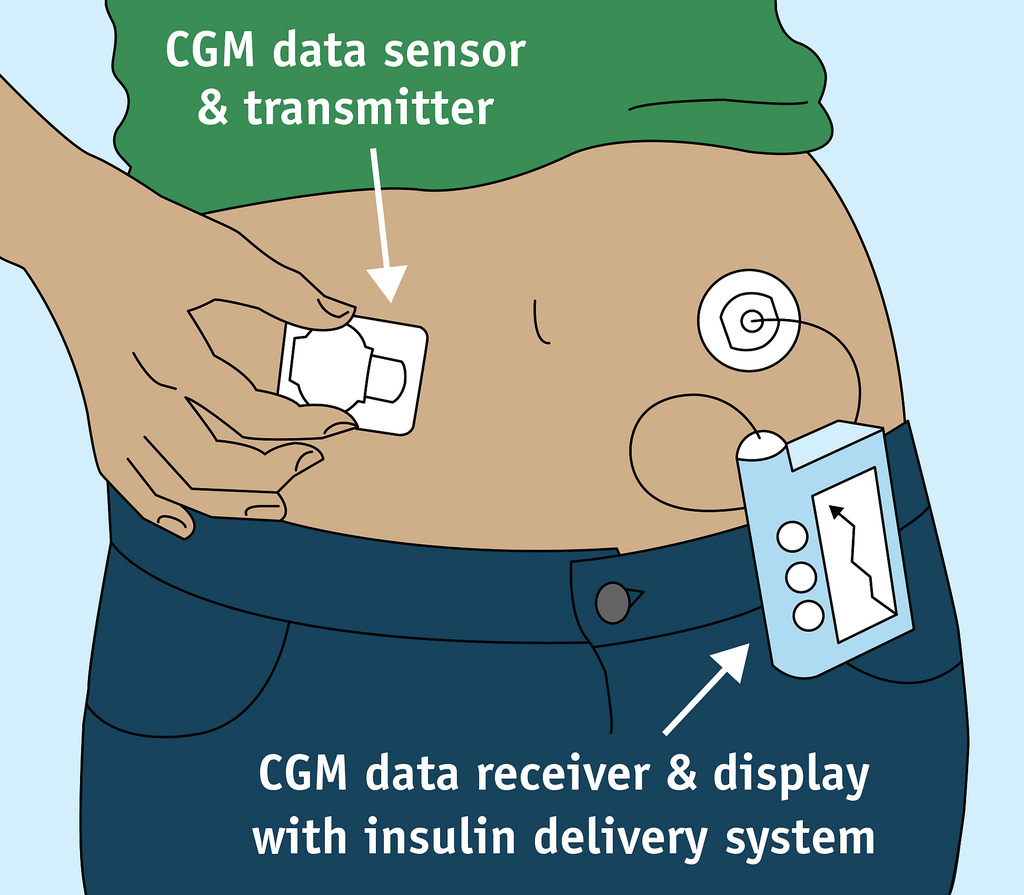
Additional Insulin Is Required in Both the Early and Late Postprandial Periods for Meals High in Protein and Fat: A Randomized TrialThe pattern and quantity of insulin required for high-protein high-fat (HPHF) meals is not well understood. This study aimed to determine the amount and delivery pattern of insulin required to maintain euglycemia for 5 hours after consuming a HPHF meal compared with a low-protein low-fat (LPLF) meal.