
Search
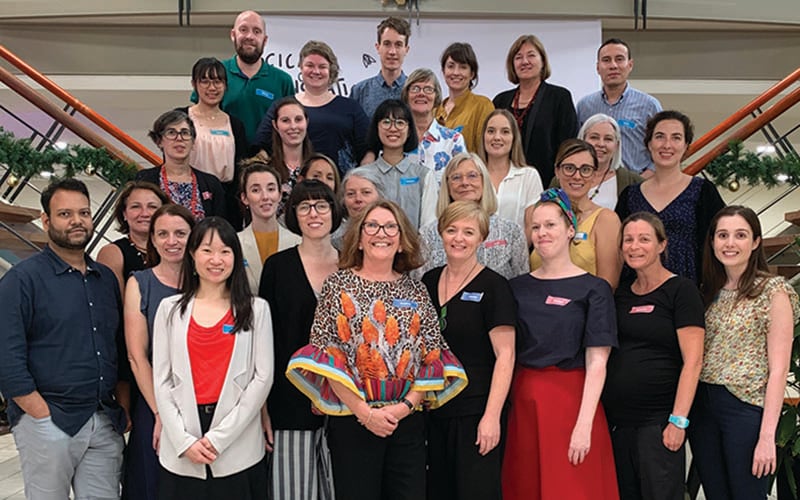
The FASD Research Australia Centre of Research Excellence (CRE) has substantially built the evidence base around FASD and had a significant impact on advocacy, policy and practice.
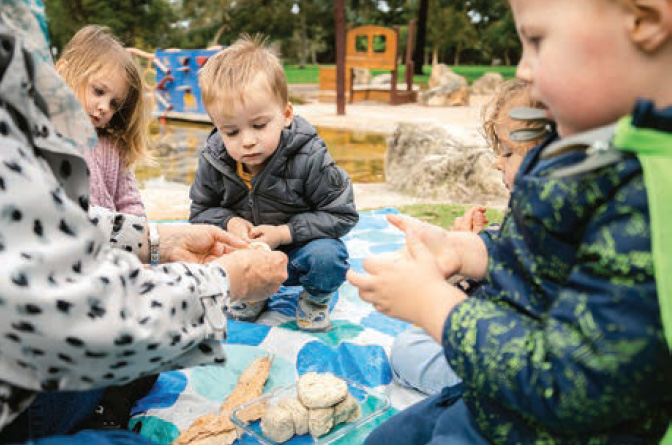
The ORIGINS Project is a decade-long longitudinal study of more than 18,000 individuals including mothers, partners and children, as part of a collaboration between The Kids Research Institute Australia and Joondalup Health Campus.
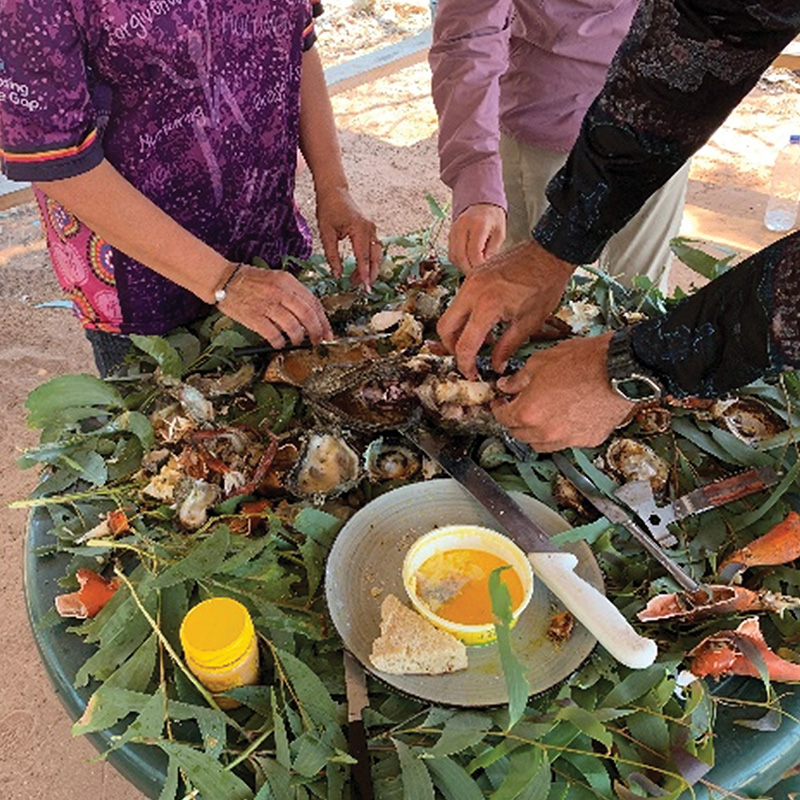
Researchers are collaborating with Community Elders to find out how bush tucker and traditional food can improve the health of Aboriginal children.
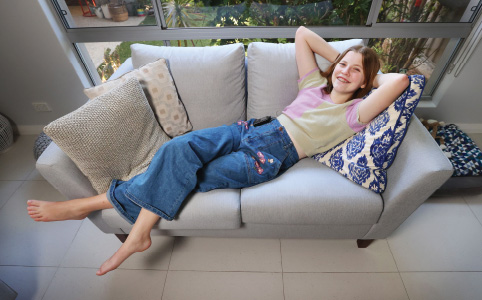
Lucia Wright is a happy, confident 16-year-old who loves her family, friends, drama, science and making the most of her newfound independence.
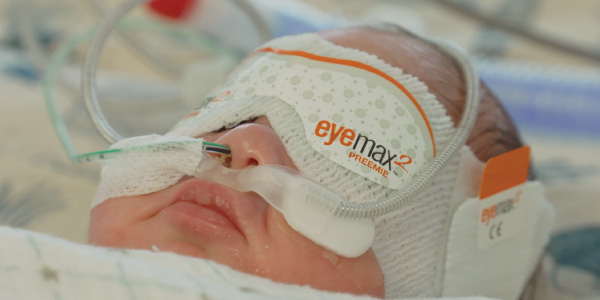
A simple set of eye masks and ear plugs – an inexpensive solution explored in a successful pilot study by The Kids Research Institute Australia, together with the Child and Adolescent Health Service – could hold the key to better outcomes for our tiniest bubs. Now, a nationwide clinical trial is testing the idea
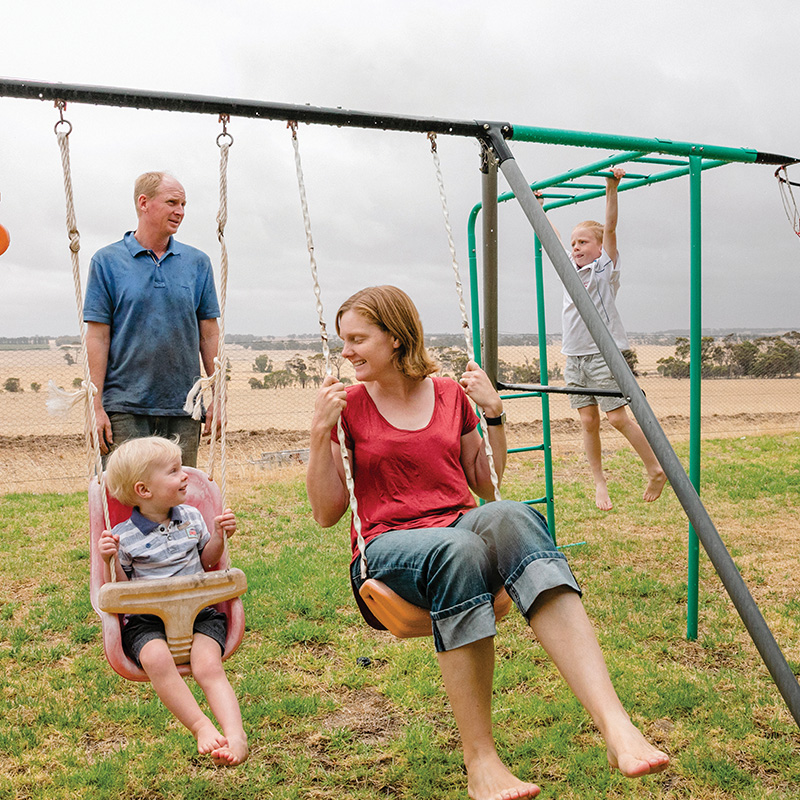
Communities in the Central Great Southern region have known for years that dental health is a major issue for the smallest residents of their towns.

The Walkern Katatdjin (Rainbow Knowledge) project has produced a suite of resources to help services become more inclusive.
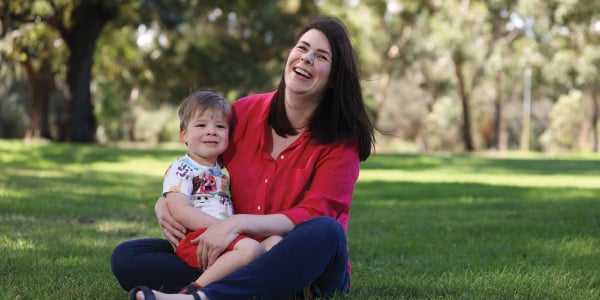
Amy Bertinshaw had a choice between ‘wait and see’ or seek help when she noticed her son Stirling was slower to meet developmental milestones at age 12 months.
Engaging the community in COVID-19 rapid research
The aim of RESP-ACT is to reduce these children’s respiratory hospital admissions and visits to Emergency Department, and to help them and their families to have as the best possible quality of life.