
Search
Our skin, the body’s largest organ, protects us and maintains overall health. Untreated recurring skin infections like impetigo and scabies severely impact children. The Kids is at the forefront of combatting skin infections, particularly within remote Aboriginal communities experiencing some of the world’s highest rates.

In 2006, when a Japanese scientist building on the earlier work of a British biologist discovered a way to reprogram adult cells into other cell types – making them ‘pluripotent’ – the scientific world was entranced.

A small group program to help parents tackle anxiety in young children diagnosed with autism has found significant improvements in both children’s anxiety and parental mental health and wellbeing.

When author Maurice Sendak first sketched out the story of a rambunctious little boy sent to his room without supper, there’s no way he could have known his rollercoaster tale of childhood imagination would still be speaking to the hearts of wild young things more than six decades on.
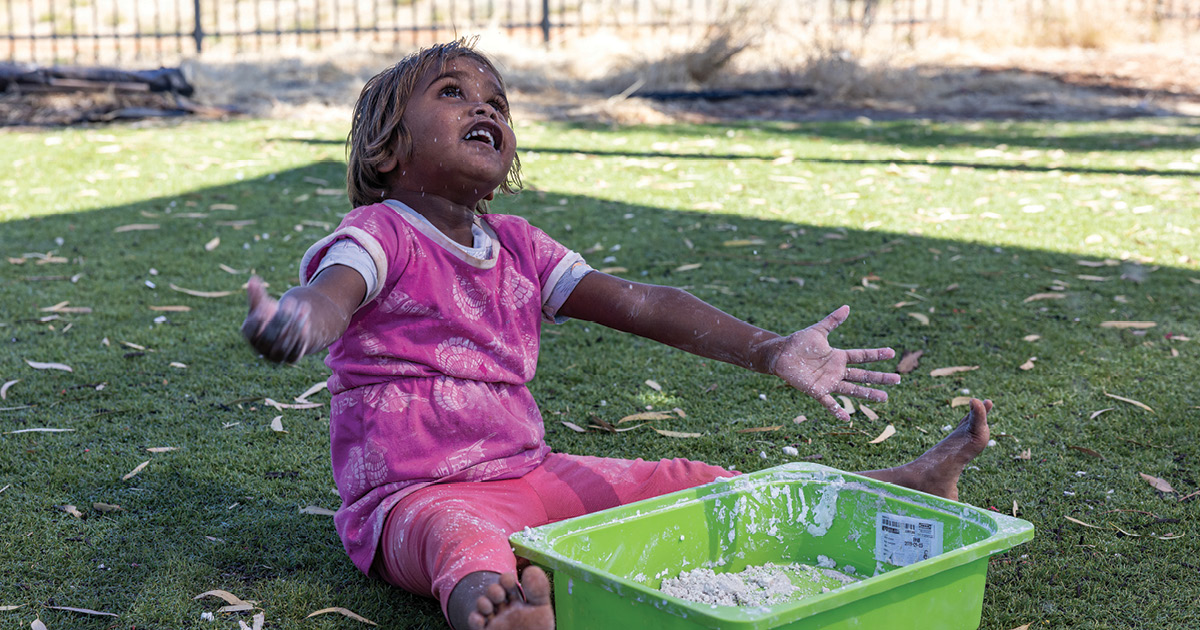
A unique initiative is combining research, action and advocacy to deliver evidence- based improvements to the health and wellbeing of Aboriginal families in Perth and Western Australia’s north west.

Three hundred and fifty million people live with an undiagnosed disease worldwide and three quarters of them are children.
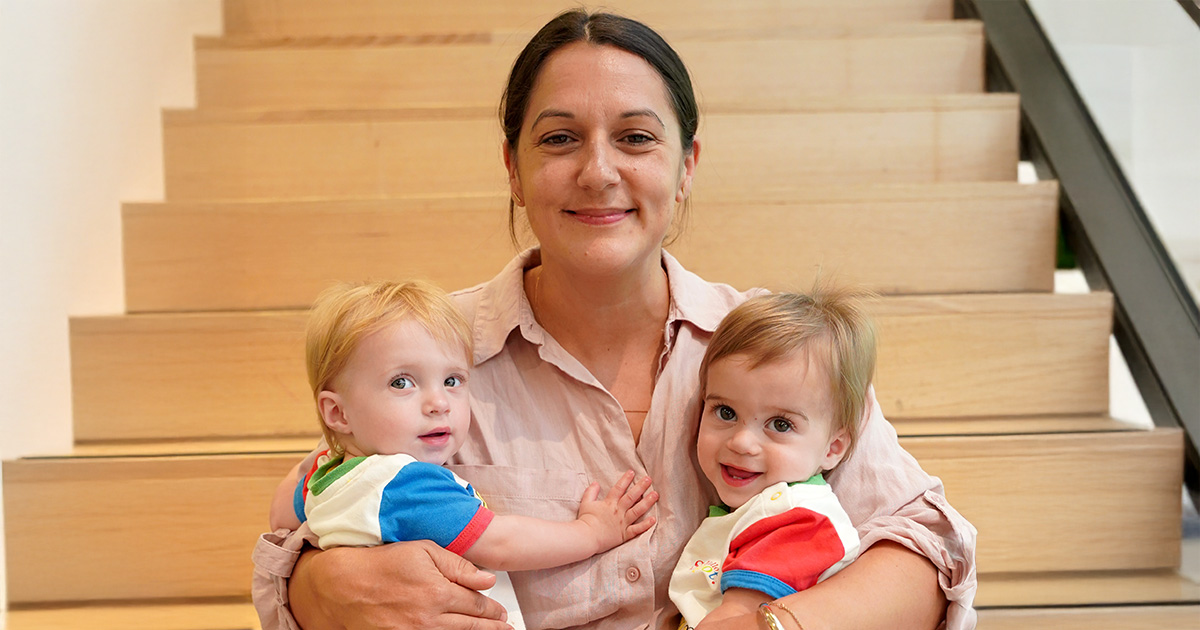
An Australian-first study, funded by Perth Children's Hospital Foundation, demonstrating the effectiveness of a new immunisation against respiratory syncytial virus (RSV) for babies found it to be almost 90 per cent effective in reducing hospitalisation rates.
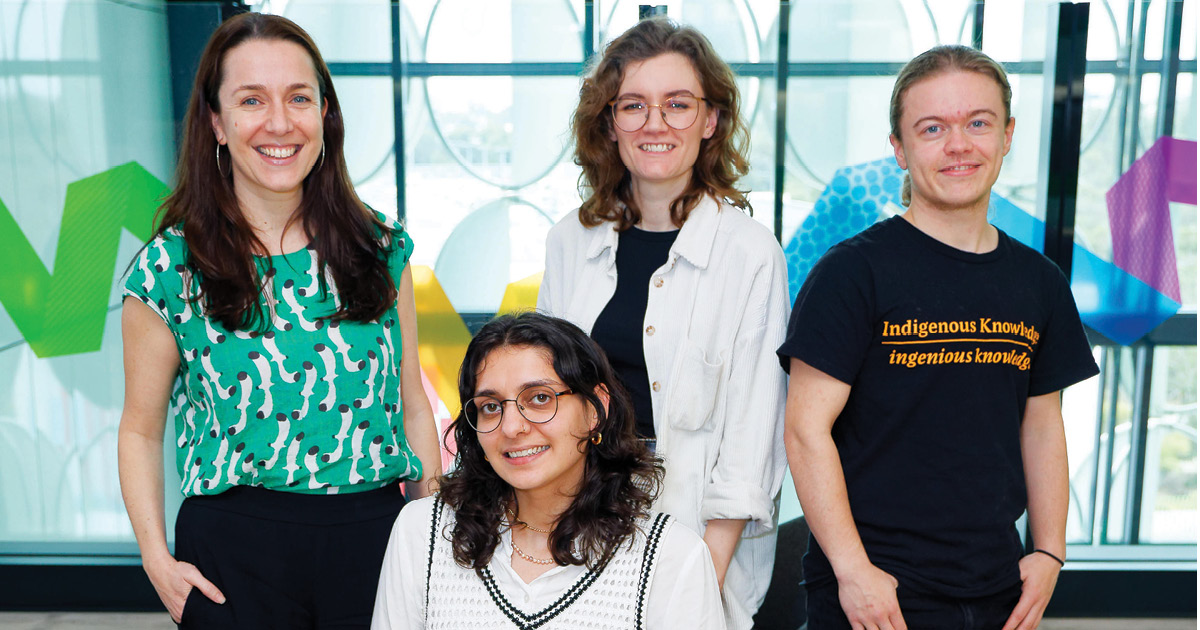
Alarming statistics laying bare the social emotional wellbeing and mental health challenges facing Aboriginal and Torres Strait Islander LGBTQA+ youth are driving a multi-partner program to provide them with greater support.
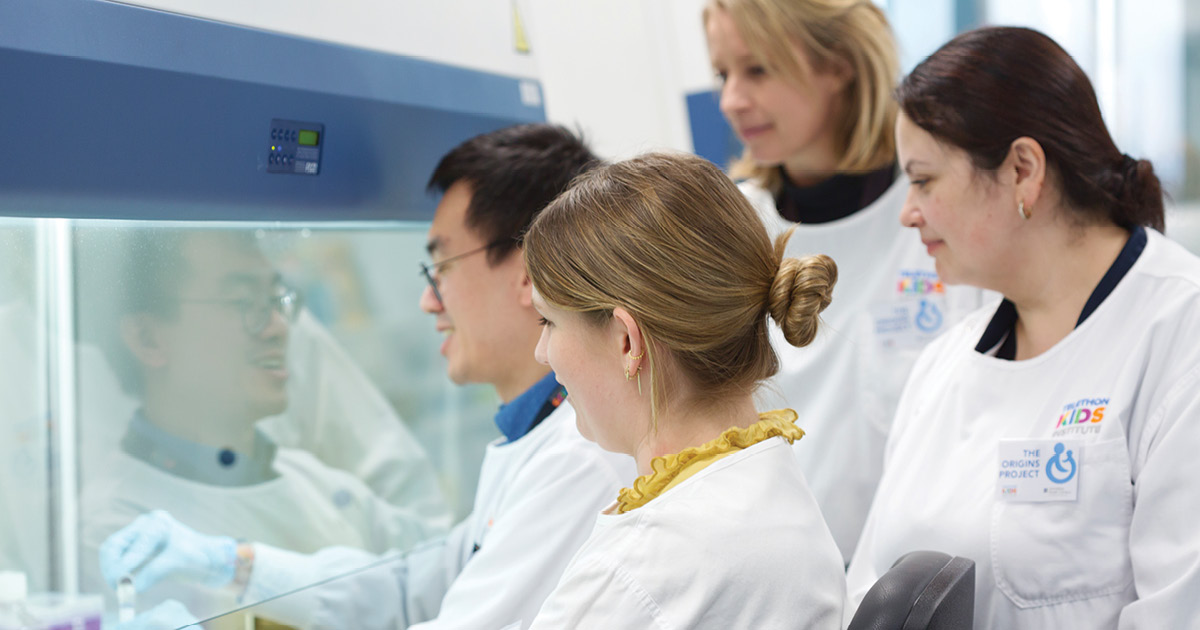
What if researchers could shop for different data to help uncover how, when and why chronic conditions such as asthma, obesity, allergies and poor mental health develop?
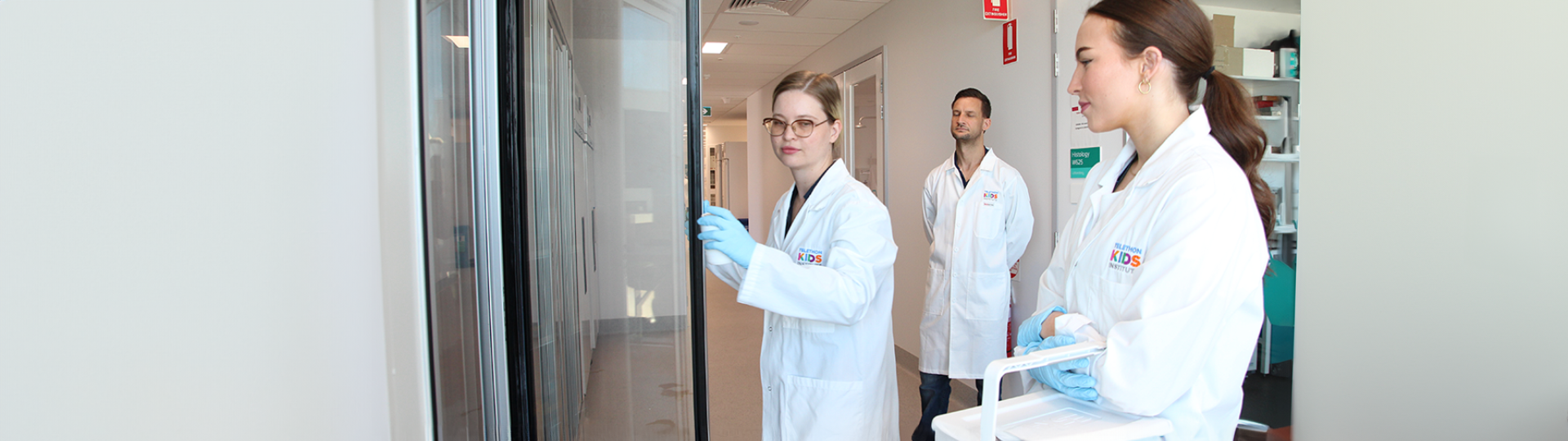
Within the Institute, we have a commitment to the highest standards of research with pro-active staff ensuring the lab environment is safe and secure.