
Search
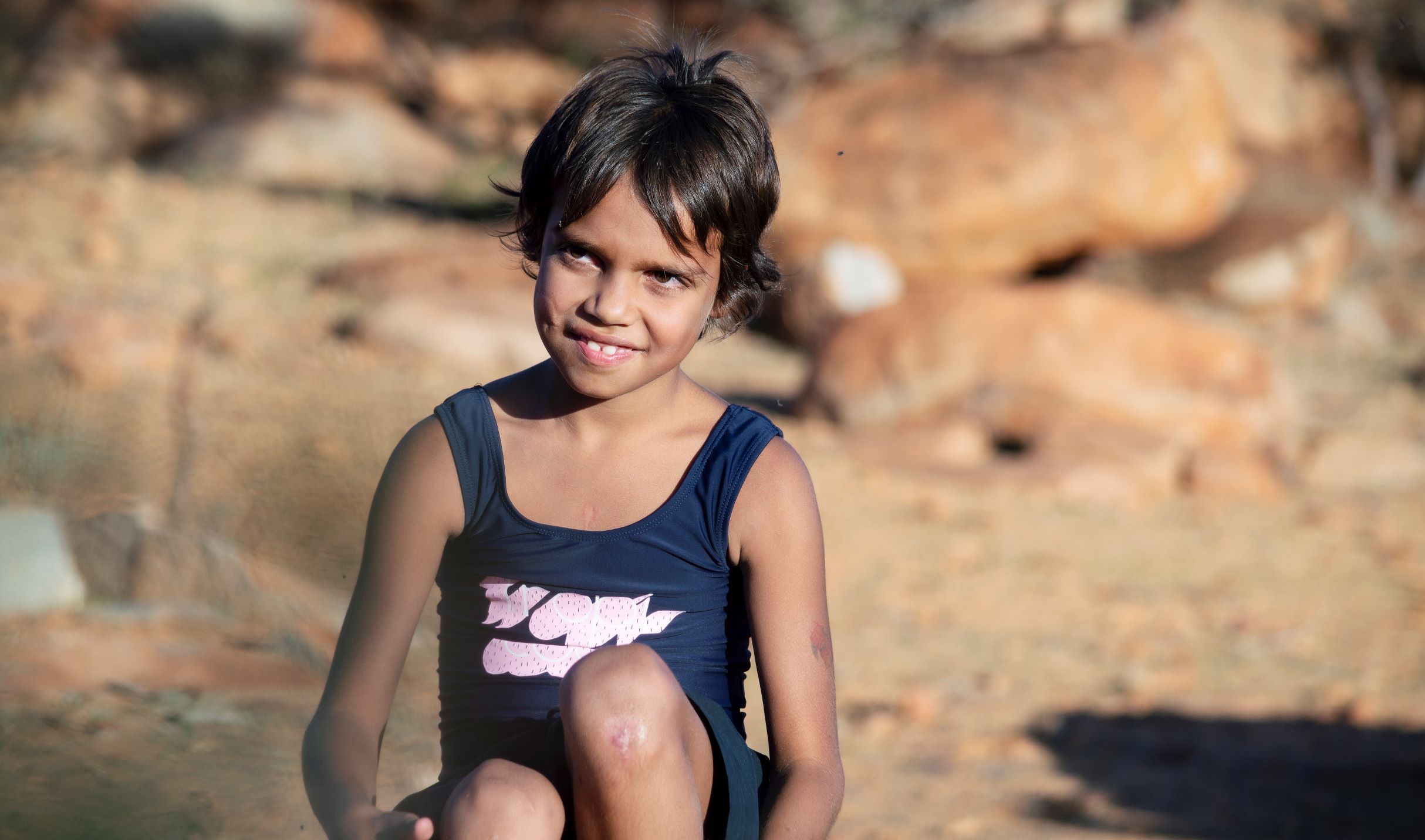
Five years of intensive collaboration between researchers, clinicians, Aboriginal Community Controlled Health Organisations, and government and non-government organisations have finally put the long-fought for goal of ending RHD within reach.
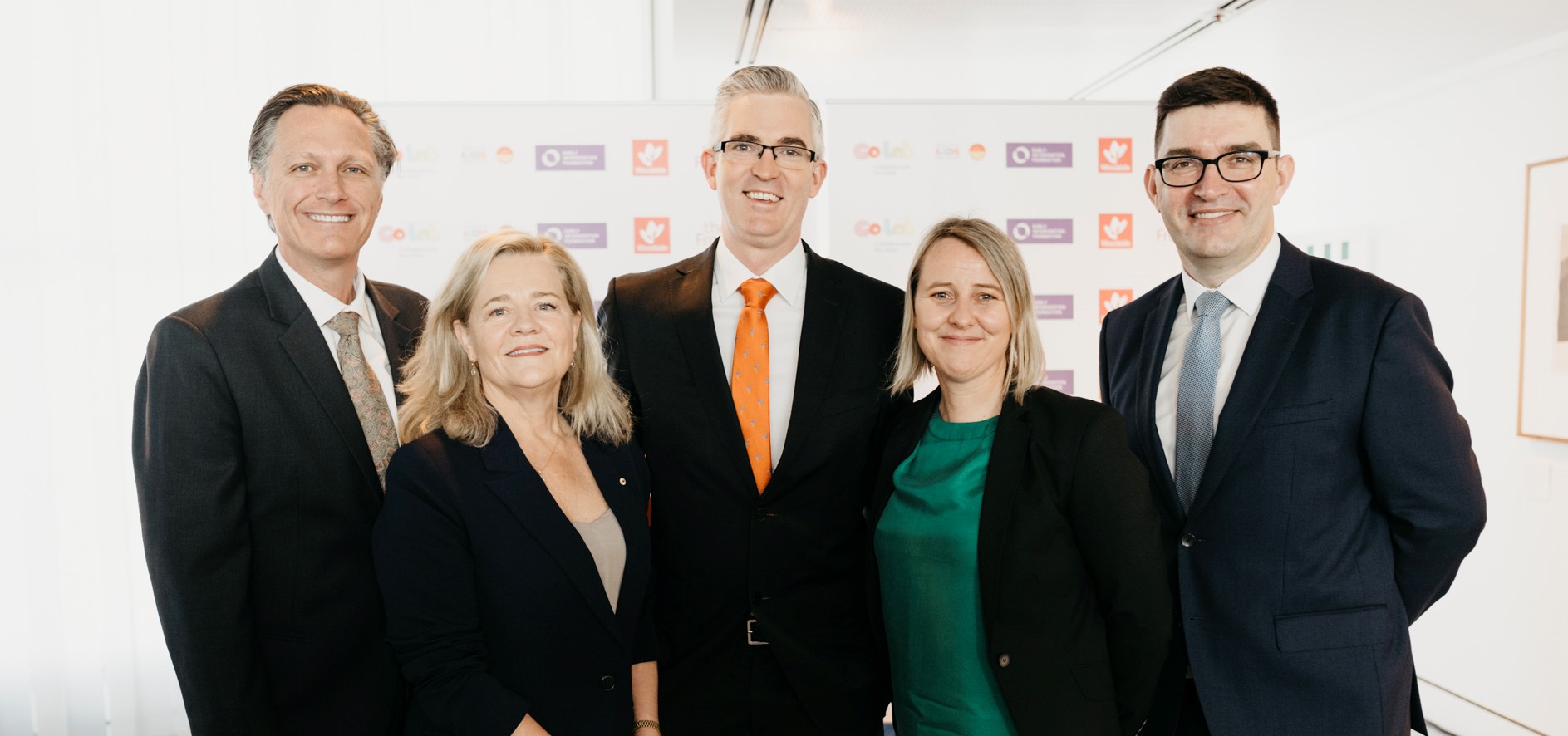
Leaders in the not-for-profit, research, philanthropy and business sectors have joined forces to shine a light on the human and economic benefits of early support for Australian children.
Middle ear infections are one of the main reasons that children visit a GP, are prescribed antibiotics and need surgery. Aboriginal children are particularly susceptible and commonly suffer from hearing loss which can affect speech and learning.
Streptococcus A is a bacterium often found in the throat and on the skin.
Language is one of the most remarkable developmental accomplishments of early childhood. Language connects us with others and is an essential tool for literacy, education, employment and lifelong learning.
Developmental Coordination Disorder is a lifelong disability impacting most aspects of daily living that involve movement. With an estimated prevalence of ~5% of children, the disorder affects an average of one to two children in every Australian classroom.
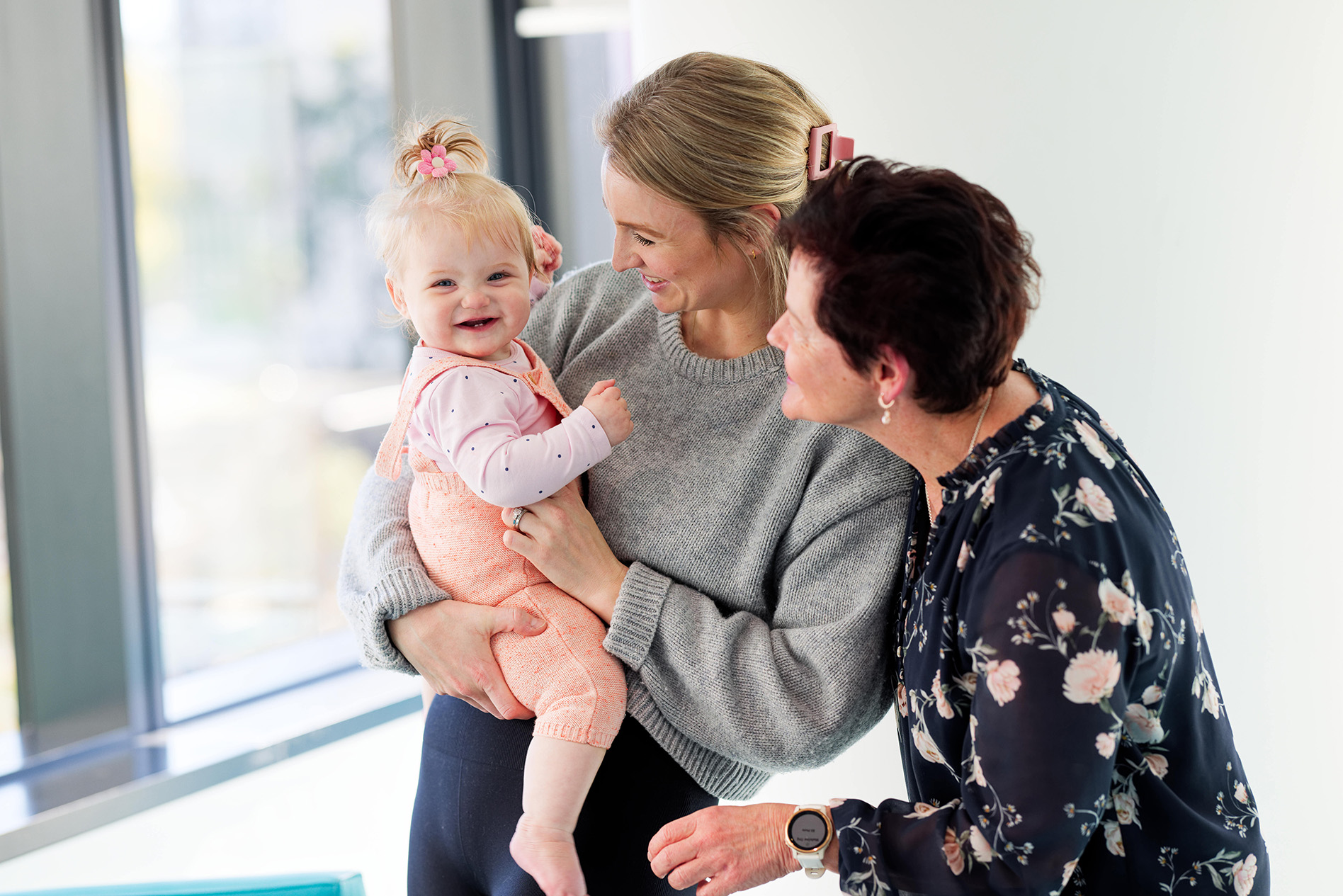
RSV hospitalises millions of babies worldwide every year: our research is helping to change that.
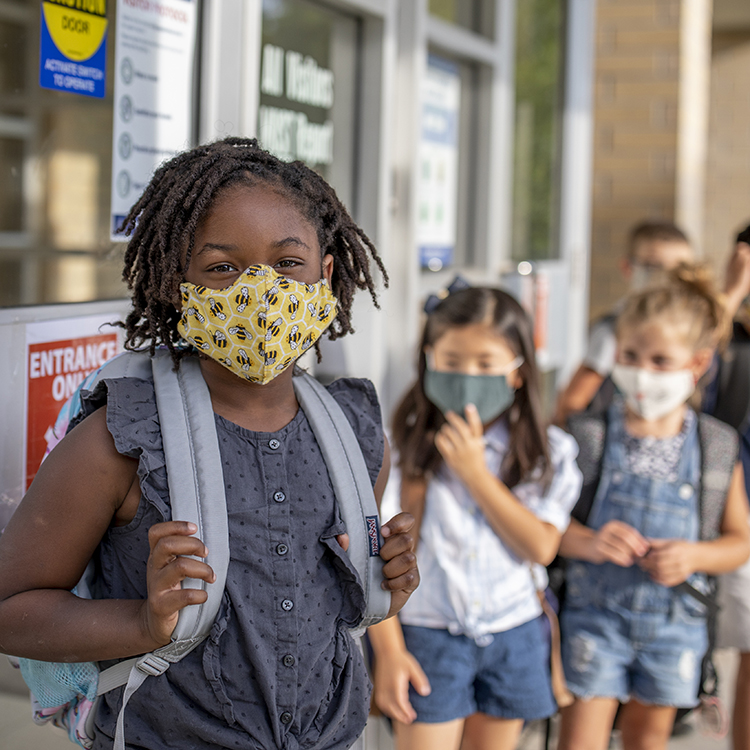
While COVID-19 is new and frightening, these resources are designed to help families tackle the challenges this virus has created for us.
Cancers in children are very different from cancers in adults - in most cases they appear to strike simply at random. They also develop differently and can spread more rapidly and aggressively. And because cancers in children are not obviously linked to their lifestyles, much work is needed to pinpoint their cause.
Characterised by varying degrees of difficulties in communication skills and social abilities, one in every 100 individuals will have a diagnosis of an autism spectrum condition. While autism is known to run in families, the exact causes remain unknown.