
Search
Occurring in 1% of school-aged children, Tourette syndrome is a neurodevelopmental disorder characterised by uncontrollable movements and vocalisations known as tics.
A severe neurodevelopmental disorder mostly affecting girls.

While individual diseases are rare, as a group, rare diseases are common. Recent estimates suggest that between 3% and 6% of the world’s population are affected by rare disease.
Immunisation is the most effective way of protecting your child against a range of serious illnesses, including measles, hepatitis B and whooping cough. All vaccines used in Australia undergo stringent testing and ongoing monitoring.

Whooping cough (pertussis) is a highly contagious respiratory infection which causes a severe cough and can be particularly dangerous to babies under a year old. Vaccination is the best way to reduce the risk of whooping cough.
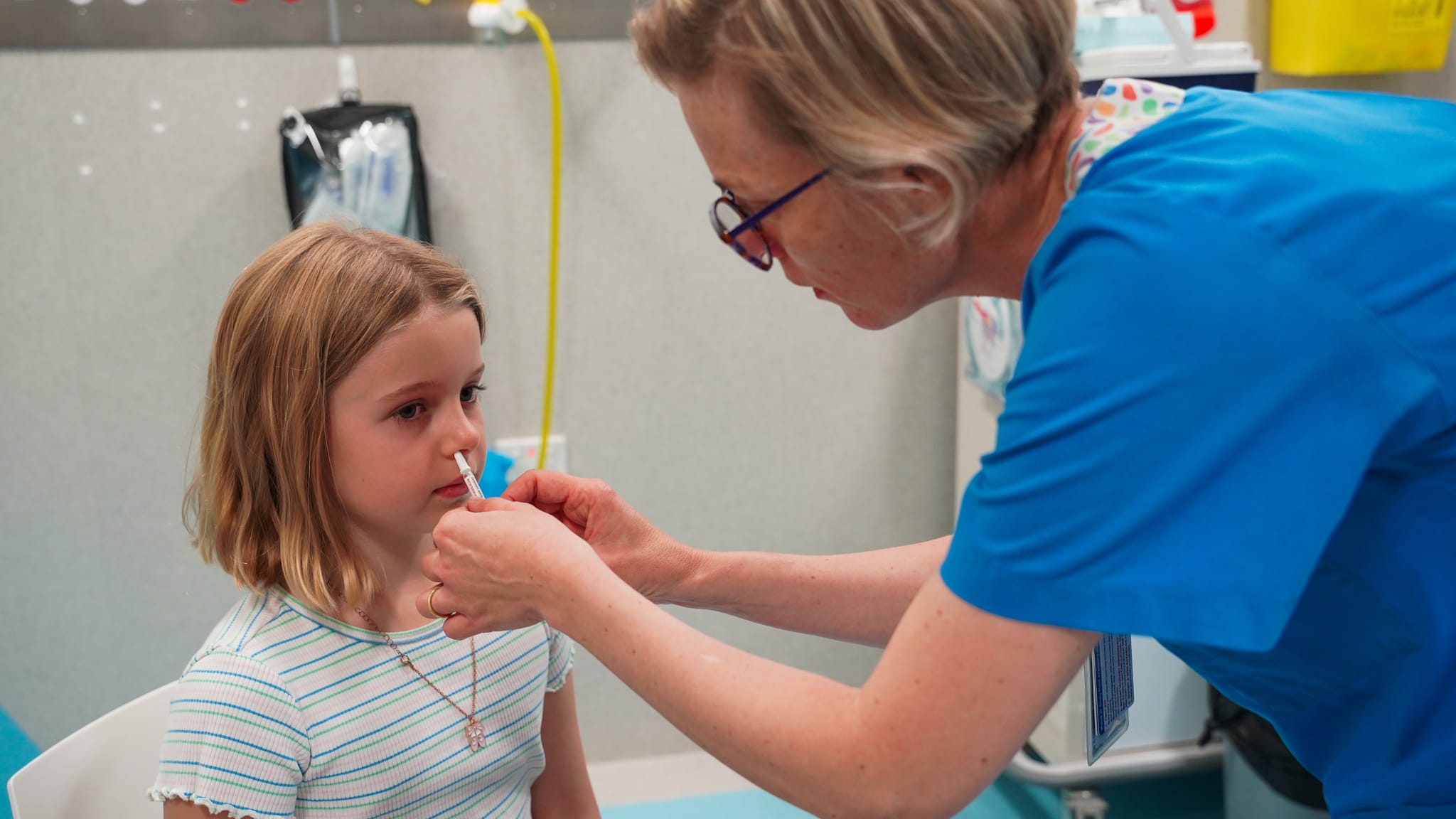
Influenza (commonly known as the flu) is caused by a highly contagious virus spread mainly through coughing and sneezing. An annual flu vaccination is the most effective way to prevent flu outbreaks.
The science that interprets the way nutrients and other substances in food affect maintenance, growth, reproduction, health and disease.
The importance of play for a child’s development is irrefutable. Playgroups provide a safe environment for children of similar ages to play and develop prior to starting school.
Every child deserves the best possible start in life. Evidence demonstrates the period from pre-birth to three years is a vital period of development. It lays the foundations for a child’s future and has life-long impacts on health, education, job opportunities, social inclusion and wellbeing.
According to the Young Minds Matter study, mental health disorders such as anxiety and depression are experienced by approximately one in seven or 560,000 young people in Australia. These disorders can often have a significant impact on children’s learning and development and on family life.