
Search
Convenient, readily available and helping create a close and loving bond between baby and mother, breastfeeding is highly regarded for optimising infant health and preventing chronic disease in adulthood.
Fetal Alcohol Spectrum Disorder (FASD) is a lifelong condition characterised by severe neurodevelopmental impairment due to prenatal exposure to alcohol.

Measles is a highly contagious infectious disease that can cause severe, long-term complications in children.
Down syndrome, also known as Trisomy 21, is one of the most common chromosome abnormalities in humans. It occurs when a child's cells end up with 47 chromosomes instead of the usual 46. Down syndrome causes intellectual disability and other physical and learning challenges.
Anaphylaxis is rapid onset severe allergic reaction to an allergen. These allergens are most commonly food, insects, or medication. Anaphylactic reactions are serious and can be life-threatening.
Transgender is a term that includes people whose gender identity, gender expression, or behavior does not conform to conventional gender notions of male or female.

While COVID-19 is new and frightening, these resources are designed to help families tackle the challenges this virus has created for us.
Each day of school missed makes a difference, with the effect on learning accumulating over time. From an early age, if children are taught that they need to 'show up' for school and make a commitment, this positive mentality aids academic and career success and brings benefits in adulthood.
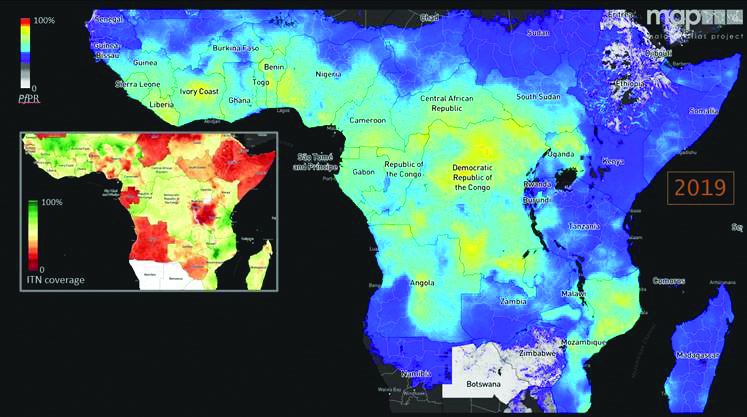
A global network of researchers led by Kerry M Stokes Chair of Child Health, Professor Pete Gething, is working to help support informed decision-making for malaria control at international, regional and national scales.
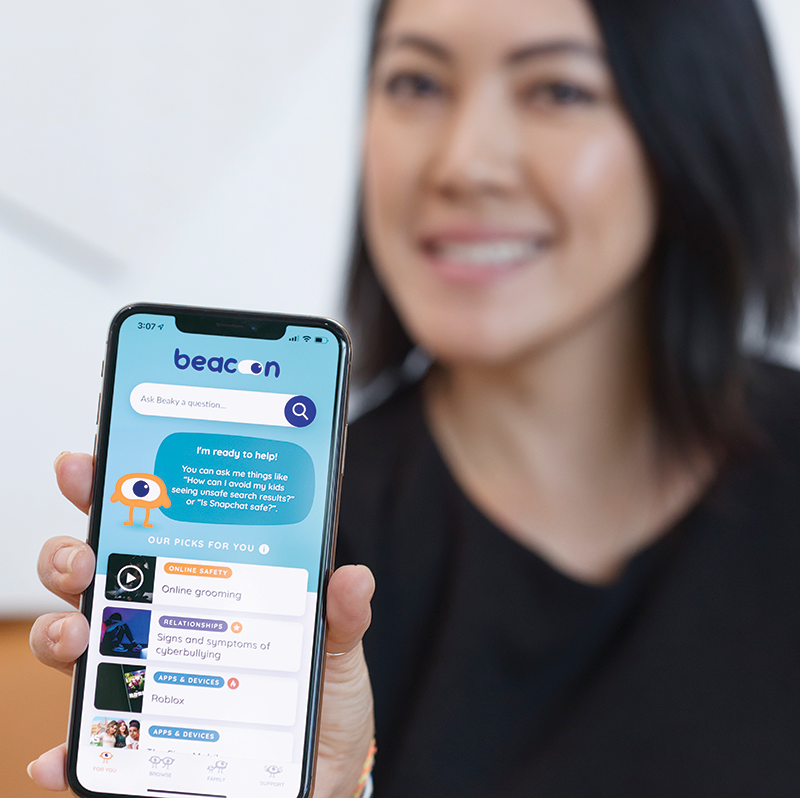
Parents, carers and educators have embraced an innovative tool in the battle to keep kids safe online - Beacon, an Australia-first, evidence-based cyber safety app.