
Search
Determine if exercise interventions, beyond what is already provided to children and preschool children, improve bone health and reduce fracture incidence.
Food allergies have become more common in our community, with up to one in ten young children now affected. Reactions can range from mild hives to life threatening anaphylaxis and breathing difficulties. The most common food allergies are to egg, peanut, tree nuts, cow’s milk, fish, shellfish, sesame, wheat and soy.

Thanks to 30 years of support from the WA community, The Kids Research Institute Australia is home to some of the world’s best researchers.
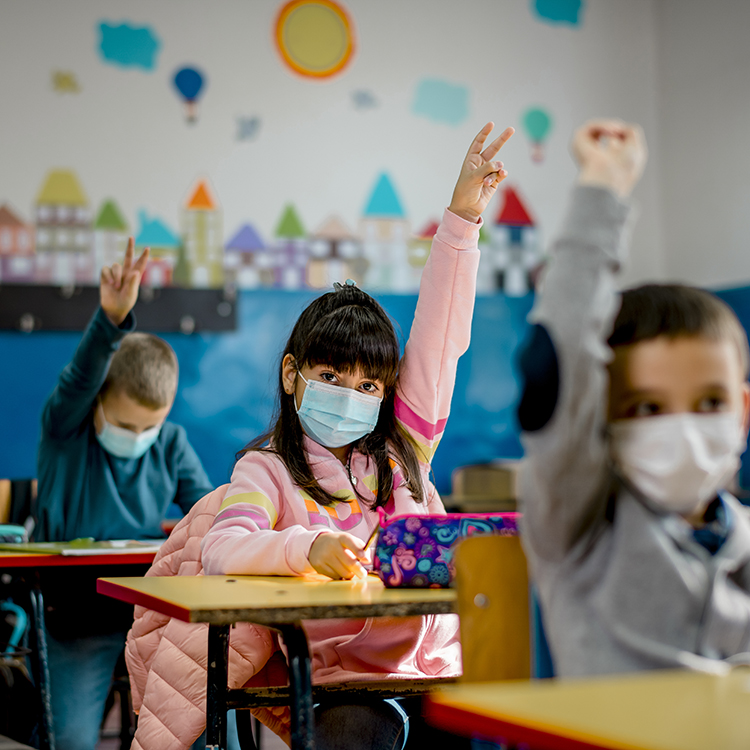
With the number of COVID-19 infections in Western Australia continuing to grow – including confirmed cases in children – The Kids Research Institute Australia understands that our community is growing increasingly worried.
The Kids Research Institute Australia answers all of your questions about vaccines and children

Research that maps and tracks.
Research save lives and contains the spread of COVID-19.
Cyberbullying is a form of online harassment, where the bullying is carried out through the use of modern technology.
Melanoma, also known as malignant melanoma, occurs when abnormal skin cells multiply rapidly in an uncontrolled way.
Brain tumours are the second most common cancer in children (after leukaemia).