
Search

While individual diseases are rare, as a group, rare diseases are common. Recent estimates suggest that between 3% and 6% of the world’s population are affected by rare disease.
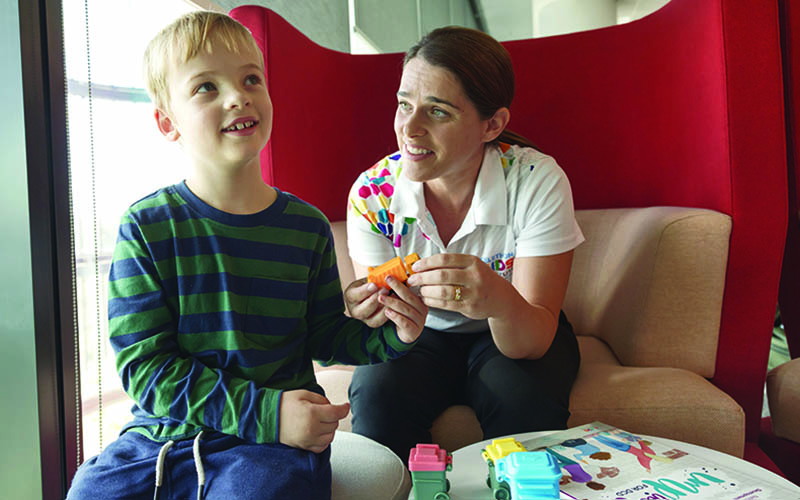
Meet Toby - he has developmental coordination disorder (DCD), a neurodevelopmental condition that causes delays and impairments in fine and gross motor skills.
Developmental Coordination Disorder (DCD) is an under-recognized and often trivialized neurodevelopmental condition impacting five to six percent of children. This study aimed to map the impact of DCD on children and their families in Belgium.

Impact for Tourette's, the first survey of its kind in Australia provides comprehensive national data on the daily challenges faced by children and adults living with tic-related disorders like Tourette syndrome
Impact for Tourette’s is Australia’s first national project evaluating the unmet needs of people with Tourette syndrome and other tic conditions.
Andrew Kandice Matt Melissa Videos Whitehouse Watch and listen to Andrew Varcin Cooper Licari PhD M.Psych (Clinical), PhD BCA Marketing, BSc
Melissa Gail Matt Jenny Andrew Videos Licari Alvares Cooper Downs Whitehouse Watch and listen to Andrew PhD PhD BCA Marketing, BSc Statistics and
Early motor impairments have been reported in children with neurodevelopmental disorders (NDD), but it is not clear if early detection of motor impairments can identify children at risk for NDD or how early such impairments might be detected. Our aim was to characterize early motor function in children later diagnosed with NDD relative to typically developing children or normative data.
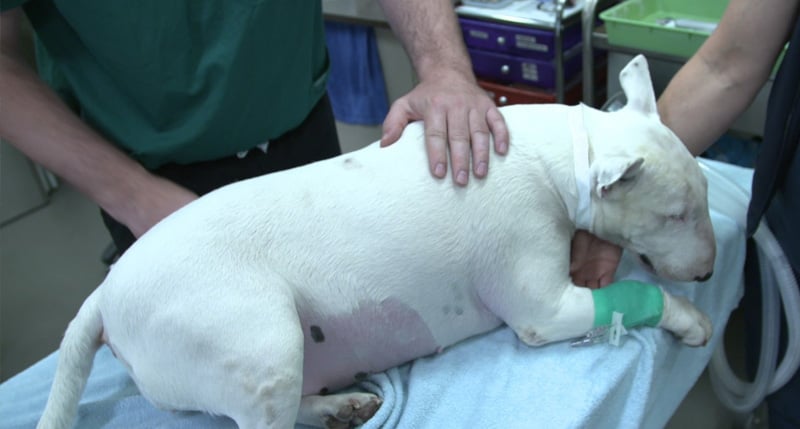
The Kids Research Institute Australia is leading a unique clinical trial in pet dogs that could pave the way for a new immunotherapy treatment for one of the most common childhood cancers, Sarcoma.
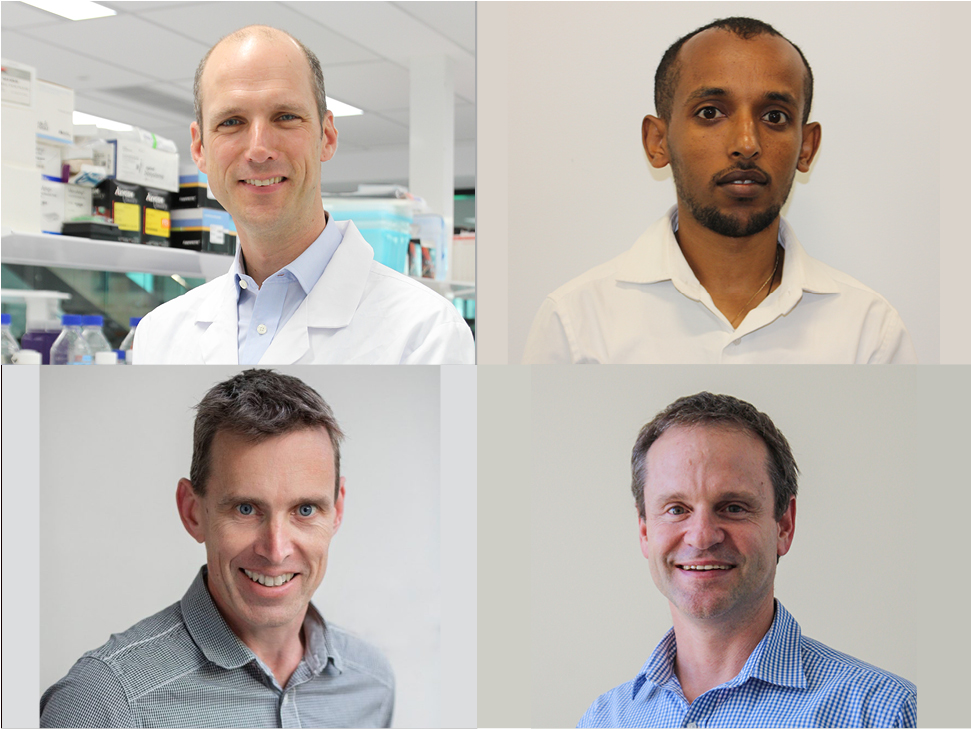
Researchers at The Kids Research Institute Australia have been awarded $4.6 million in national funding from the National Health and Medical Research Council (NHMRC) and Medical Research Future Fund (MRFF) to help support child health research.