
Search
We unite experts and communities to improve child health through research that has impact, using animals only when no other methods are suitable. We are also a signatory to the ANZCCART Animals in Research Openness Agreement.
This resource kit for Aboriginal health workers is an exciting milestone in the Rio Tinto Aboriginal Health partnership with The Kids Research Institute Australia
ACCARE provides high level advice to the Institute's Director around strategic directions and operational elements relating to Aboriginal health research
Our maps provide visual insight into how the number and rate of Indigenous suicides can vary across the different regions of Australia.
As part of the discussions with Kimberley Aboriginal Medical Service (KAMS) to establish the Broome site of the WAAHKN it has been agreed to establish...
In 2006, when a Japanese scientist building on the earlier work of a British biologist discovered a way to reprogram adult cells into other cell types – making them ‘pluripotent’ – the scientific world was entranced.
Aboriginal families and communities have endured the imposition of countless ‘solutions’ and had to live with the consequences of these ineffective initiatives. Those consequence are sadly evident in the unrelenting gap in outcomes for Aboriginal kids, compared with other Australian children.
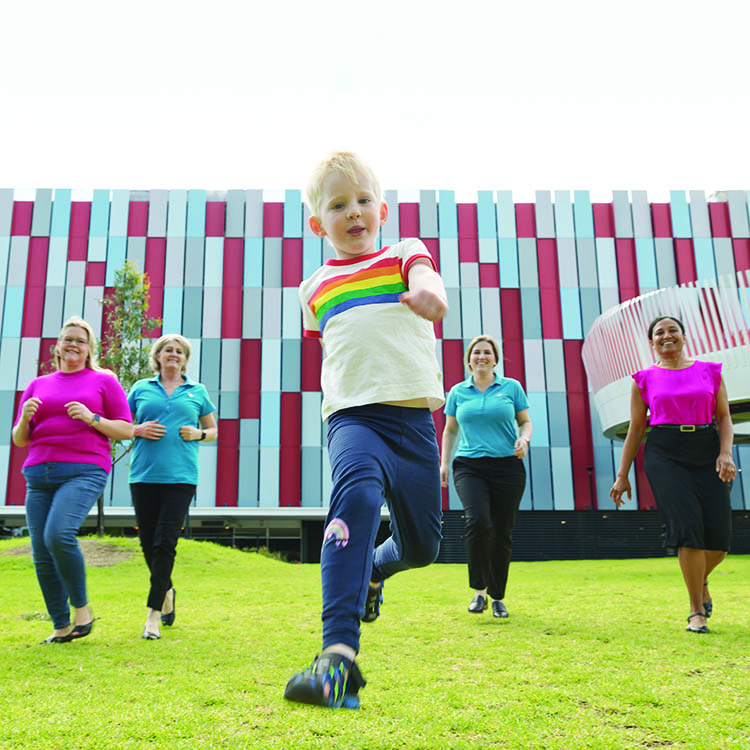
A world-first study led by Dr Aveni Haynes at The Kids’ Rio Tinto Children’s Diabetes Centre, is helping to detect early changes in blood sugar levels.
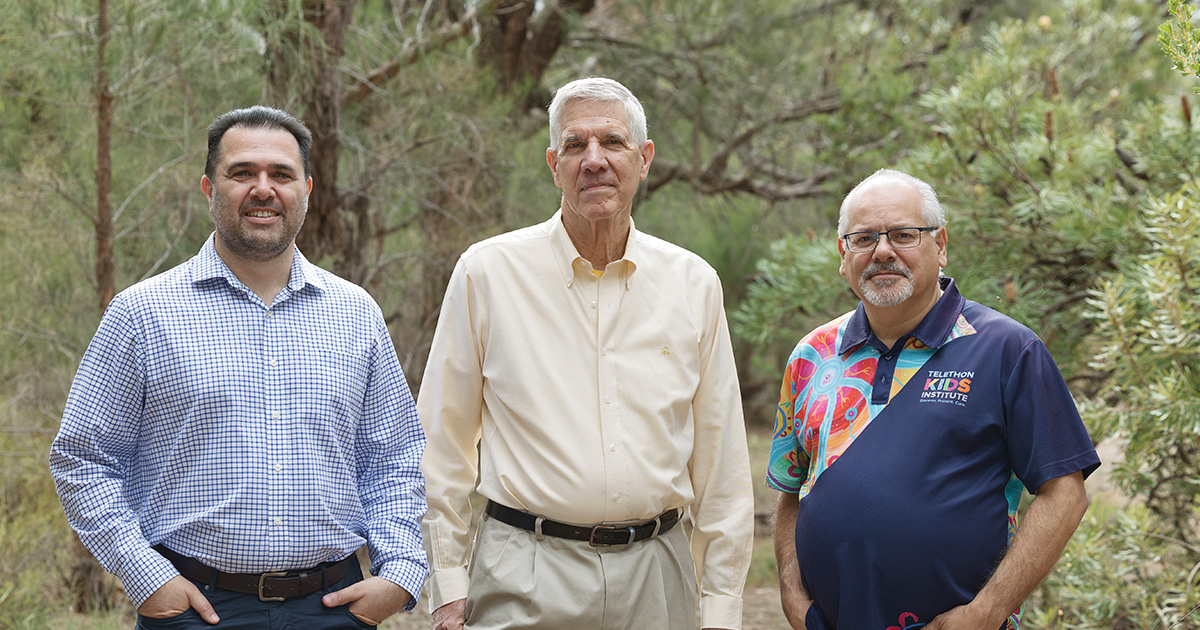
In 1998, The Kids Research Institute Australia embarked on one of the most ambitious population health projects in Western Australian history.
The following maps highlight the Indigenous suicide rate trends over time (from 2001 to 2012) in different regions of Australia.