
Search
The Kids Research Institute Australia has welcomed the announcement of a new National Agreement on Closing the Gap.
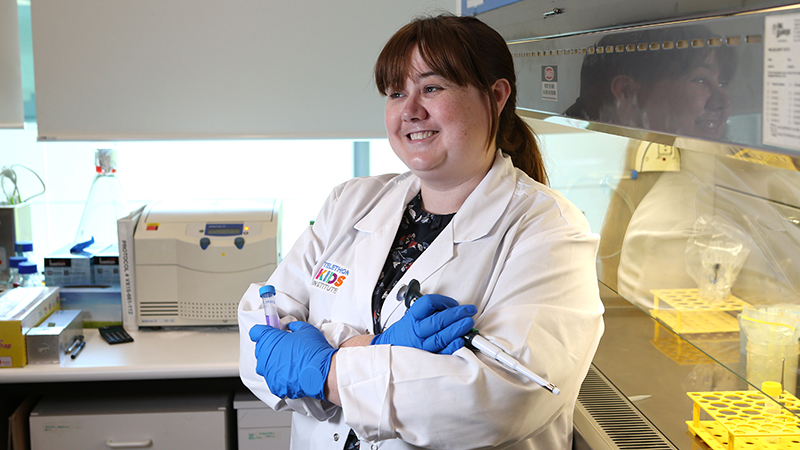
New research by The Kids shows donor immune cells are highly effective at boosting the body’s response against leukaemia.
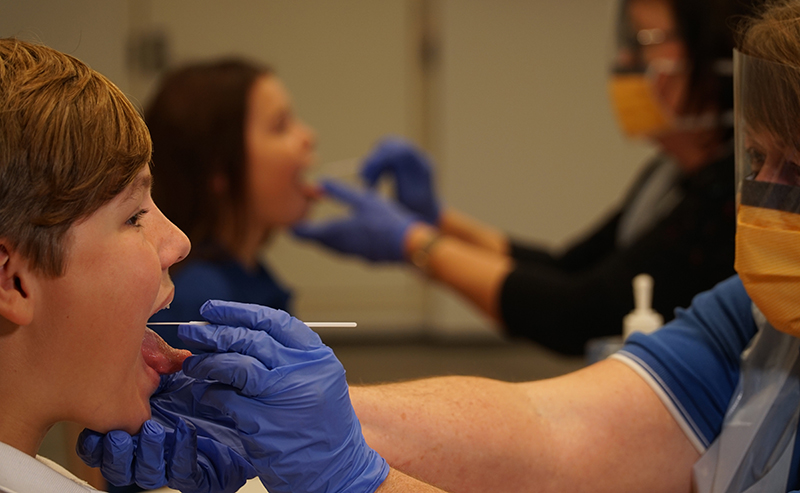
The DETECT Schools program is underway, with swabs taken at 13 of the participating schools across Western Australia. No asymptomatic COVID-19 has been detected to date.
The Kids Research Institute Australia researchers have collaborated with global experts to launch an online tool designed to assess the risk of contracting COVID-19 and provide advice to reduce transmission.

With COVID-19 restrictions starting to lift and families resuming some level of ‘normal life’, it is natural to have mixed feeling during this time, says The Kids mental health researcher.

The Kids Research Institute Australia welcomes the passing of the Western Australian Future Fund Amendment (Future Health Research and Innovation Fund) Bill in State Parliament today to support health and medical research and innovation in WA.
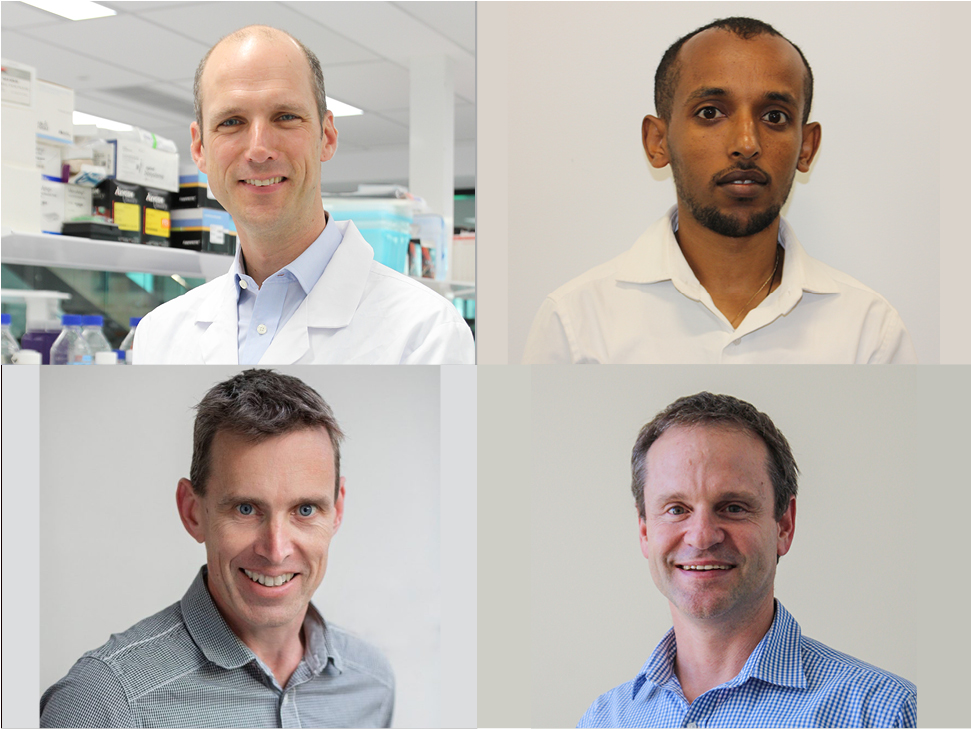
Researchers at The Kids Research Institute Australia have been awarded $4.6 million in national funding from the National Health and Medical Research Council (NHMRC) and Medical Research Future Fund (MRFF) to help support child health research.
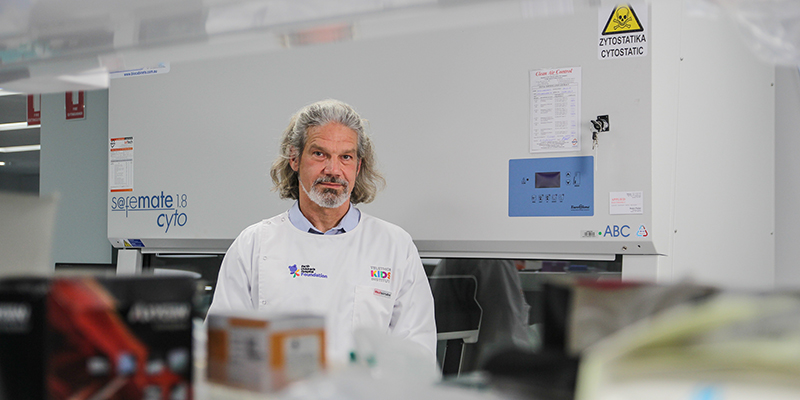
An international research collaboration, including The Kids Research Institute Australia infectious disease specialist Tobias Kollmann, has shown that the antiviral drug Interferon can speed up the recovery of COVID-19 patients.
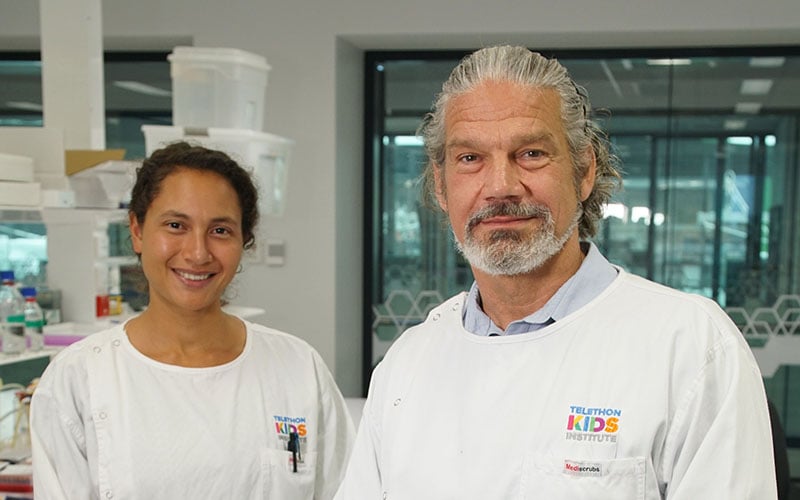
The Kids Research Institute Australia researchers working with a global team have identified the mechanism behind one of science’s most enduring mysteries.
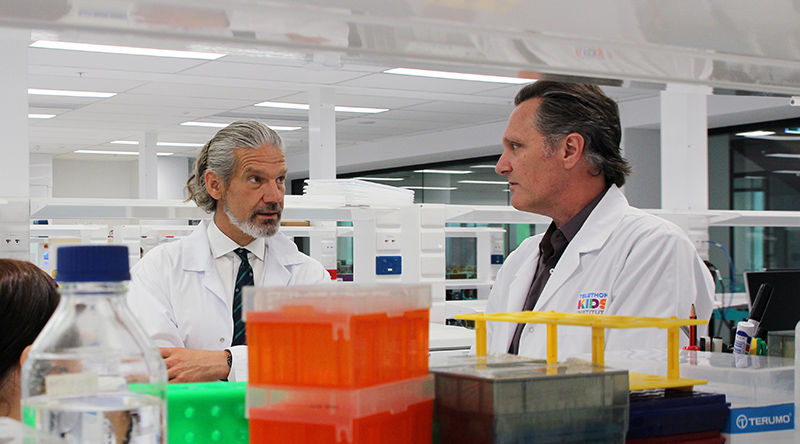
Researchers from The Kids Research Institute Australia will lead a world first trial to test the effectiveness of the drug interferon in stopping outbreaks of COVID-19 by reducing the infectiousness of people who contract the virus.