
Search
Commentaries on Viewpoint: Standards for quantitative assessment of lung structure. Instillation fixation and overinflation of the mouse lun
While it is known that the anti-inflammatory effects of interleukin (IL)-4 require new protein synthesis, the exact mechanisms by which IL-4 suppresses the prod
Scabies, a parasitic skin infestation by the burrowing "itch" mite Sarcoptes scabiei, causes significant health problems for children and adults worldwide.
Learn more about some of our inspiring First Nations researchers and staff members whose leadership, knowledge and lived experience are shaping how research is done at The Kids.
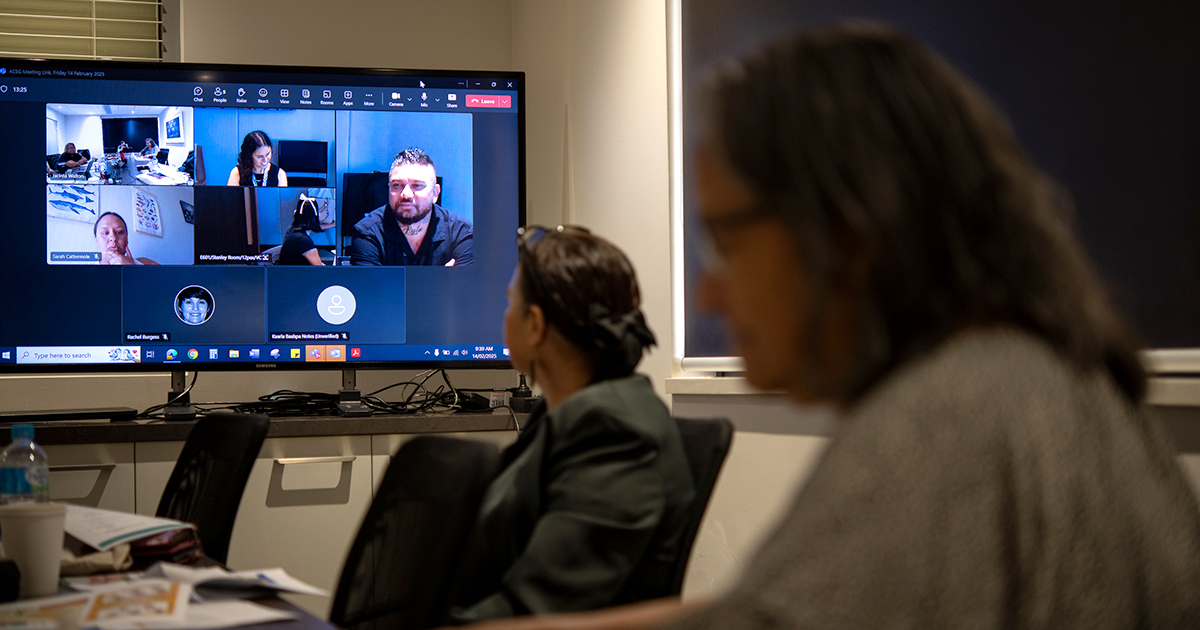
The Kids Research Institute Australia has been awarded its first Science in Australia Gender Equity (SAGE) Cygnet Award, recognising its progress in embedding flexible work practices that support equity and inclusion.
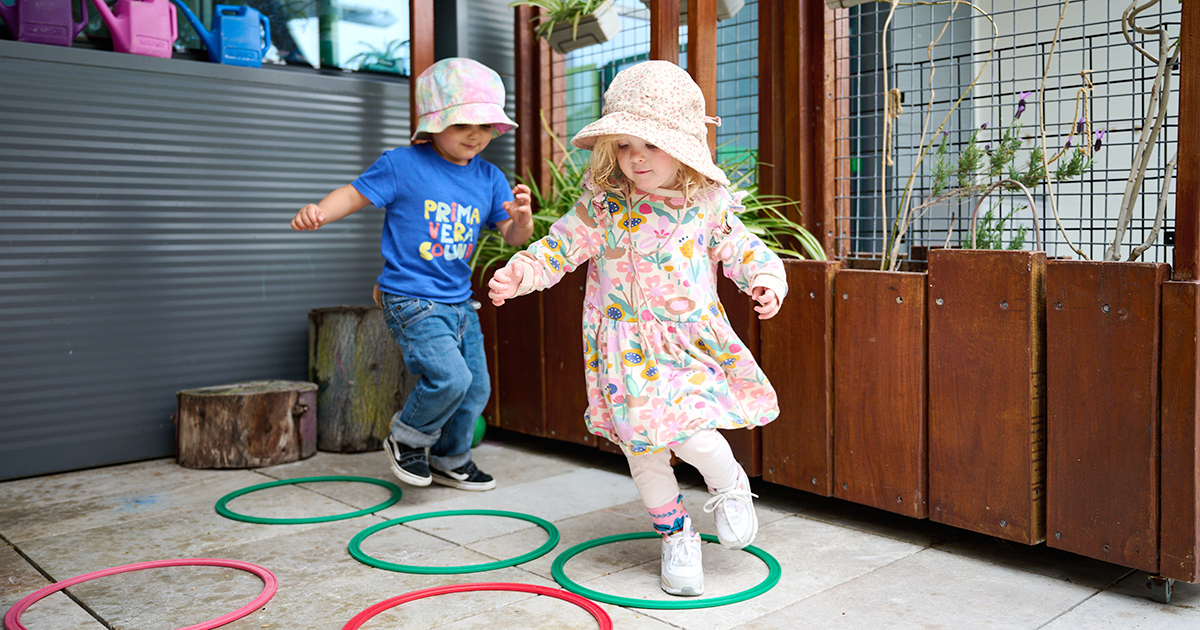
Did you know our research shows that less than 20 per cent of young Australian children get enough energetic play each day? Many children are spending more time sitting still or on screens, and not enough time moving, exploring and playing, which is fundamental to their healthy development.
Efforts to eliminate rheumatic heart disease (RHD) have been significantly strengthened, with a $1 million grant awarded through the Future Health Research and Innovation Fund (FHRI) Spotlight Program.
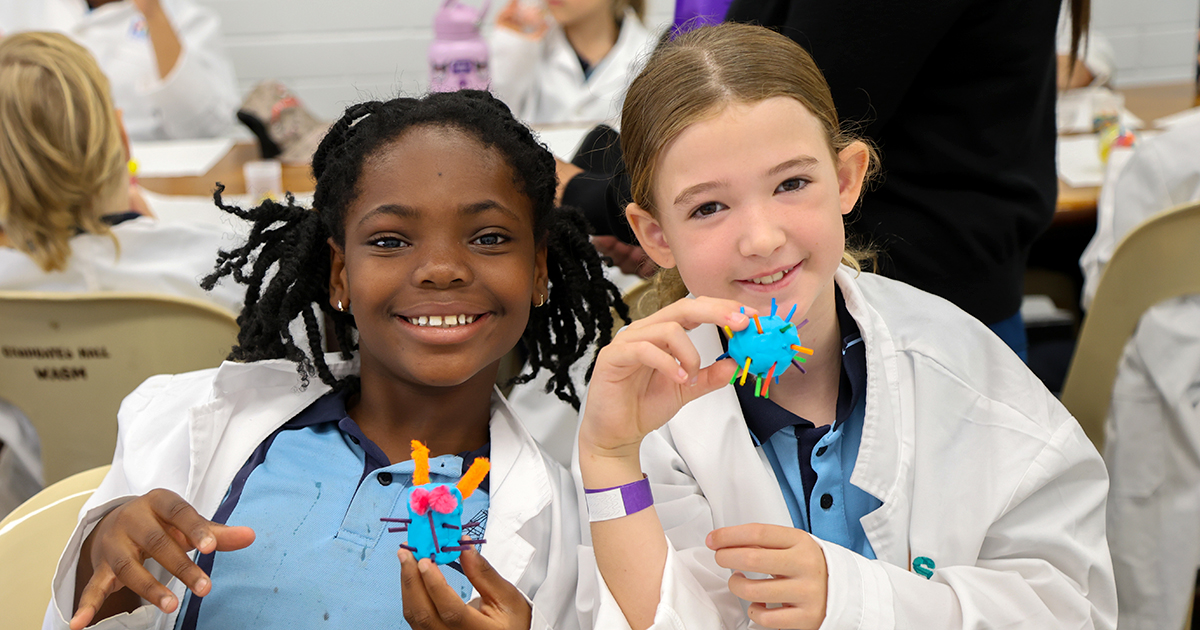
The Kids STEM Festival returned to Kalgoorlie for two incredible days of inspiring discovery on 20 and 21 May, and the impact was felt right across the community.
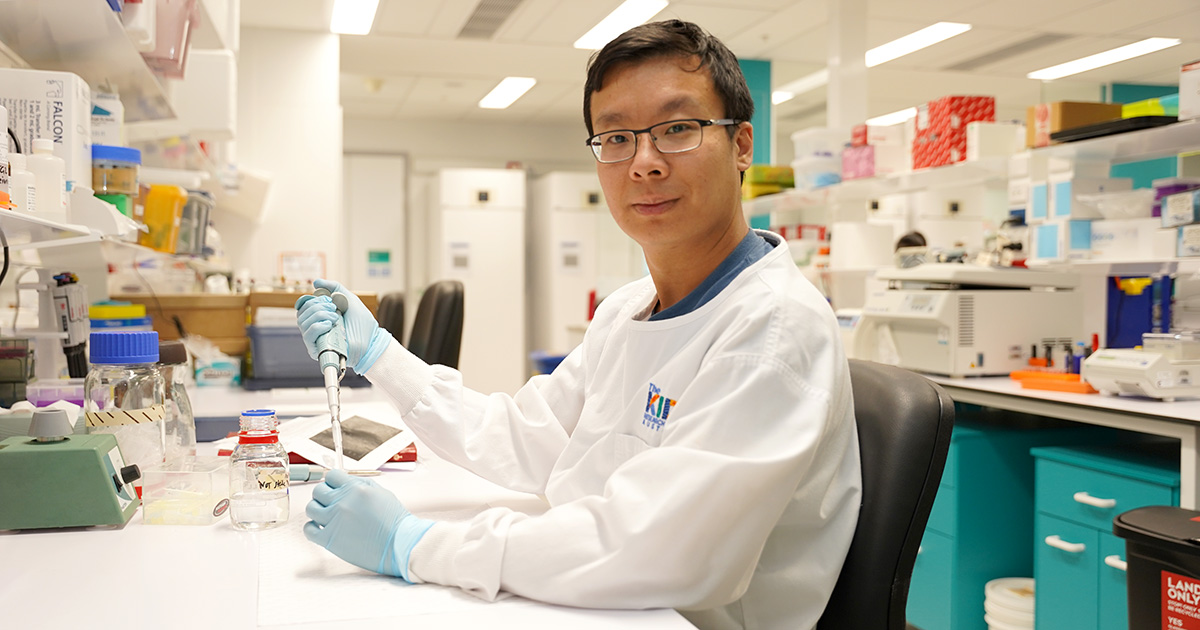
Preclinical research from the WA Comprehensive Kids Cancer Centre has revealed a promising new strategy to protect bone health in children with high-risk B-cell acute lymphoblastic leukaemia (B-ALL), showing that actively rebuilding bone may deliver faster and more effective protection against debilitating fractur

The Kids Research Institute Australia strongly endorses the updated framework, which reinforces the essential role consumers and communities play in shaping better research outcomes.