
Search
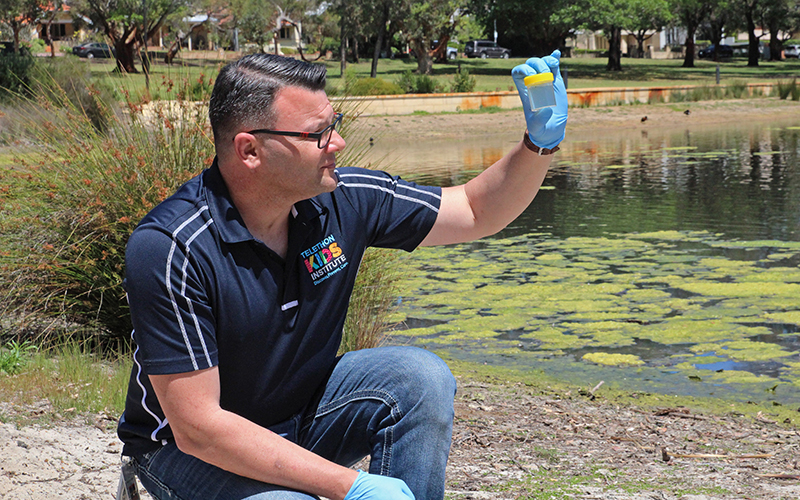
Perth researchers have discovered a predatory virus living in the city’s lakes and rivers that can fight antibiotic-resistant superbugs in children.
Parents of children born prematurely have expressed concerns about their child’s lung health when they exercise, with symptoms such as breathlessness.
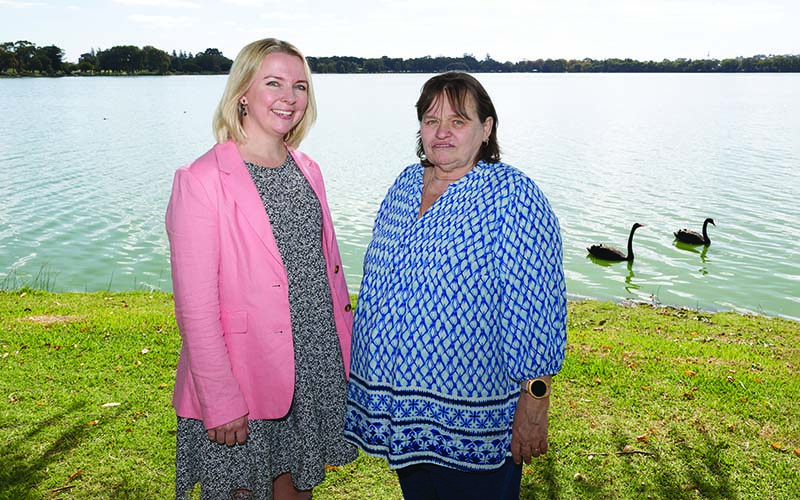
In Aboriginal culture, water is life, holding powerful spiritual and cultural significance and acting as a vital source of connection, food and medicine.
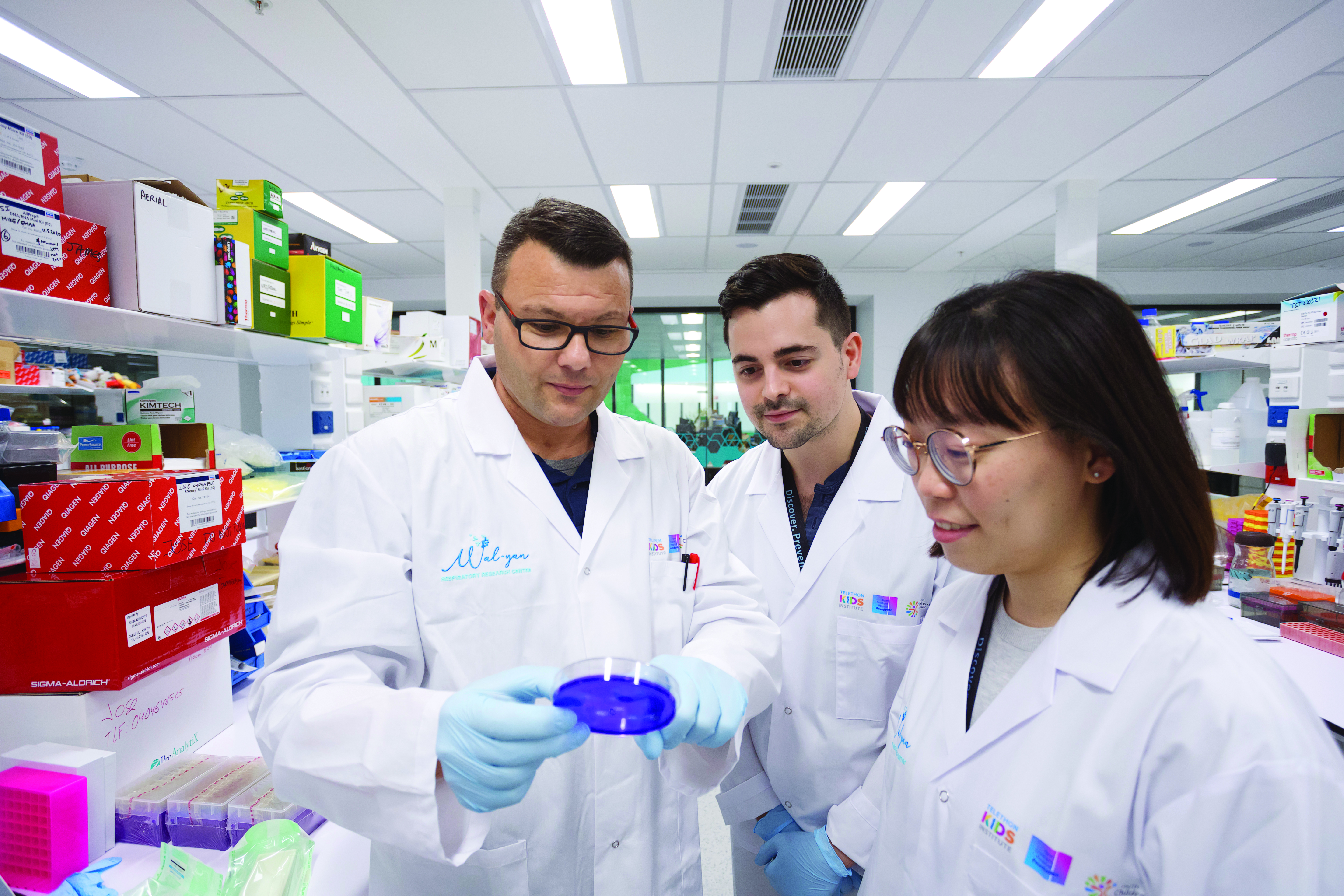
Cutting-edge work is offering new hope to children with Cystic Fibrosis.
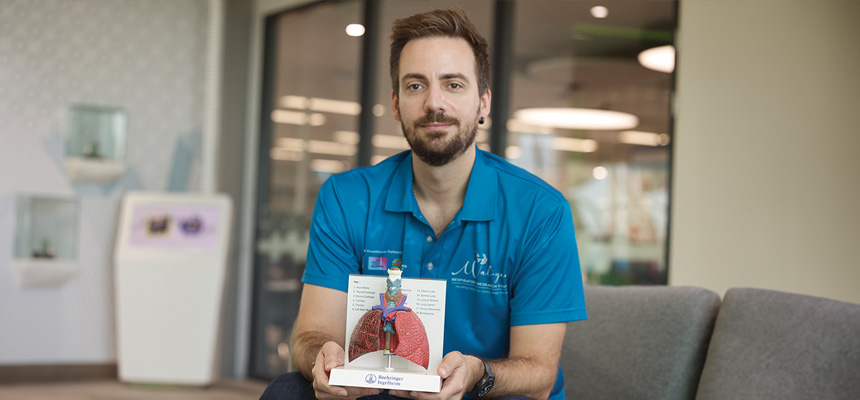
An exciting study is investigating whether a new therapeutic treatment for asthma will protect young sufferers from ongoing lung damage and improve their long-term health outcomes.
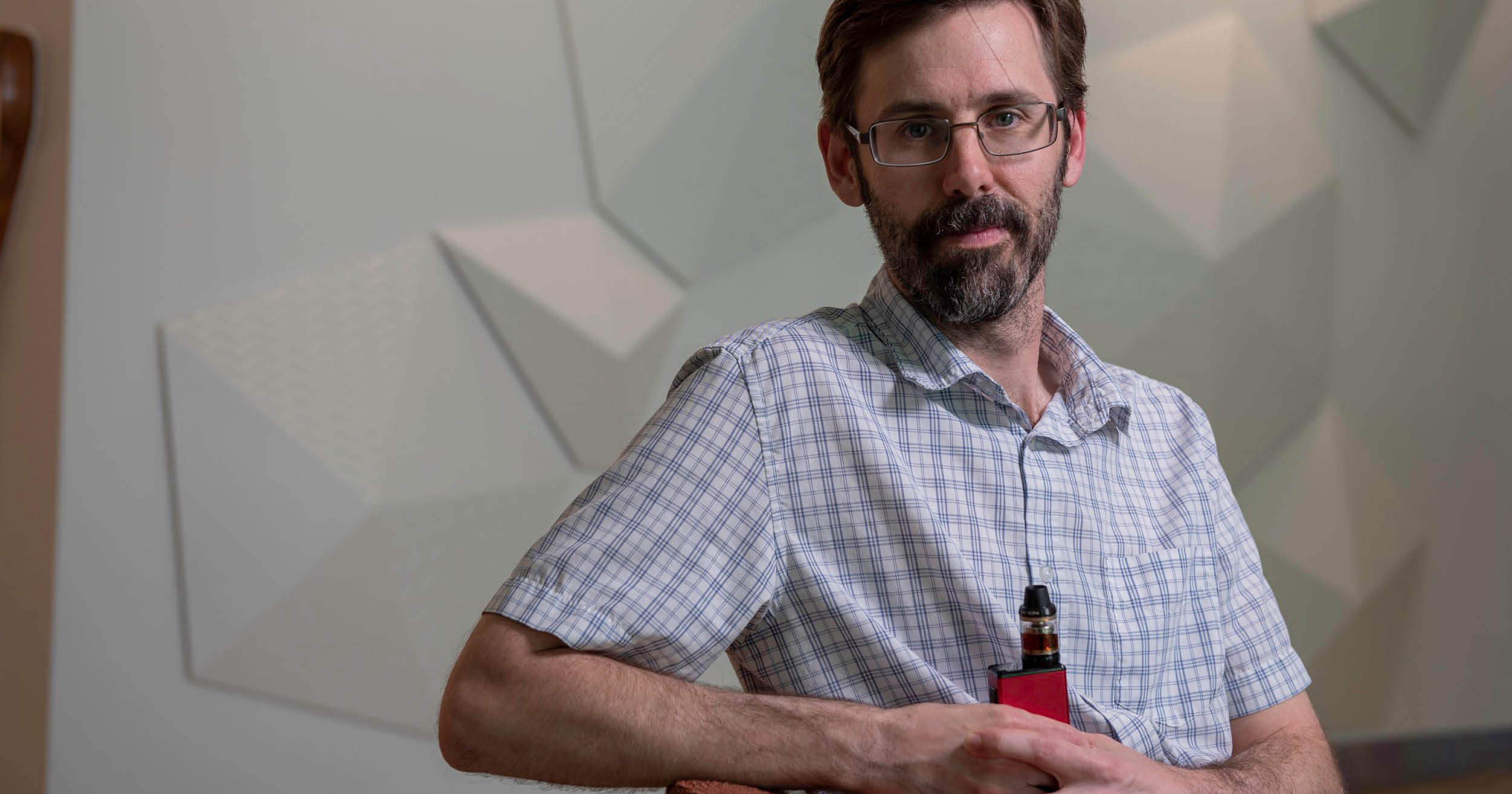
The Kids Research Institute Australia welcomes the Federal Government's stringent vaping reforms that took effect on 1 July 2024.
Australian researchers who have conducted the first study looking at the direct health impacts of predicted carbon dioxide levels say the results are worrying and highlight the urgent need for more research into the issue.

Perth’s north-east is under threat from an out-of-control bushfire.
Perth researchers have found toxic and harmful chemicals in several dozen e-cigarette liquids readily available in Australia.
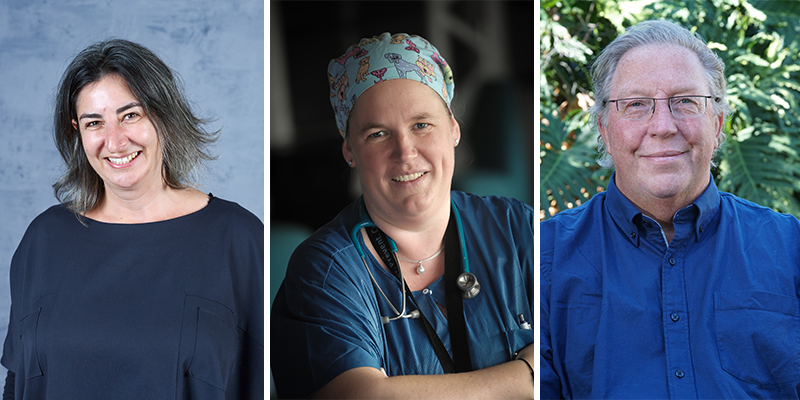
The Kids Research Institute Australia researchers have been awarded $5.3 million in prestigious Investigator Grants from the National Health and Medical Research Council