Search
To characterise the socio-demographic characteristics, aged and health care needs, and aged care services used by older Aboriginal and Torres Strait Islander people assessed for aged care service eligibility.
CDKL5 deficiency disorder presents as a challenging condition with early-onset refractory seizures, severe developmental delays, and a range of other neurological symptoms. Our study aimed to explore the benefits and side effects of anti-seizure medications in managing seizures among individuals with CDKL5 deficiency disorder, drawing on data from the International CDKL5 Disorder Database.
Pregnancy is an opportunistic time for dietary intake to influence future disease susceptibility in offspring later in life. The ORIGINS Project was established to identify the factors that contribute to 'a healthy start to life' through a focus supporting childhood health and preventing disease (including non-communicable diseases).
One third of Australian children diagnosed with type 1 diabetes present with life-threatening diabetic ketoacidosis (DKA) at diagnosis. Screening for early-stage, presymptomatic type 1 diabetes, with ongoing follow-up, can substantially reduce this risk (<5% risk). Several screening models are being trialled internationally, without consensus on the optimal approach. This pilot study aims to assess three models for a routine, population-wide screening programme in Australia.
Siblings of individuals with neurodevelopmental conditions are situated within a complex system of risk and resilience factors for poor outcomes, many of which overlap with the risk of traumatic brain injury and correlate with poorer recovery trajectories.
To identify the barriers and facilitators for timely detection and optimal management of otitis media in Aboriginal children in a primary care setting from the perspective of carers of Aboriginal children.
Concerns regarding adverse events following immunisation are a barrier to vaccine uptake. Health professionals use vaccine safety surveillance systems (VSSS) to monitor vaccines and inform the public of safety data. With little known about public attitudes, perceptions, and experiences with VSSS, we examined them in the context of COVID-19 vaccinations in Western Australia.
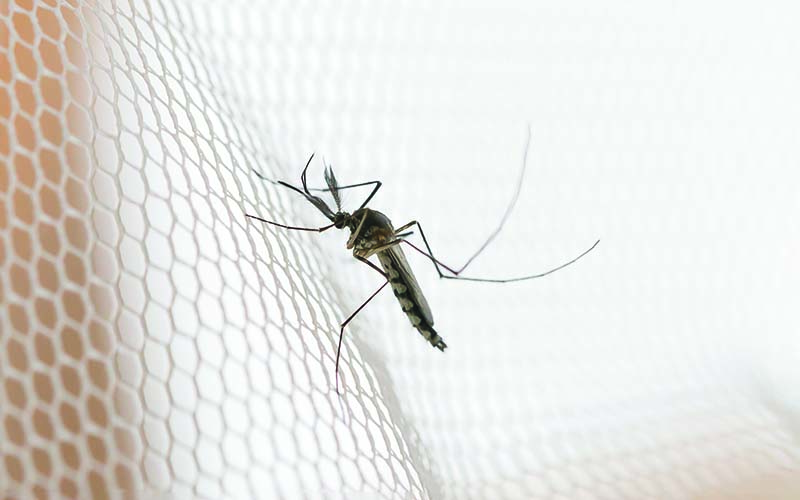
Nipah virus is a zoonotic paramyxovirus responsible for disease outbreaks with high fatality rates in south and southeast Asia. However, knowledge of the potential geographical extent and risk patterns of the virus is poor. We aimed to establish an integrated spatiotemporal and phylogenetic database of Nipah virus infections in humans and animals across south and southeast Asia.
Immunocompromised hosts experience more breakthrough infections and worse clinical outcomes following infection with COVID-19 than immunocompetent people. Prophylactic monoclonal antibody therapies can be challenging to access, and escape variants emerge rapidly. Immunity conferred through vaccination remains a central prevention strategy for COVID-19.
Human Phenotype Ontology based phenotype concept recognition (CR) underpins a faster and more effective mechanism to create patient phenotype profiles or to document novel phenotype-centred knowledge statements. While the increasing adoption of large language models (LLMs) for natural language understanding has led to several LLM-based solutions, we argue that their intrinsic resource-intensive nature is not suitable for realistic management of the phenotype CR lifecycle.