
Search
Ruth Elke Peter Thornton Seppanen Richmond PhD BSc PhD MBBS MRCP(UK) FRACP Co-head, Bacterial Respiratory Infectious Disease Group (BRIDG) Program
We assessed the impact of maternally derived pertussis antibodies on infant responses to a 2 + 1 vaccine schedule (6 weeks, 12 weeks, and 12 months). Infants with baseline antibodies showed lower IgG responses following the primary vaccination series, but this did not impair booster responses at 4 years of age.

Eleven researchers from The Kids Research Institute Australia will benefit from the latest round of Stan Perron Charitable Foundation Research Fellowship and Platform grants, with two researchers receiving prestigious Perron Platform grants and a further ten awarded Research Fellowships.

Dr Tom Snelling from The Kids explains the top five things you should know about the virus and why having the measles vaccine is so important.

Children at risk of potentially life-threatening Strep A infections no longer have to wait five days for timely treatment, thanks to a The Kids Research Institute Australia study conducted in the remote Kimberley region of Western Australia.

Senior Program Manager, Wesfarmers Centre of Vaccines & Infectious Diseases
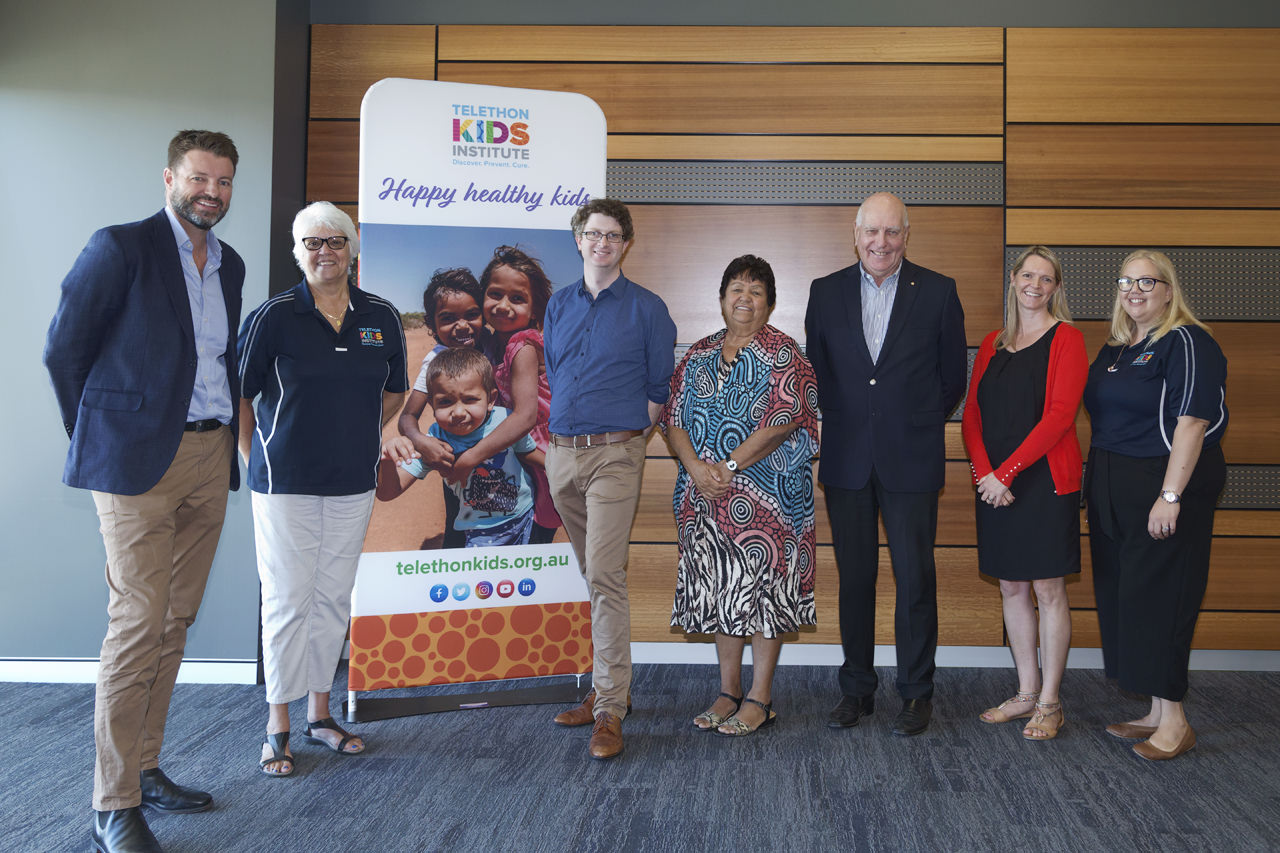
Every year 650,000 Australian children suffer from recurrent or chronic middle ear infections called otitis media (OM).
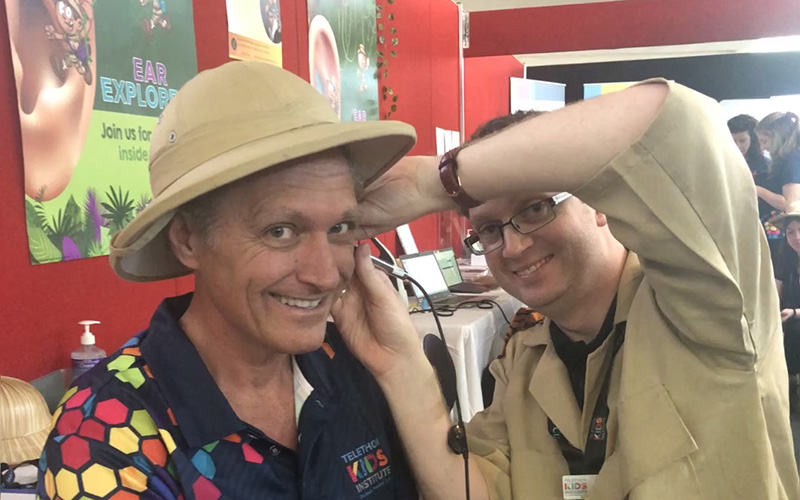
Findings from The Kids Research Institute Australia’s ‘Ear Explorers’ real-life research project undertaken as part of the 2019 Telethon weekend, found short videos were more helpful than photos when making a diagnosis.
Streptococcus A is a bacterium often found in the throat and on the skin.
Gram-negative bloodstream infections are associated with significant morbidity and mortality in children. Increasing antimicrobial resistance (AMR) is reported globally, yet efforts to track pediatric AMR at a national level over time are lacking.