
Search
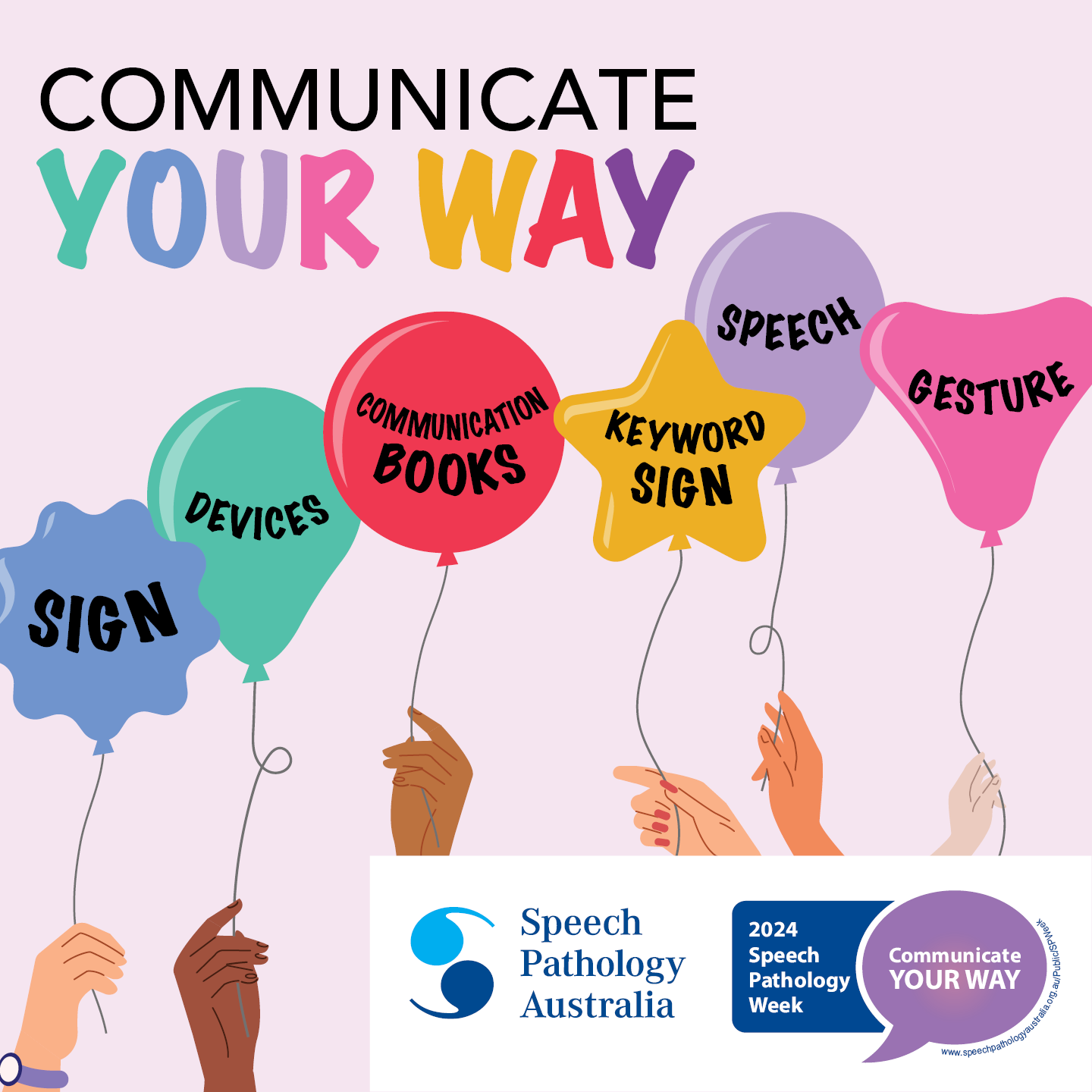
To kick off Speech Pathology Week 2024, we asked our clients, their families and the community to share the different ways they communicate. Senior Speech Pathologist Sally Grauaug compiled their ideas and feedback into this blog.
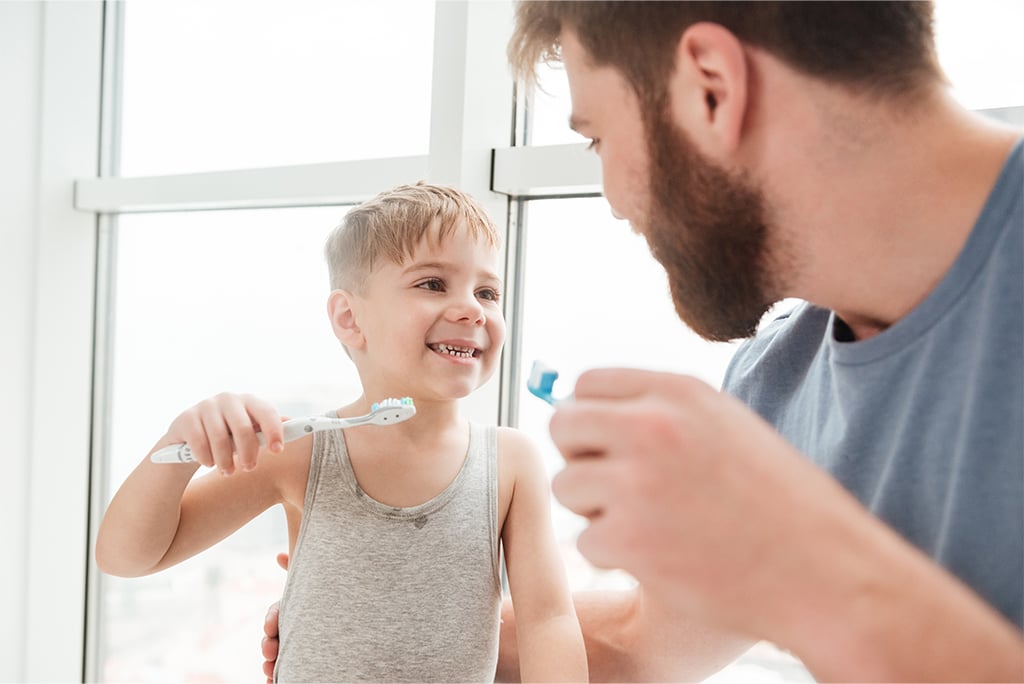
In this blog, Curtin University Occupational Therapy student Emily Mower shares some tips to help your child successfully brush their teeth.

In this blog, Speech Pathology Clinical Lead Aria May and Occupational Therapy Clinical Lead Marie Rodatz share their top tips for making the most of nappy changes to help create more opportunities for connection.

In this blog, Clinical Psychologist and Clinical Lead (Psychology) Dr Mei’en Lim offers families — both parents and children — advice on how to embrace boredom.
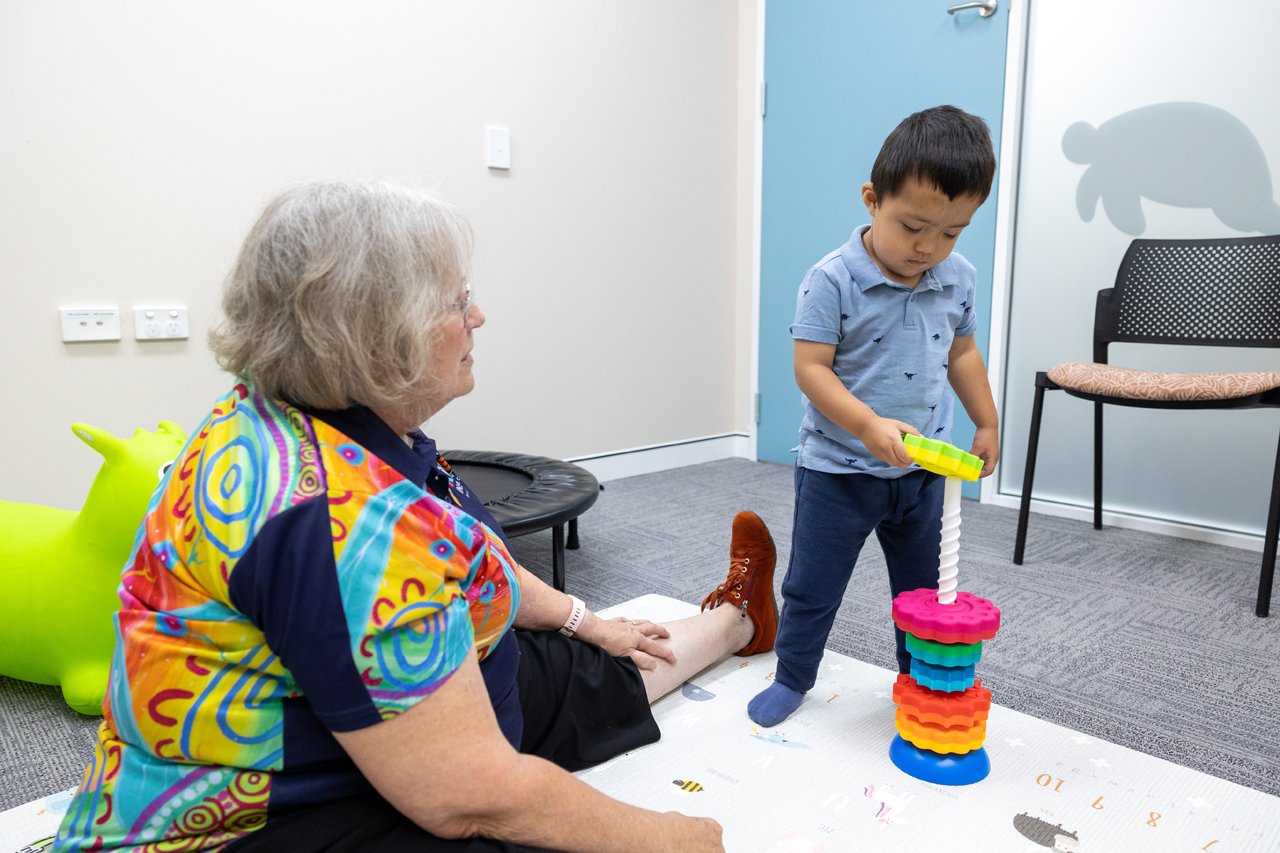
In this blog, Speech Pathologist Emma Corry explores what neurodiversity is, and what it means in the context of supporting autistic children. Many people may have heard the term “neurodiversity” but what does this term actually mean? In this blog, we are going to dive into the foundations of neurodiversity.

In this blog, Senior Occupational Therapist Gayle Hillen explores the steps to developing a functional pencil grasp.

In this blog, Occupational Therapist Tarryn Culverhouse provides some tips to help your child increase their independence in dressing.
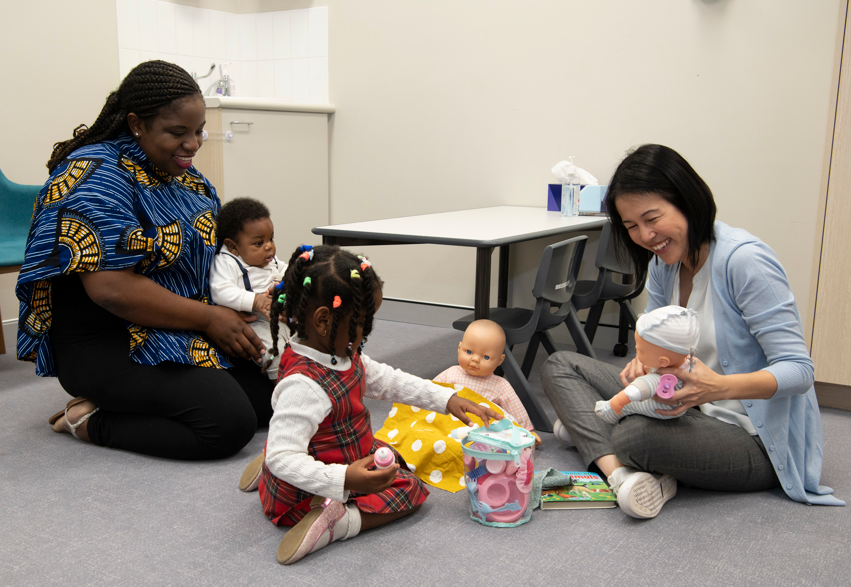
In this blog, Speech Pathologist Linda Arabi discusses the social model and how it influences the supports we provide to autistic children and their families.
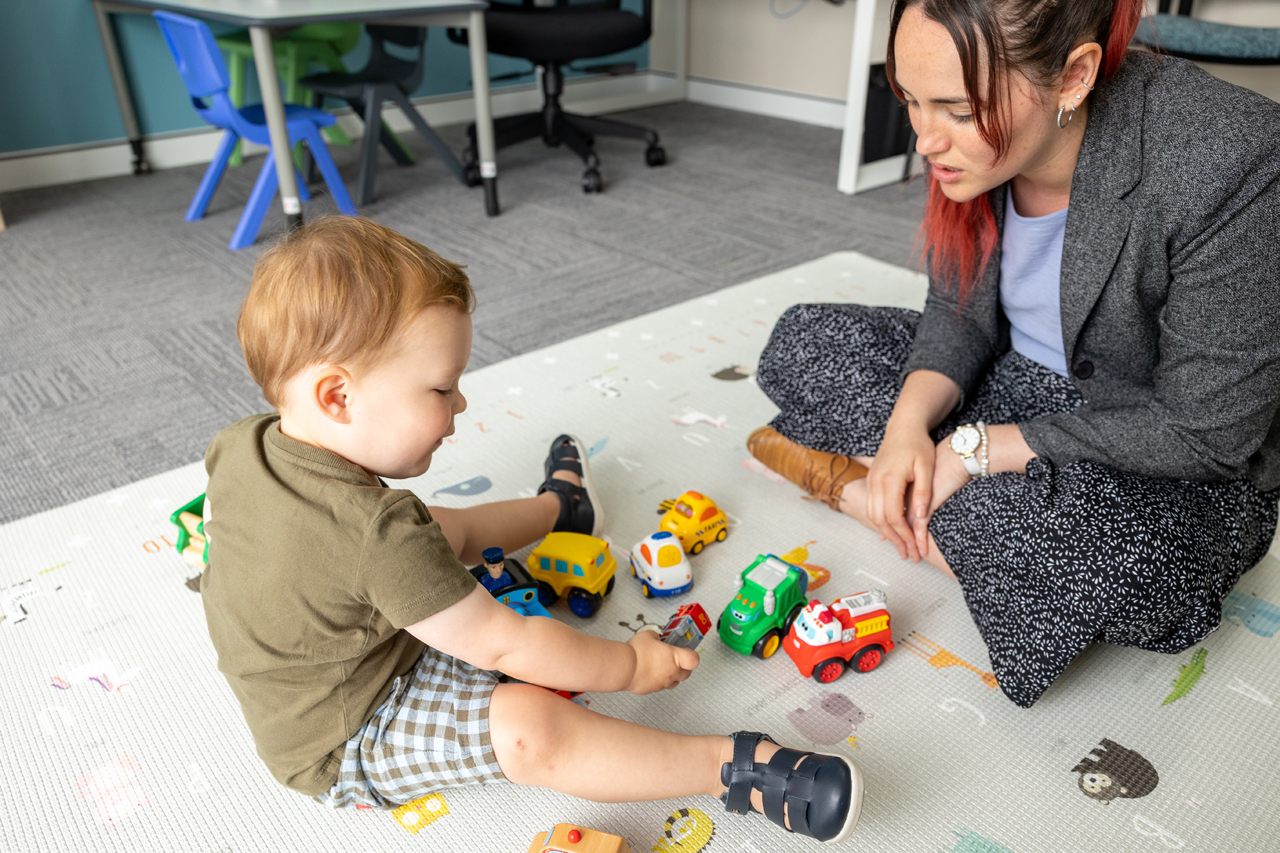
In this new blog, Speech Pathologist Emma Corry looks at the importance of shared attention for connection, communication and learning.
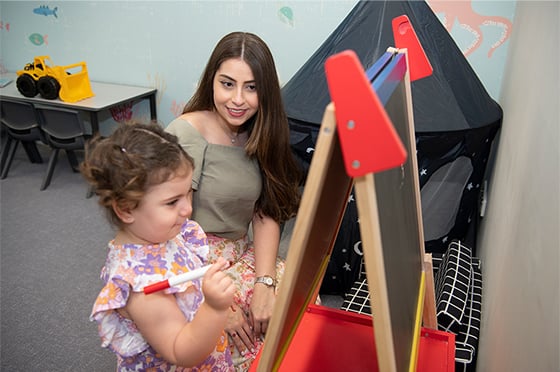
Senior Speech Pathologist Marisa Di Lorenzo looks at social communication and language outcomes for bilingual autistic children.