
Search
Untreated hepatitis C virus (HCV) infection can result in cirrhosis and hepatocellular cancer. Direct-acting antiviral (DAA) therapies are highly effective and have few side effects compared to older interferon-based therapy. Despite the Australian government providing subsidised and unrestricted access to DAA therapy for chronic HCV infection, uptake has not been sufficient to meet the global target of eliminating HCV as a public health threat by 2030.
Children prone to irritability experience significant functional impairments and internalising and externalising problems. Contemporary models have sought to elucidate the underlying mechanisms in irritability, such as aberrant threat and reward biases to improve interventions.
Most support programmes for Autistic children are available only after they are diagnosed. Research suggests that parenting supports may be helpful for parents and their infants, when provided in the first 2 years of life - before a formal diagnosis is given, but when information suggests an infant is more likely to be Autistic. However, we do not know how acceptable these types of supports might be to the Autistic and autism communities.
Siblings of children with cancer have been shown to experience disruption in multiple domains including family, school, and friendships. Existing literature on siblings' experiences focuses on older children or on a broad range of ages.
Event-free survival considers other adverse events in addition to mortality. It therefore provides a more complete understanding of the effectiveness and consequences of treatment than standard survival measures, but is rarely reported at the population level for childhood cancer.

As thousands of West Australian school leavers pack their bags for a week of celebration to mark the end of their school journey this weekend, it can be an anxious time for parents.
In 2023 severe acute respiratory syndrome coronavirus 2 (SARS-CoV-2) was declared endemic, yet hospital admissions have persisted and risen within populations at high and moderate risk of developing severe disease, which include those of older age, and those with co-morbidities. Antiviral treatments, currently only available for high-risk individuals, play an important role in preventing severe disease and hospitalisation within this subpopulation.
Chorioamnionitis is a common antecedent of preterm birth and induces inflammation and oxidative stress in the fetal lungs. Reducing inflammation and oxidative stress in the fetal lungs may improve respiratory outcomes in preterm infants. Creatine is an organic acid with known anti-inflammatory and antioxidant properties.
Pete Azzopardi PhD, FRACP, MEpi, MBBS, GDipBiostats, BMedSci Head, Adolescent Health and Wellbeing Head, Adolescent Health and Wellbeing Professor
Canada, Australia, the World Health Organization and other countries have released 24-hour movement guidelines for the early years which integrate physical activity, sedentary behaviour, and sleep, focusing on supporting children to achieve a healthy 24-hour day. The guideline evidence synthesis, however, highlighted the dearth of high-quality evidence, particularly from large-scale studies.
Cardiovascular imaging results offer valuable information that can guide health decisions, but their impact on medication use and adherence is unclear. This systematic review and meta-analysis aimed to determine the downstream impact of cardiovascular imaging results on medication use and adherence.
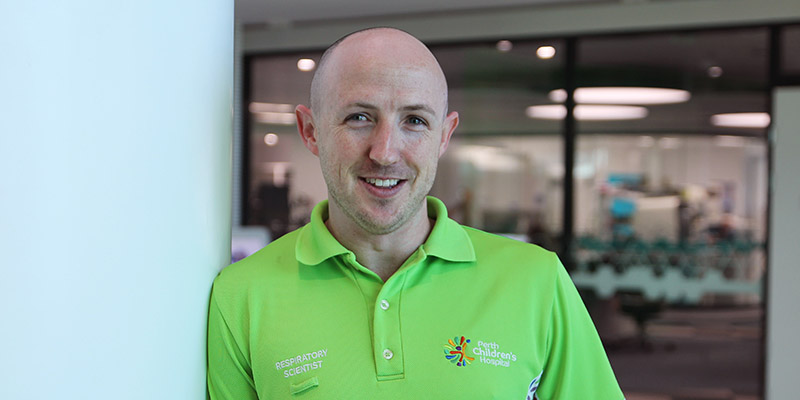
Parents of children born prematurely have expressed concerns about their child’s lung health when they exercise, with symptoms such as breathlessness.

The Kids Research Institute Australia congratulates Professor Helen Milroy on being named Western Australia’s 2021 Australian of the Year.

Pioneering Aboriginal psychiatrist, researcher and mental health champion Professor Helen Milroy has been named joint winner of the 2020 Australian Mental Health Prize.