
Search
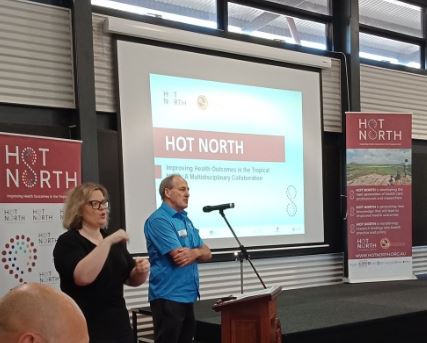
Over 100 researchers and health professionals from around Australia have united in Broome this week to address the major health battles facing people living in the tropical north of the country.
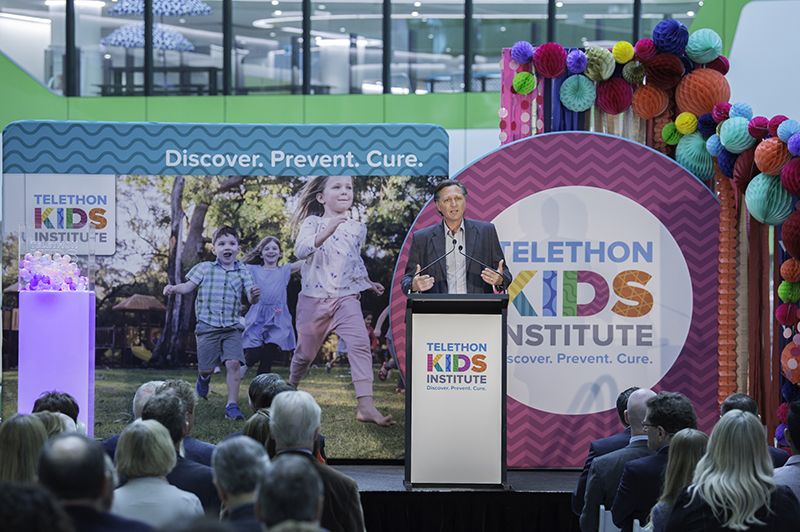
The Kids Research Institute Australia’s new state of the art research facility within the Perth’s Children’s Hospital (PCH) has officially opened its doors, paving the way for faster bench to bedside outcomes for children.
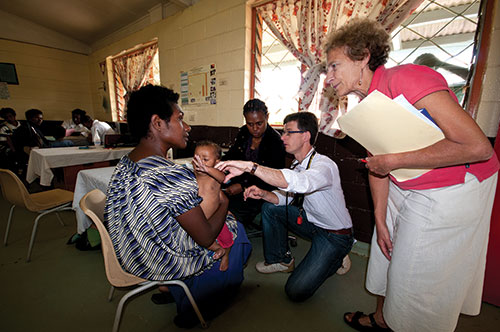
Clinical Associate Professor Deborah Lehmann has been recognised for her dedication to reducing the burden of infectious diseases in Papua New Guinea (PNG) with an award supporting research in the Western Pacific named in her honour.
New research investigating the devastating impact of the 2017 flu season by PAEDS-FluCAN, a national collaboration observing influenza in children, confirmed it was time to take action after thousands of children were hospitalised with the virus last year.
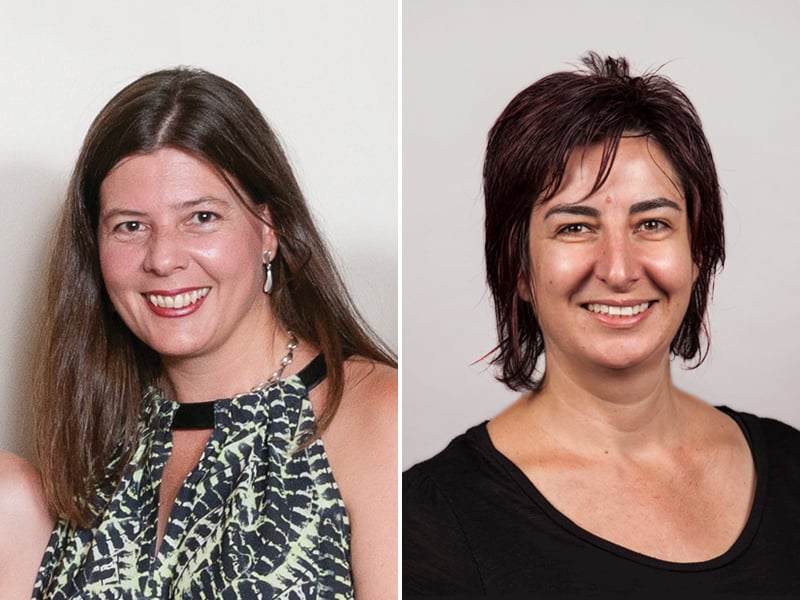
Two leading The Kids Research Institute Australia researchers will use more than $1.1 million in National Health and Medical Research Council funding to improve outcomes for some of the world’s most vulnerable children and young people.
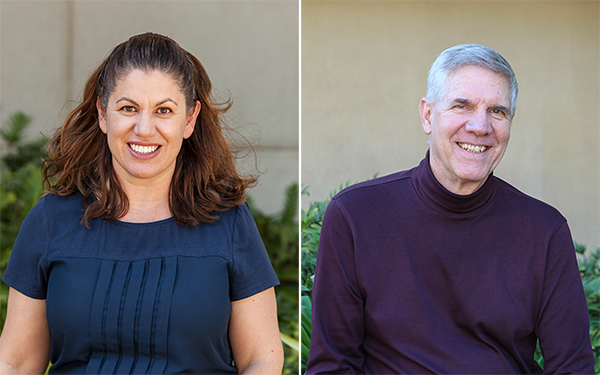
Two highly respected The Kids Research Institute Australia researchers have been named as finalists in the 2018 Premier’s Science Awards.
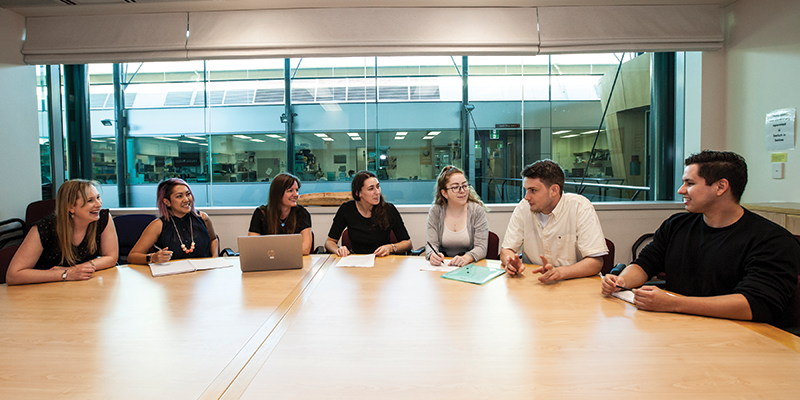
Twenty-year-old Emma Wignell, a proud member of The Kids Research Institute Australia Youth Advisory Committee, was one of the dozens of young Western Australians involved in the community conversations which helped shape the State’s first Youth Health Policy.
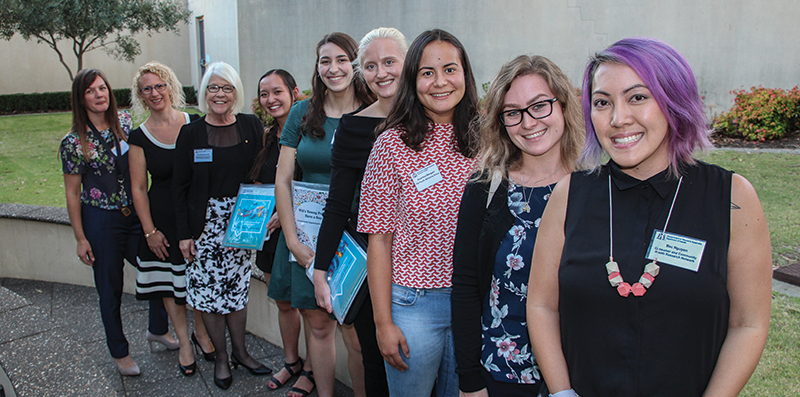
The Kids Research Institute Australia has long been recognised for the research it produces. But the way the Institute collaborates with the community – asking what they most want or need to know about and tailoring research to deliver those outcomes – is also leading the way.
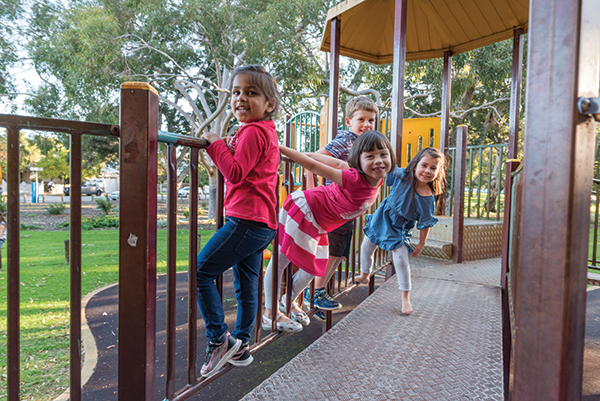
A toolkit designed to help schools use AEDC data to inform planning of early childhood programs and encourage engagement with the broader early childhood community is making a difference.
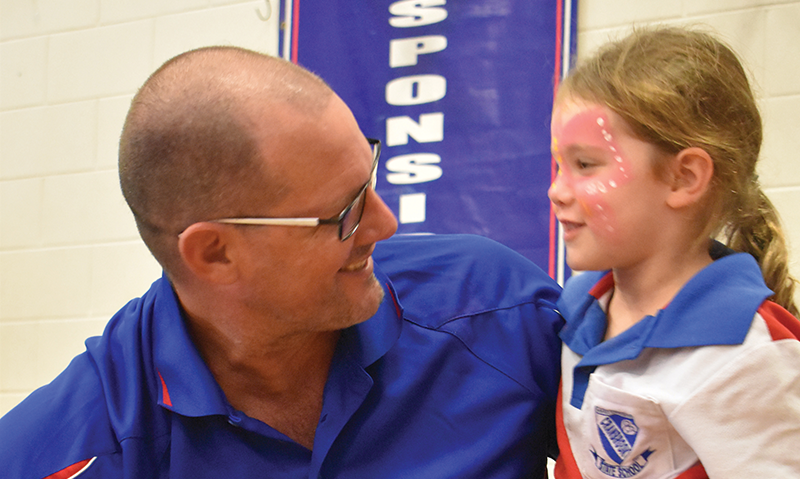
By his own admission, Cranbrook State School principal Jeffrey Capell was initially resistant to the idea that the school could better support the development of children before they were old enough to actually enrol in school.