
Search
Showing results for "A"
Siblings of children with disabilities: challenges and opportunities
Catch up on the December 2023 edition of our Research News.

Head, Youth Mental Health

Senior Research Fellow
The Australian Technical Advisory Group on Immunisation and New Zealand Ministry of Health recommend all children aged ≥ 5 years receive either of the two mRNA COVID-19 vaccines: Comirnaty (Pfizer), available in both Australia and New Zealand, or Spikevax (Moderna), available in Australia only. Both vaccines are efficacious and safe in the general population, including children. Children and adolescents undergoing treatment for cancer and immunosuppressive therapy for non-malignant haematological conditions are particularly vulnerable, with an increased risk of severe or fatal COVID-19.
Globally, as scale up of early childhood education (ECE) continues, monitoring ECE quality is imperative to promote service aspects that drive positive outcomes for children. Monitoring of ECE quality in low- and middle-income countries (LMICs) is scarce, limited by challenges in varied conceptualisations of quality, lack of measurement tools that reflect local culture and context, and implementation difficulties in low resource settings.
To summarize recent evidence in pediatric total intravenous anesthesia (TIVA), highlighting advances in pharmacokinetics-pharmacodynamics, target-controlled infusion (TCI), electroencephalography (EEG)-guided titration, emerging agents, safety, and sustainability, and to provide clinicians with an updated, practical framework for pediatric TIVA practice.
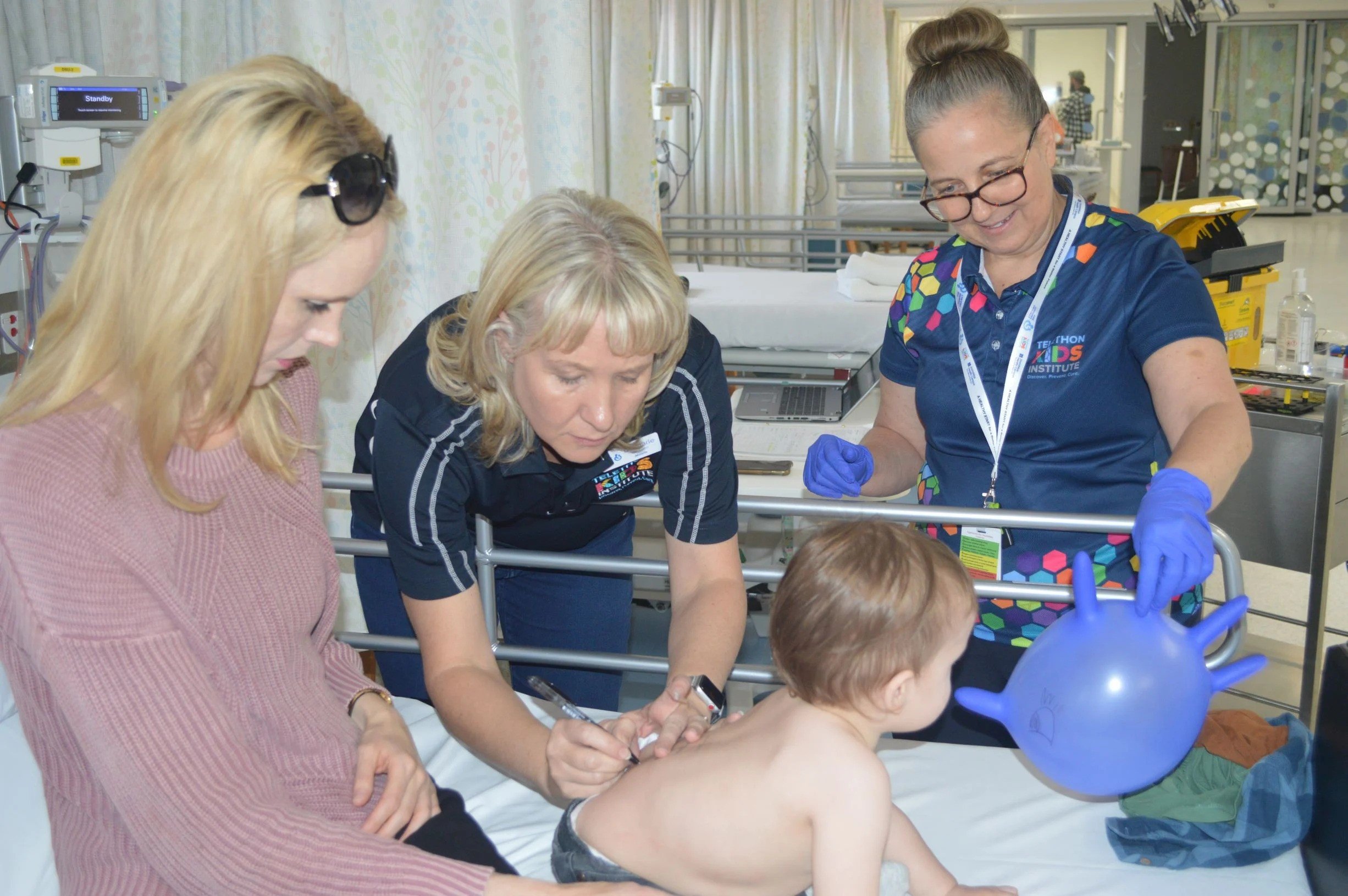
This fellowship will assist Associate Professor Palmer in her large-scale food allergy prevention trials.
Multi-omics in combination with advanced computational methodologies synthesizes diverse omics data to provide deeper insights into molecular interactions and offers transformative potential for unravelling phenomenon behind disease complexities, improving diagnostics, disease prevention, and personalized treatments. This integrative strategy enables our understanding of gene-environment relationships, chronic disease progression, and the intricate molecular pathways involved in health.
The Australian and New Zealand Paediatric Infectious Diseases (ANZPID) Group of the Australasian Society for Infectious Diseases (ASID) calls for urgent consideration of the needs and voices of children in response to the COVID-19 pandemic, and in planning for future pandemics.