
Search
Showing results for "A"
Burn injury in children causes prolonged systemic effects on physiology and metabolism leading to increased morbidity and mortality, yet much remains undefined regarding the metabolic trajectory towards specific health outcomes.
To summarize recent evidence in pediatric total intravenous anesthesia (TIVA), highlighting advances in pharmacokinetics-pharmacodynamics, target-controlled infusion (TCI), electroencephalography (EEG)-guided titration, emerging agents, safety, and sustainability, and to provide clinicians with an updated, practical framework for pediatric TIVA practice.
Despite impacting mankind since ancient times, tuberculosis (TB) persists as the leading cause of death from an infectious disease. TB can remain latent and further research is required to understand activation risk and the risks vs. the benefits of treating latent infection. Drug resistance poses an escalating threat to treating active disease and achieving cure.
Examine the reliability of field-based fitness assessments in school-aged children with emotional or behavioral difficulties (EBD). Understanding the impact of fitness on physical activity participation for children with EBD is limited by our ability to reliably measure it.
It is unknown whether the nutritional quality of children's menus vary depending on the cuisine type. This study aimed to investigate differences in the nutritional quality of children's menus by cuisine type in restaurants located in Perth, Western Australia.
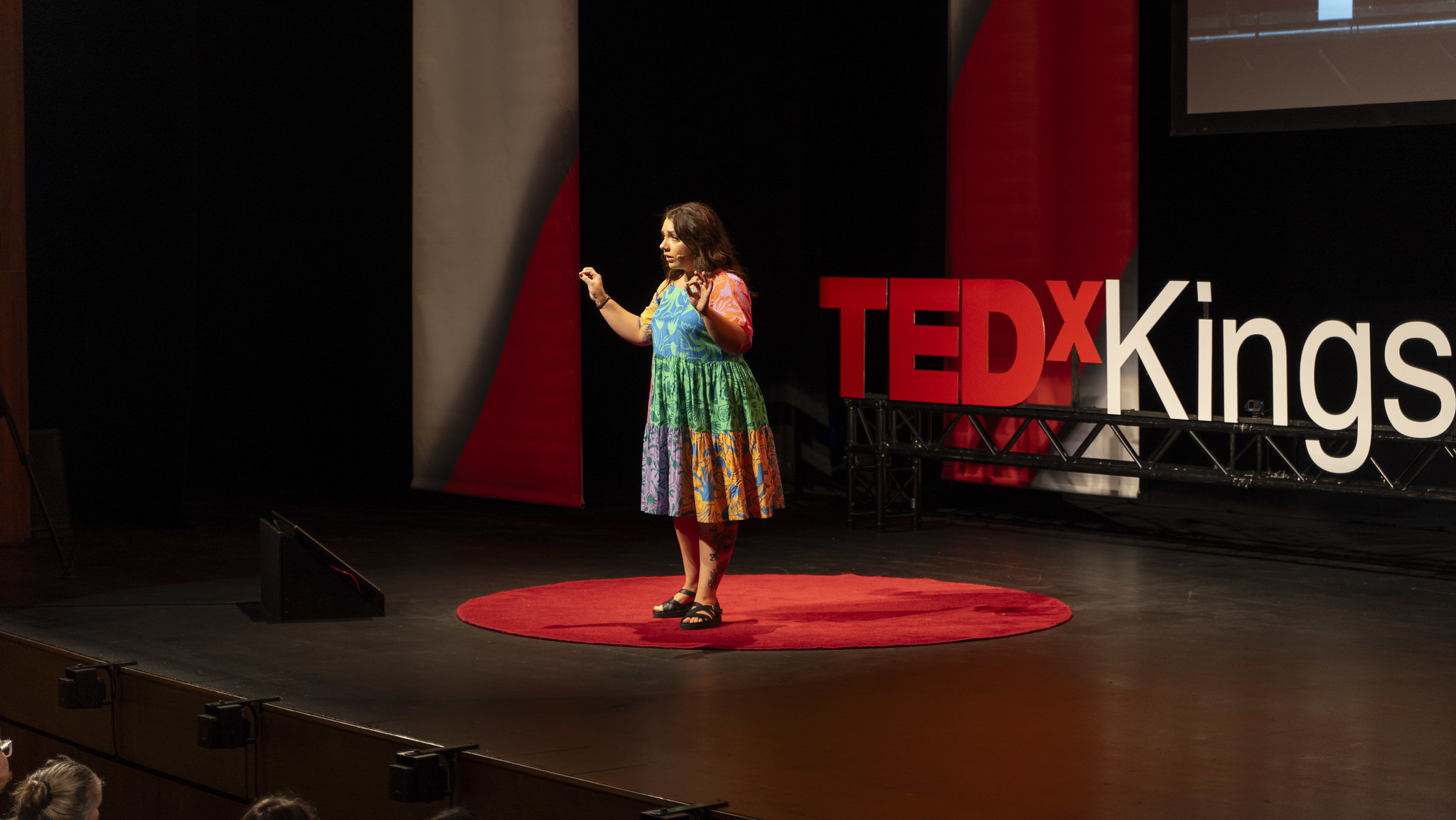
Senior researcher Dr Alix Woolard gives a talk on post-traumatic growth at TEDx Youth @ Kings Park
Many children and their families, especially those from priority populations, experience barriers to accessing high-quality early childhood health, education, social and legal services. Further, these families are often under-represented in service planning and research; hence innovations are not designed to meet their needs. Our aim is to codesign with families and the wider community, a Strength-based, Tiered, Accessible Resources and Supports for Kids (STARS for Kids) programme to optimise child development, parental mental well-being, and family psychosocial needs in the first 2000 days from pregnancy to start of school
To investigate the genetic architecture of internalizing symptoms in childhood and adolescence.
The Australian Technical Advisory Group on Immunisation and New Zealand Ministry of Health recommend all children aged ≥ 5 years receive either of the two mRNA COVID-19 vaccines: Comirnaty (Pfizer), available in both Australia and New Zealand, or Spikevax (Moderna), available in Australia only. Both vaccines are efficacious and safe in the general population, including children. Children and adolescents undergoing treatment for cancer and immunosuppressive therapy for non-malignant haematological conditions are particularly vulnerable, with an increased risk of severe or fatal COVID-19.
General anesthesia is associated with development of pulmonary atelectasis. Children are more vulnerable to the development and adverse effects of atelectasis. We review the physiology and risk factors for the development of atelectasis in pediatric patients under general anesthesia.