
Search
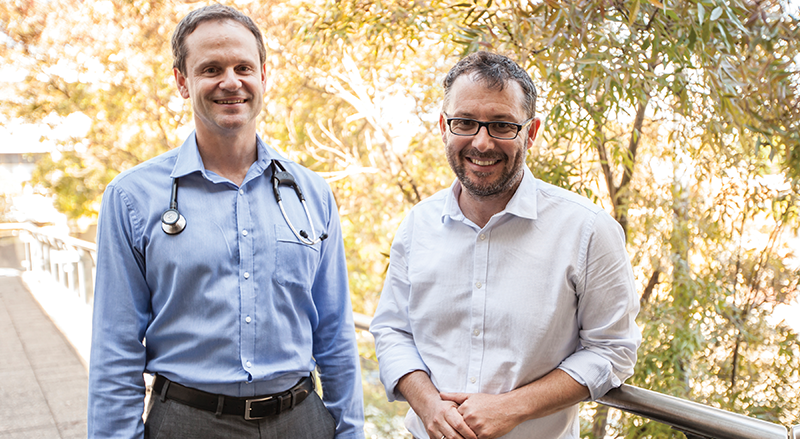
The Kids researchers are pioneering an exciting new approach to clinical trials, which aims to fast-track the best treatments for people with rare and complex diseases.
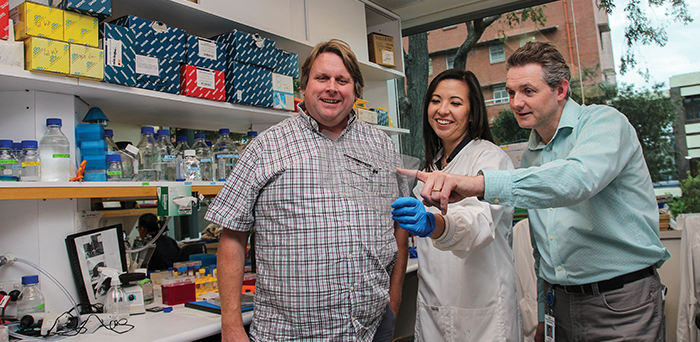
In the field of cancer research, lobbying efforts by the The Kids Cancer Centre have contributed to major initiatives including Australia’s first personalised medicine program for children with high-risk cancer, and a mission to boost survival rates in brain cancer patients.
MEDIA ENQUIRIES Mailing list Media Contacts Be Inspired Please direct general enquiries to our reception on (08) 6319 1000. Please direct media
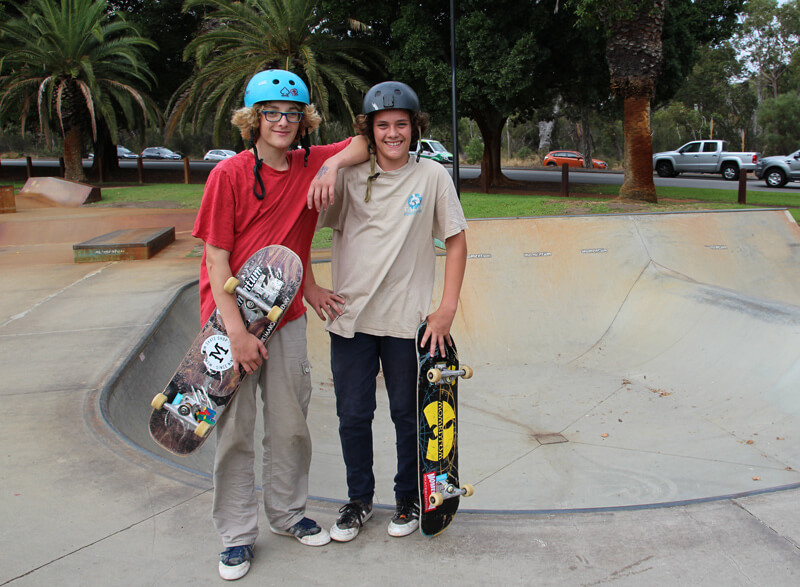
When Samuel and James Considine were born in October 2003, perilously close to what the medical world describes as the limit of viability, each weighed just 700 grams and could fit into the palm of their father’s hand.
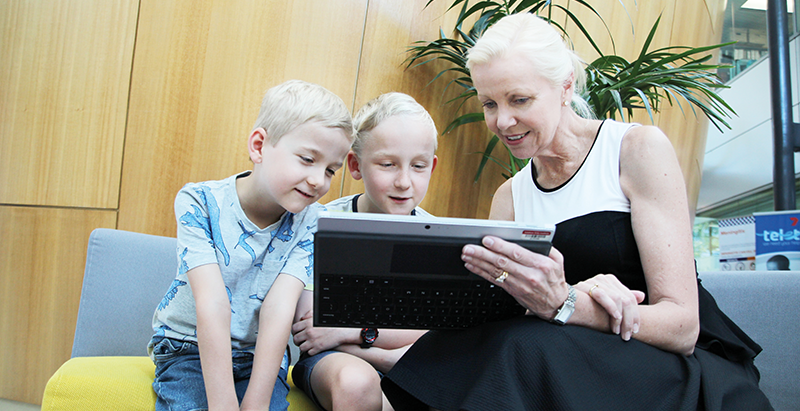
Schools from around the globe have turned to The Kids Research Institute Australia, seeking access to invaluable lessons learned from Australian students on how to effectively reduce harm from cyberbullying.
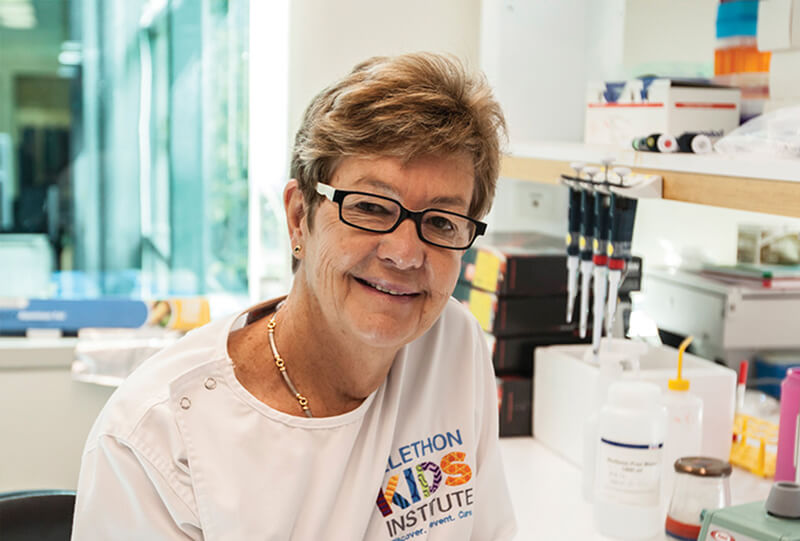
People at risk of developing multiple sclerosis (MS) have been offered a beacon of hope thanks to research into UV exposure.
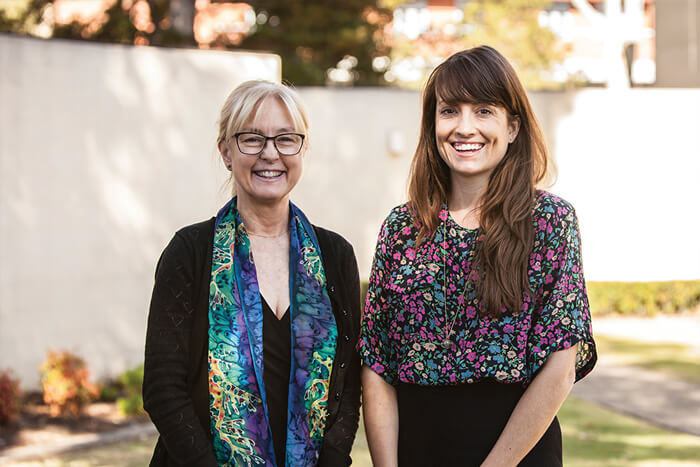
If there’s one thing modern researchers and health professionals now understand, it’s that for so many diseases and conditions affecting children and adolescents, early intervention is crucial.
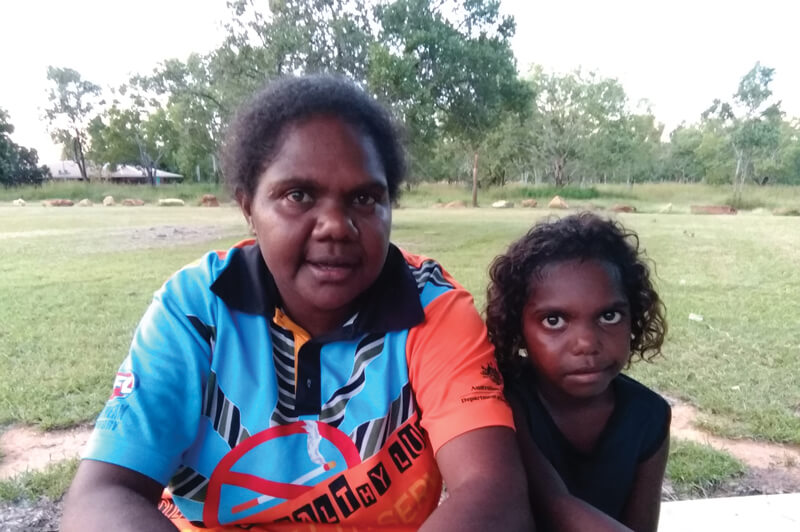
Collaboration is the driving force behind ‘END RHD Demonstration Communities’ – a new community-driven, research-backed approach to tackling rheumatic heart disease (RHD) in remote Australia.

"This system definitely helped with my diabetes management, especially overnight, and helped to keep my blood sugars as stable as possible which was fantastic,"

In 2017, a steep rise in cases of meningococcal disease caused by the W strain sparked a wave of concern for parents in Western Australia.