
Search

A new study has highlighted the positive impact dog ownership has on our mental health.
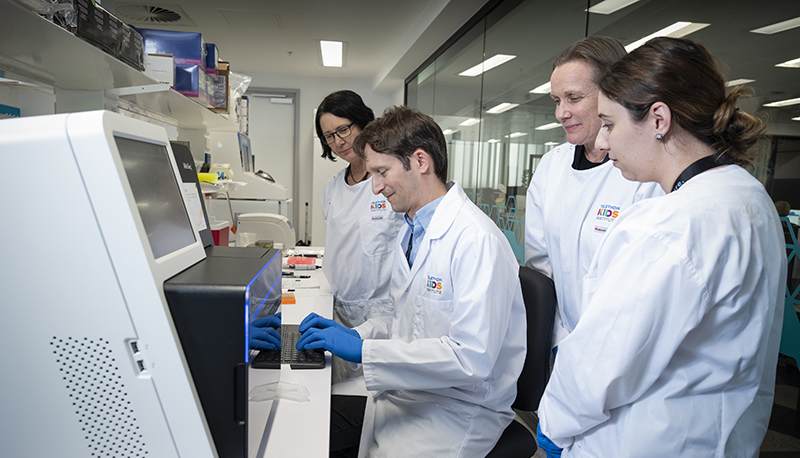
Researchers at The Kids Research Institute Australia working to provide confident diagnoses for children suffering from rare diseases have created a new computer algorithm to help pinpoint the mutations responsible for the conditions.
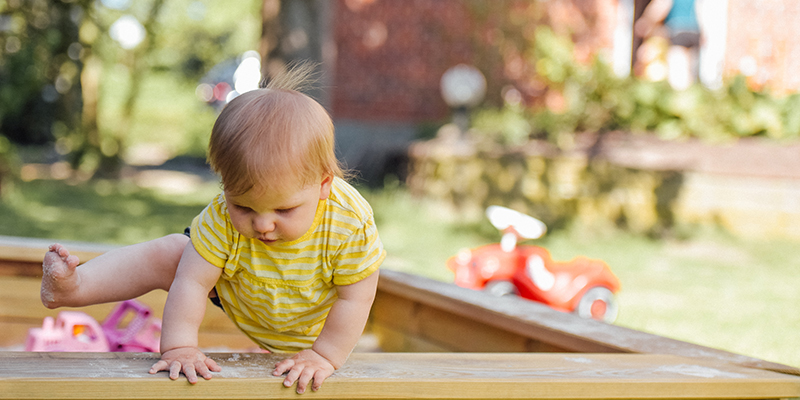
The Aussie summer provides some great opportunities for families to connect in an active and social way. But with it comes a range of factors that can impact on child and family health.
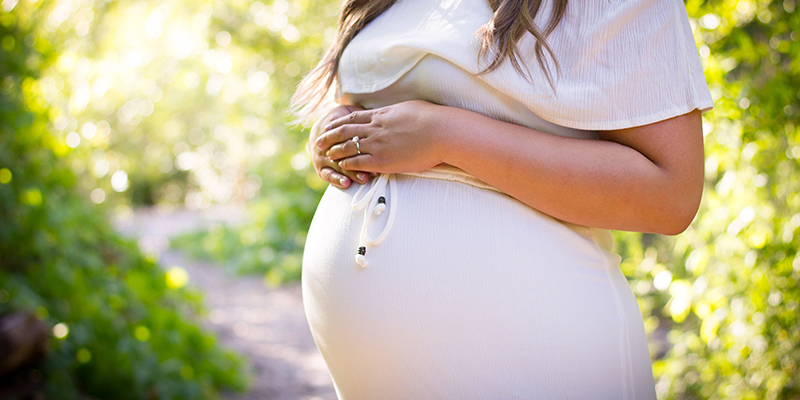
Professor Silva says pregnant women are also more vulnerable to the heat.

Head of Cancer Immunotherapy Research at the The Kids Cancer Centre, Dr Jason Waithman, says Australia has one of the highest rates of skin cancer in the world.
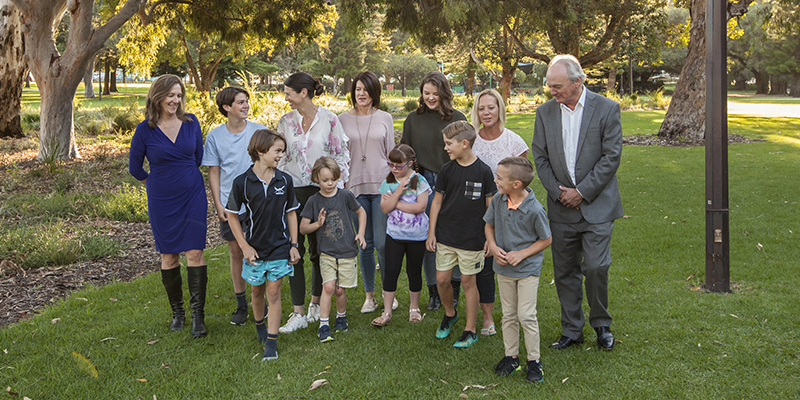
Co-Head of the Diabetes Centre at The Kids, Professor Liz Davis, says people with diabetes may get dehydrated more quickly.
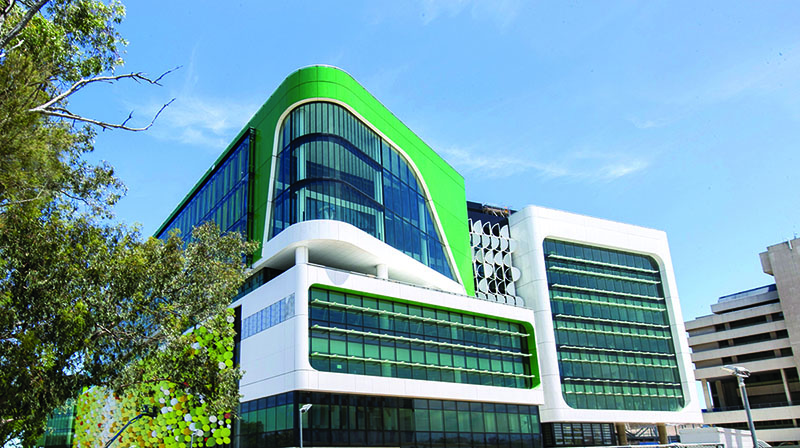
The Kids Research Institute Australia researchers have been awarded nearly $8.5 million from the National Health and Medical Research Council.
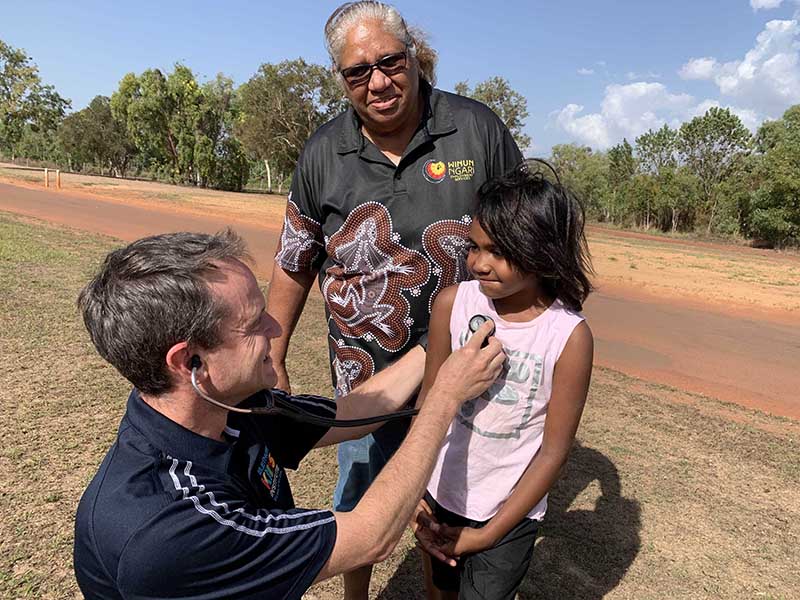
The Kids Research Institute Australia and Perth Children’s Hospital clinician-researchers have found more than one in ten children across four remote Kimberley communities have protracted bacterial bronchitis.
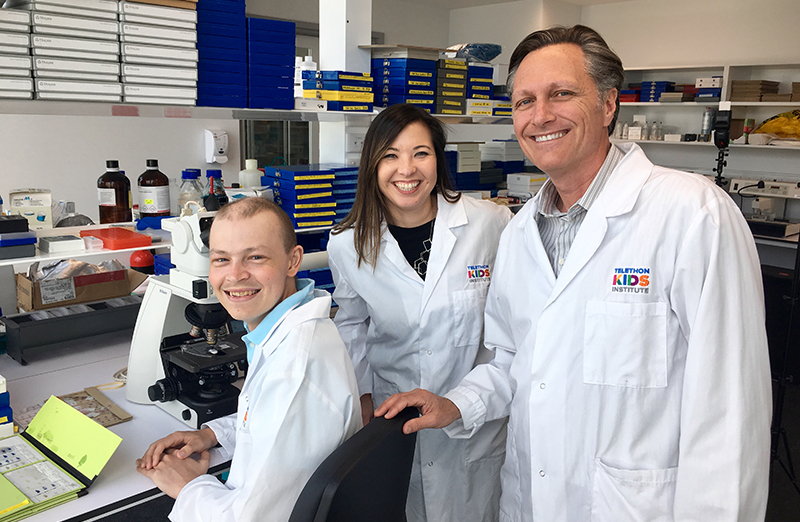
The Kids Research Institute Australia and Perth Children’s Hospital will lead an international clinical trial of a novel drug combination they hope will increase cure rates for one of the most aggressive forms of childhood brain cancer.
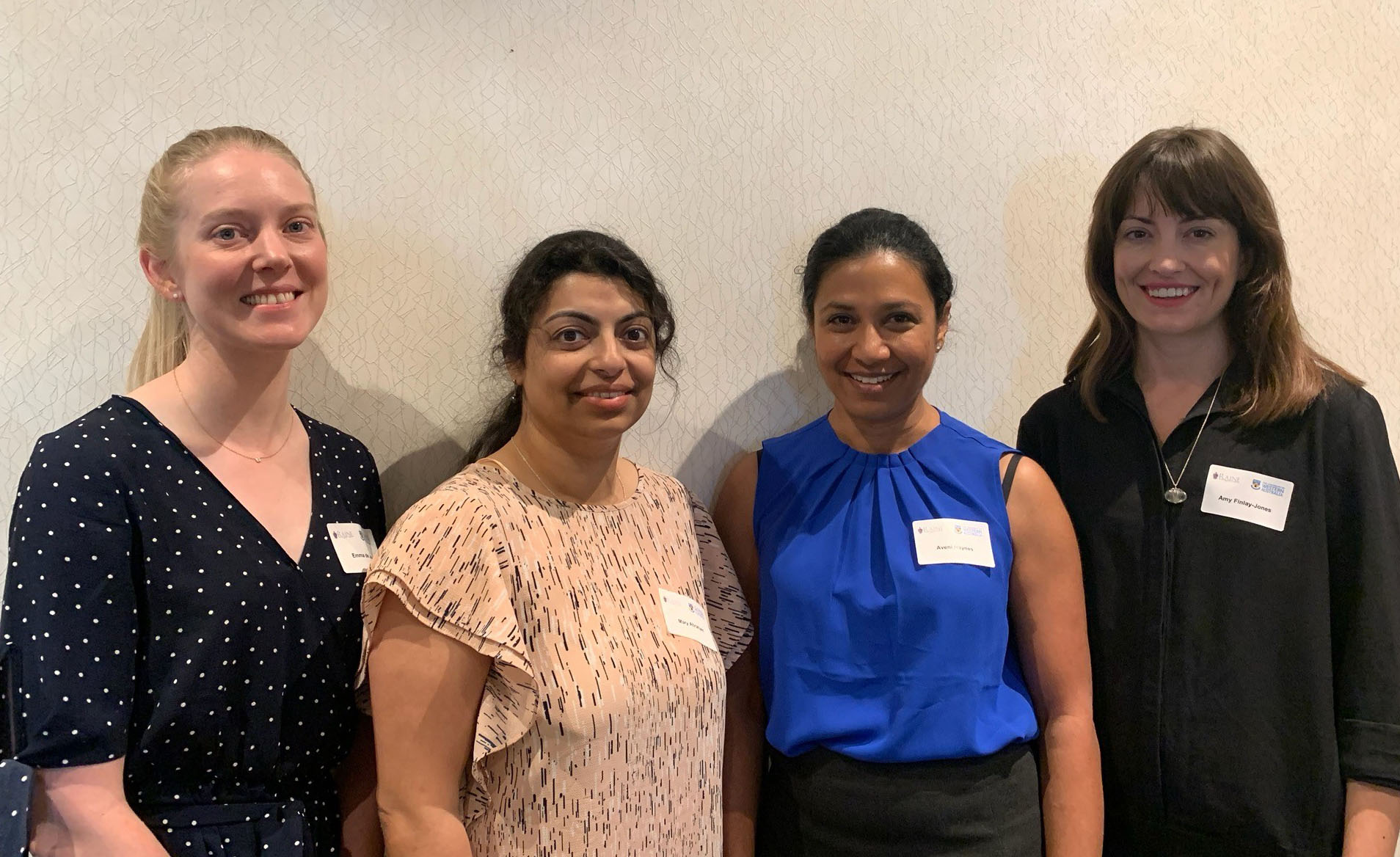
Children’s Diabetes Centre researchers at The Kids Research Institute Australia are among the big winners of prestigious Raine Medical Research Foundation Awards.