
Search
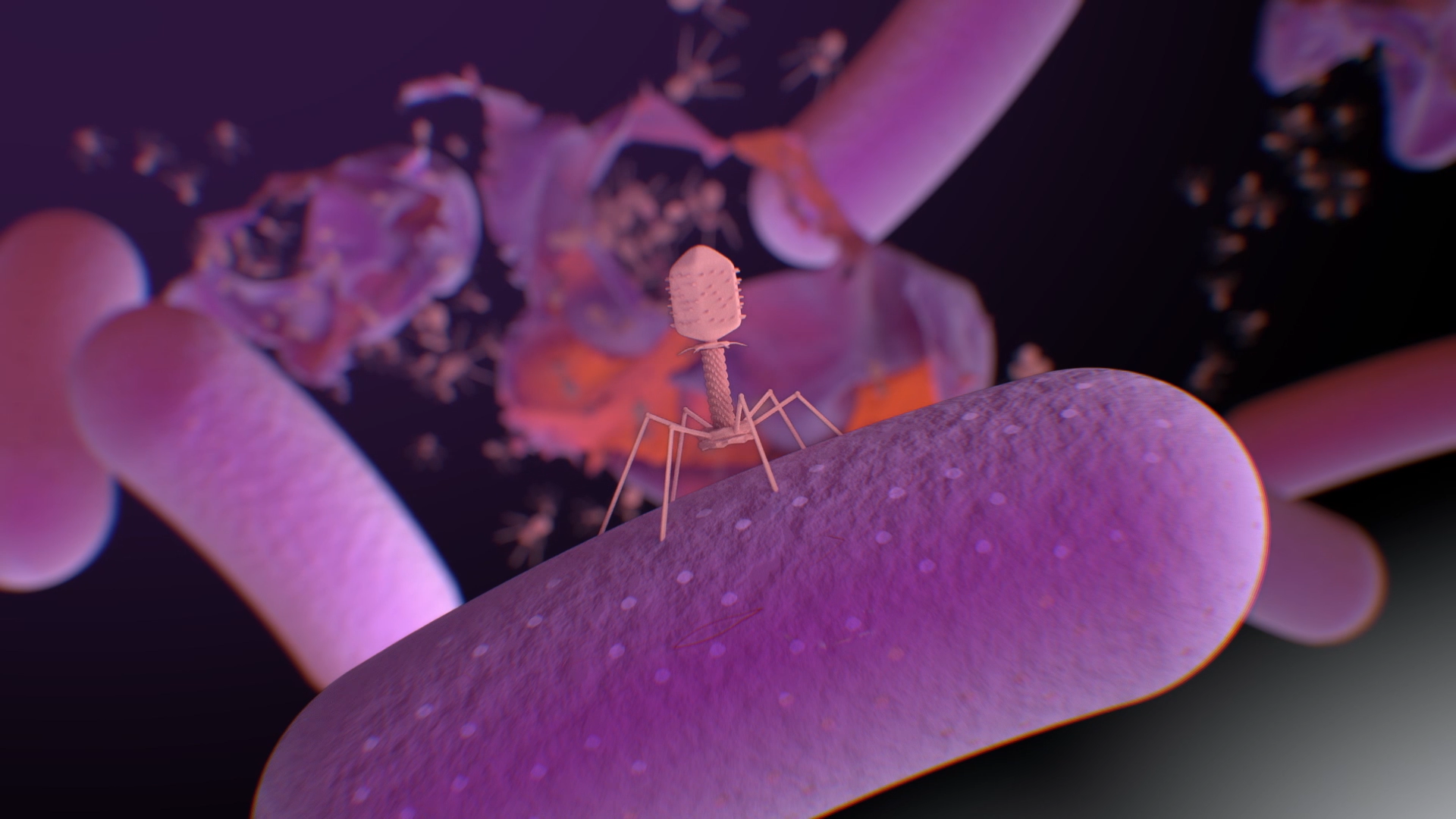
Meet the team at Phage WA, who are working to tackle antimicrobial resistance (AMR) through phage therapy.
Our team uses AI to quickly analyse large amounts of genetic data to help discover alternate medications and improve existing treatments.
As part of our research development and planning we invite members of the community to work with us. Click here to find out how.
If you have any questions or would like more information about the Western Australian Epithelial Research Program (WAERP), please click here to access our contact details.
The Kids Research Institute Australia and Dolly's Dream are proud to deliver Beacon - a cyber safety educational app designed to keep parents and carers up-to-date with trusted, tailored information, to help keep their kids safe online.
Beacon would not have been made possible without the generous support and collaborations of the following organisations.
We've provided some tips and strategies straight from the Beacon app for issues that families are commonly facing when navigating the online world.
Definitions of sexting vary but there is a general consensus that it involves ‘sexually explicit content communicated via text messages, smartphones, or visual and activities such as social networking sites’.
The question of whether or not parents should monitor their children’s social media often triggers a lot of follow up questions.
Parents and carers are often asking how to help manage screen time and especially avoiding 'techno tantrums' when asking children to stop using devices.