
Search

The visual representation of Teen Talk study findings
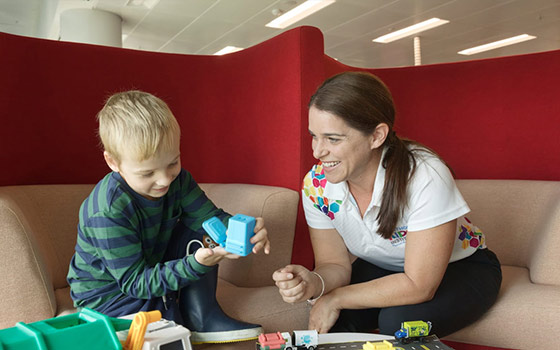
Our vision is to increase awareness and improve outcomes for children with movement disorders and other neurodevelopmental conditions impacting on motor function.
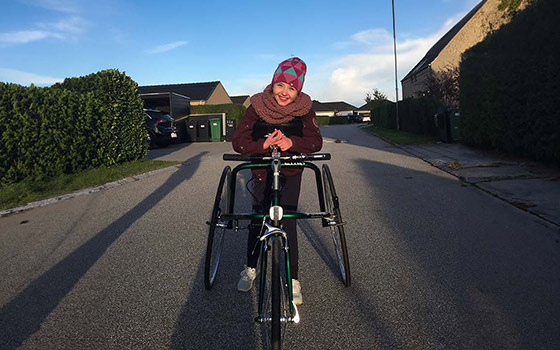
We aim to ensure that high quality outcome measures are available to evaluate treatments and services for children with disability rigorously. We aim to translate our research into resources to support families, carers and clinicians.

The Sibling Project focuses on the wellbeing, relationships and needs of children, adolescents and emerging adults who have a sibling with a developmental disability.
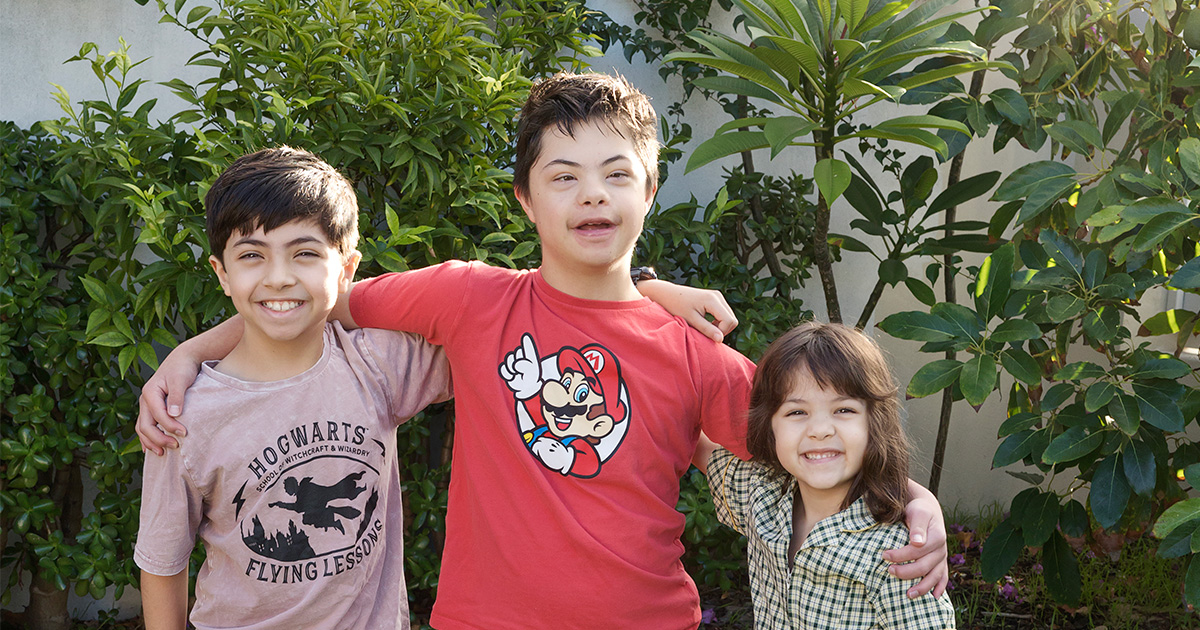
Developmental and epileptic encephalopathy (DEE) conditions are rare, and most have a genetic cause.
A severe neurodevelopmental disorder mostly affecting girls.
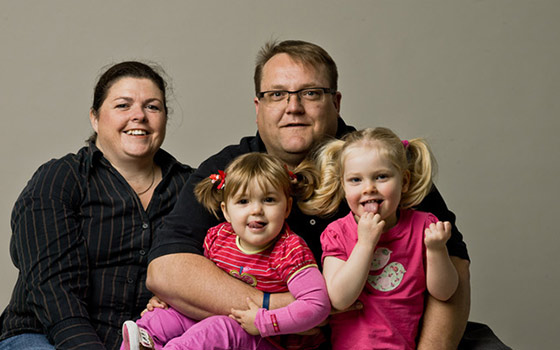
While individual diseases are rare, as a group, rare diseases are common. Recent estimates suggest that between 3% and 6% of the world’s population are affected by rare disease.
The development of research partnerships is a priority for InterRett, with centres or clinicians with access to large numbers of patients with Rett syndrome.
About 2 per cent of children are estimated to have an intellectual disability. The cause of the condition is unknown in at least 50 per cent of cases.