
Search
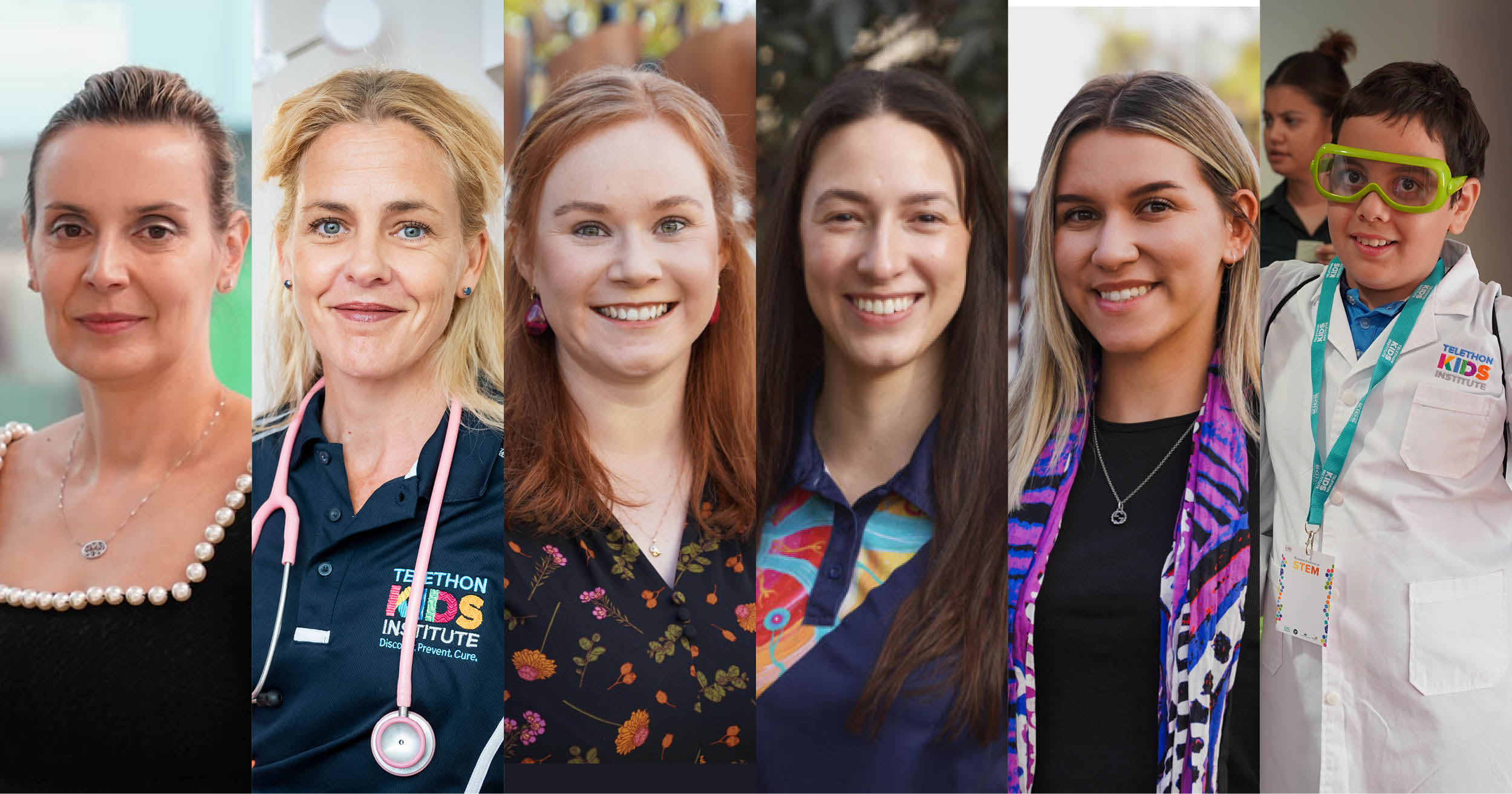
Five The Kids Research Institute Australia researchers and a popular Institute-led science festival for kids have been named as finalists in the 2024 Premier’s Science Awards.
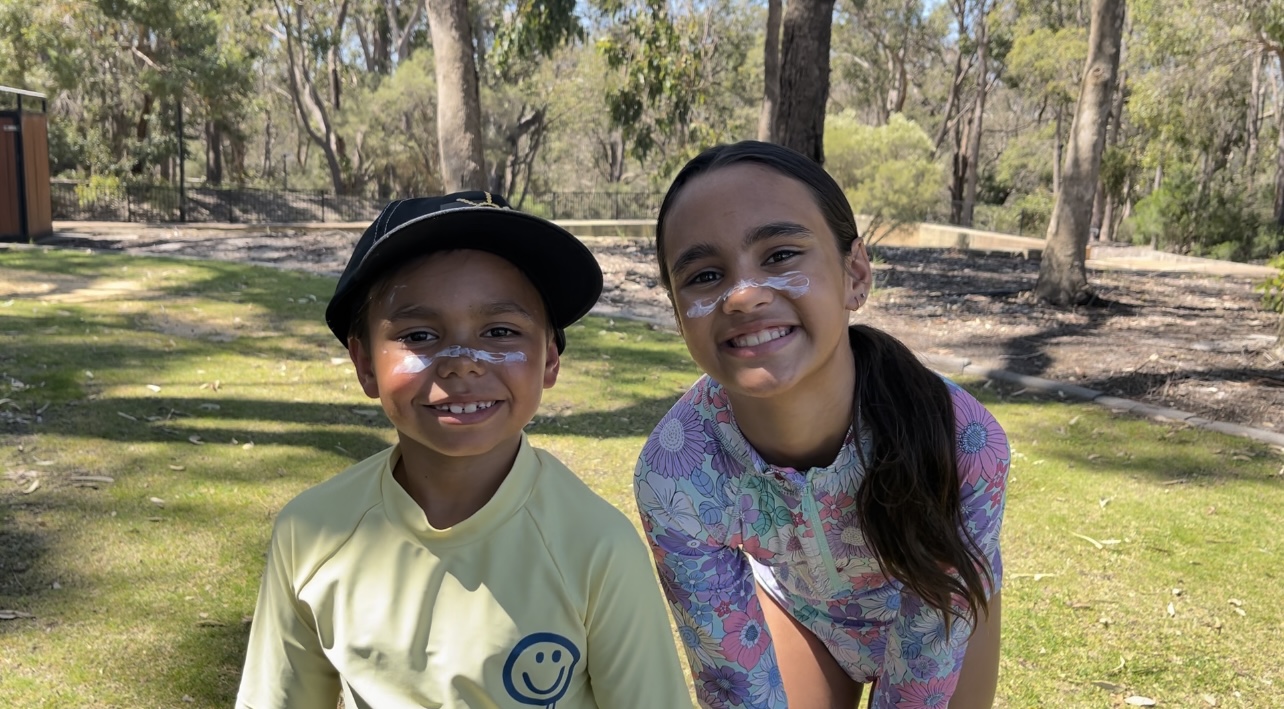
Vital research promoting sun smart choices and skin cancer prevention for young Aboriginal people is now underway at The Kids Research Institute Australia thanks to a $100,000 Perpetual 2024 IMPACT Philanthropy grant.
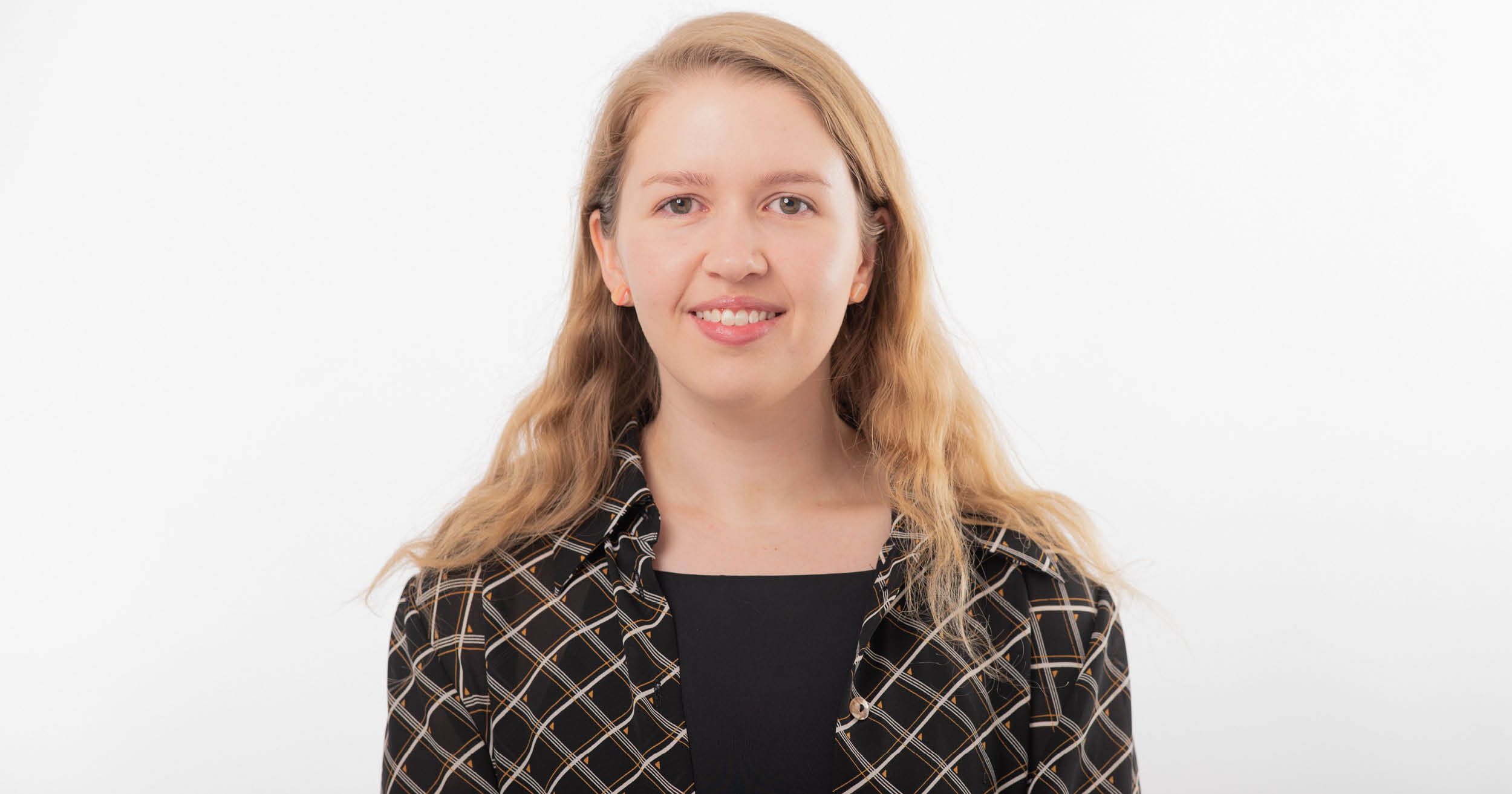
Despite national and global reports of rising incidences of cancer affecting children and young people, a new analysis has found rates of childhood cancer have remained unchanged over the last 30 years in South Australia and the Northern Territory.
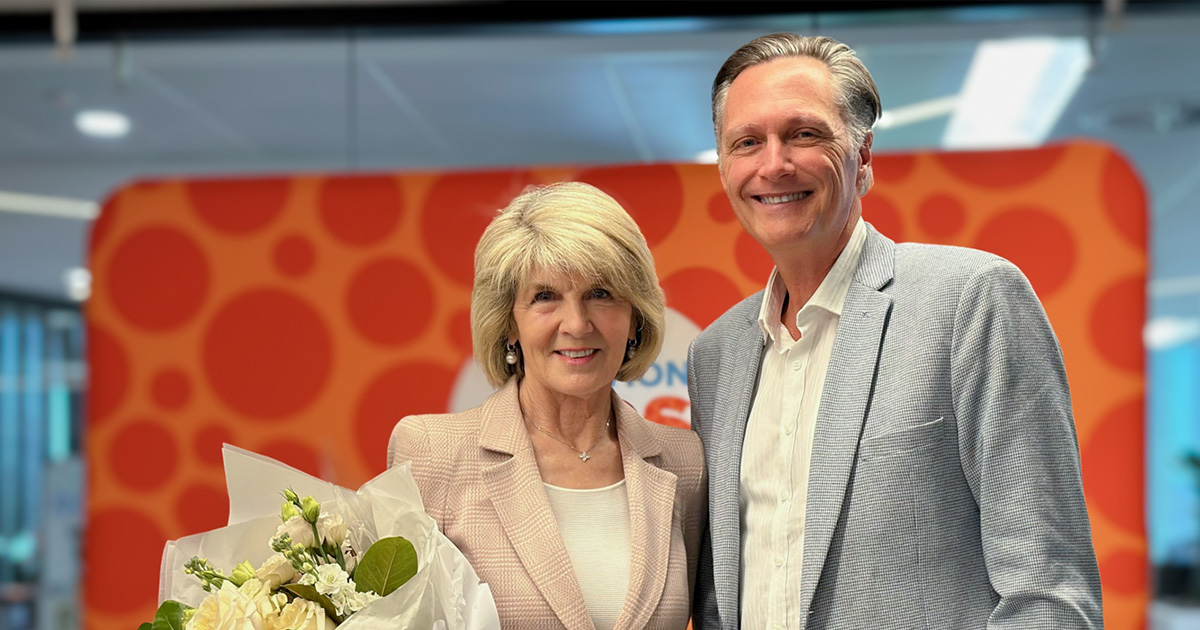
The Chair of The Kids Research Institute Australia, the Hon Julie Bishop, has stepped down after five years to allow her to focus on her critical role as the United Nations Secretary General’s Special Envoy on Myanmar.
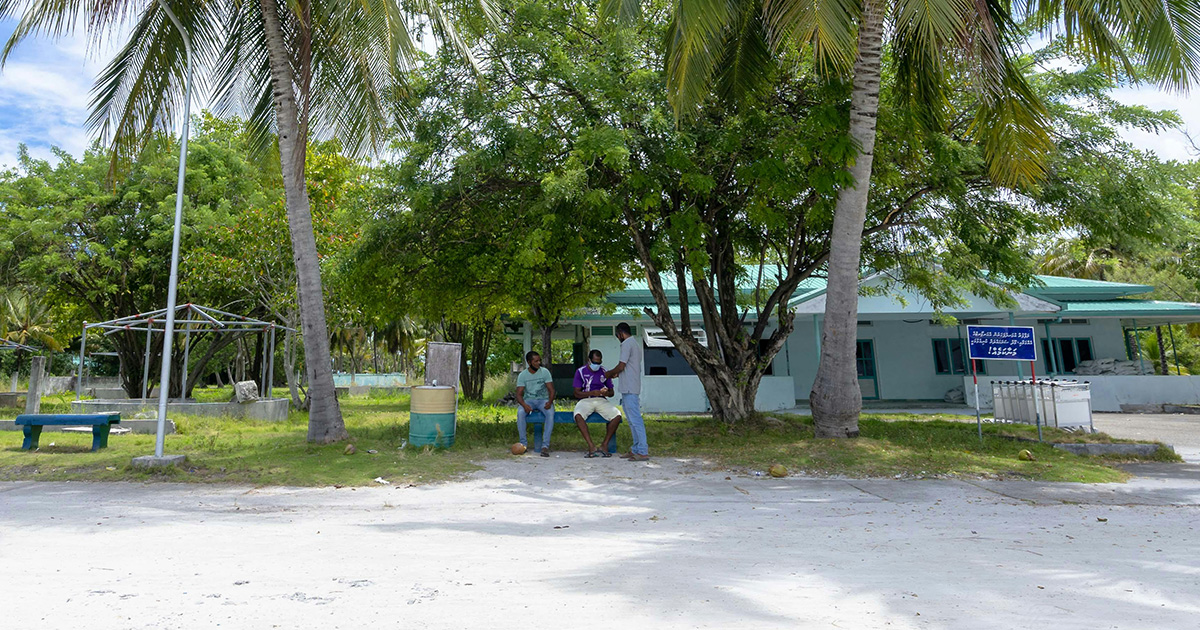
A team led by Dr Joseph Kado from the Wesfarmers Centre of Vaccines and Infectious Diseases, based at The Kids Research Institute Australia, and The University of Western Australia (UWA) has been awarded $5 million by the Federal Government in a major push to prevent rheumatic heart disease across the Pacific.
Congratulations to infectious diseases clinician-researcher Professor Asha Bowen, awarded a Medal of the Order of Australia (OAM) in the King’s Birthday Honours List for her service to medicine in the field of clinical diseases.
A world-first study involving more than 100 cancer researchers and clinicians across Australia – including from The Kids Research Institute Australia and Perth Children’s Hospital – has shown that precision medicine can significantly improve outcomes for children with high-risk cancer.
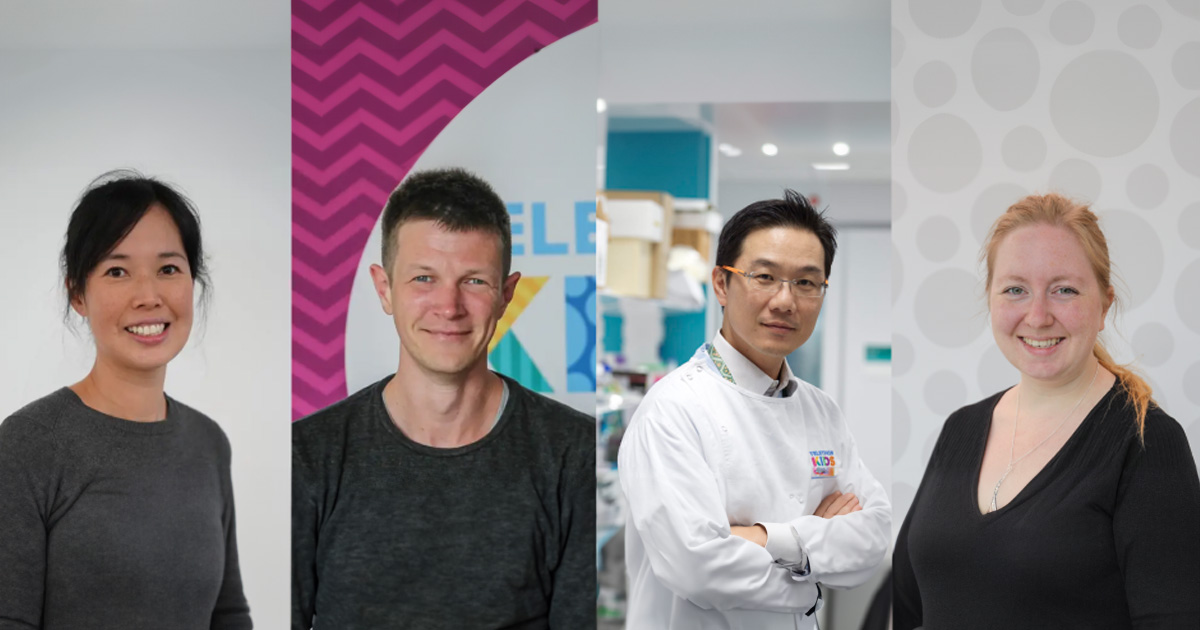
Congratulations to four outstanding The Kids Research Institute Australia researchers who have received funding designed to support researchers who have narrowly missed out on highly competitive national funding.
MEDIA ENQUIRIES Mailing list Discover. Prevent. Cure. Media Contacts Be Inspired About The Kids Please direct general enquiries to our reception on (
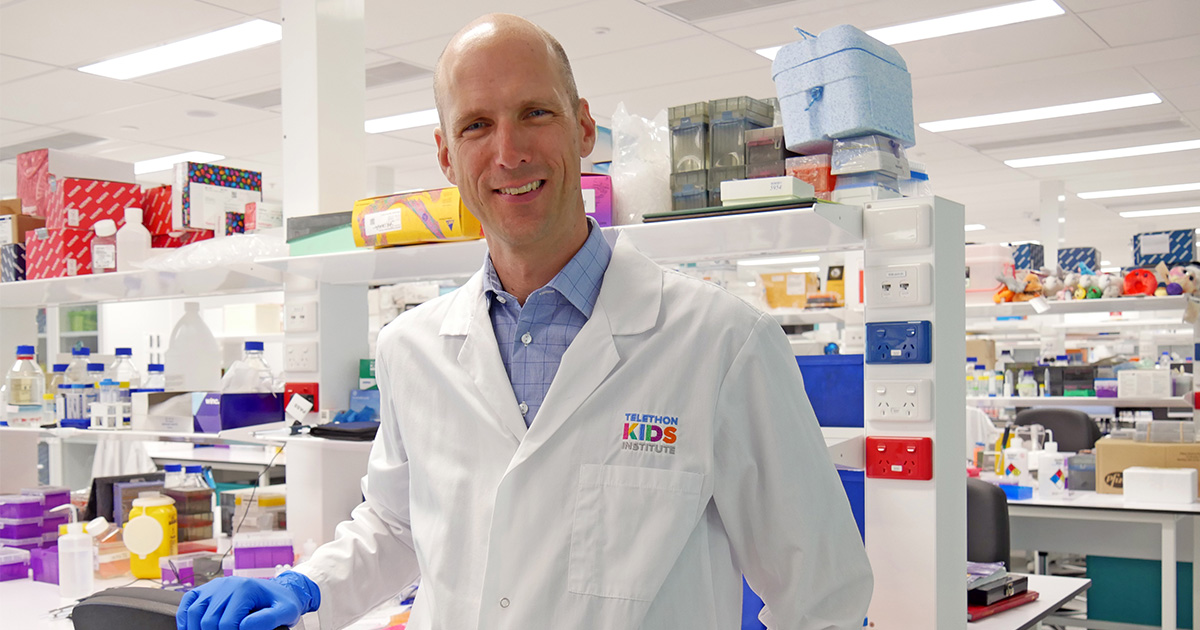
Researchers dedicated to developing the first cancer immunotherapy tablet have been boosted by a $374,000 CUREator top-up funding grant.