
Search
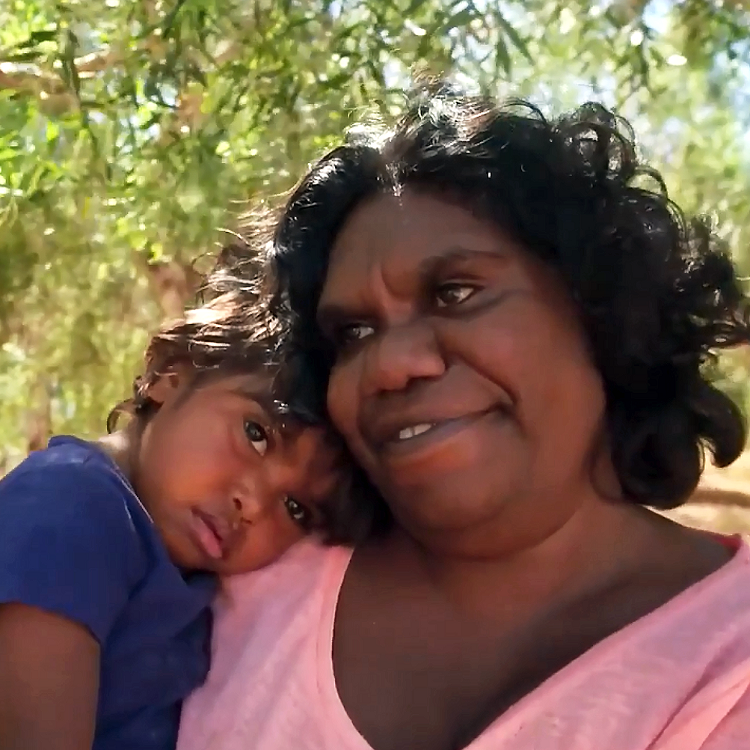
To mark International FASD Awareness Day, The Kids will launch a series of health promotion videos that feature local Aboriginal community members.
A The Kids Research Institute Australia researcher has been awarded $10,000 in State Government research support funding.

The Kids Research Institute Australia's Professor Carol Bower is not surprised by new research that shows alcohol use in pregnancy is 'common'.

Young Minds Matter is the second Australian Child and Adolescent Survey of Mental Health and Wellbeing.
Rising proportions of antimicrobial resistance (AMR) have been observed in both Staphylococcus aureus and Enterococcus spp. isolates.

More than two decades of research, modelling and collaboration to develop safe and effective RSV immunisations has led to a major Federal Government roll-out of a respiratory syncytial virus (RSV) immunisation program for all pregnant women and newborn babies in 2025.
Respiratory Syncytial Virus (RSV) causes a significant burden of illness for children under 2 years of age. Nirsevimab, a long-acting monoclonal antibody, was registered for RSV prevention in Australia in 2023. In April 2024, Western Australia (WA) launched the country's first state-wide nirsevimab program for all infants and high-risk children entering their second RSV season.
Detection of pneumonia-causing respiratory viruses in the nasopharynx of asymptomatic children has made their actual contribution to pneumonia unclear. We compared nasopharyngeal viral density between children with and without pneumonia to understand if viral density could be used to diagnose pneumonia.
Aminoglycosides are commonly prescribed to children with febrile neutropenia (FN) but their impact on clinical outcomes is uncertain and extent of guideline compliance is unknown. We aimed to review aminoglycoside prescription and additional antibiotic prescribing, guideline compliance and outcomes for children with FN.
The overarching goal of the Australian coronavirus disease 2019 (COVID-19) vaccination program has been to protect all people in Australia from the harm caused by the novel coronavirus SARS-CoV-2. This review reflects on the role of the Australian Technical Advisory Group on Immunisation (ATAGI) in the national COVID-19 vaccination program, in terms of the initial programmatic and clinical recommendations in the evolving context of evidence relating to the disease and vaccines, epidemiology, and the program rollout.