
Search
We are developing a gel that can be left behind in the wound bed after sarcoma surgery.
In this project, we are using systems biology approaches to map the wound healing response in sarcoma following surgery to identify new treatments that can prevent sarcoma relapse.
Peroxisome proliferator-activated receptor γ (PPARγ) is a prominent ligand-inducible transcription factor involved in adipocyte differentiation, glucose homeostasis, insulin sensitivity, inflammation, and cell proliferation, making it a therapeutic target for diabetes, metabolic syndrome, autoimmune diseases, and cancer.
The success of cancer immunotherapies has highlighted the importance of monitoring the anti-tumour T cell response. Patients with mesothelioma frequently present with a malignant pleural effusion (MPE) that is commonly drained regularly to alleviate symptoms. As MPE contains tumour cells, T cells and cytokines, it provides a unique opportunity to sample immune events at the tumour site.

Senior Research Fellow
Cross-presenting dendritic cells (DC) offer an attractive target for vaccination due to their unique ability to process exogenous antigens for presentation on MHC class I molecules. Recent reports have established that these DC express unique surface receptors and play a critical role in the initiation of anti-tumor immunity, opening the way for the development of vaccination strategies specifically targeting these cells.
Cancer vaccination drives the generation of anti-tumor T cell immunity and can be enhanced by the inclusion of effective immune adjuvants such as type I interferons (IFNs). Whilst type I IFNs have been shown to promote cross-priming of T cells, the role of individual subtypes remains unclear. Here we systematically compared the capacity of distinct type I IFN subtypes to enhance T cell responses to a whole-cell vaccination strategy in a pre-clinical murine model.
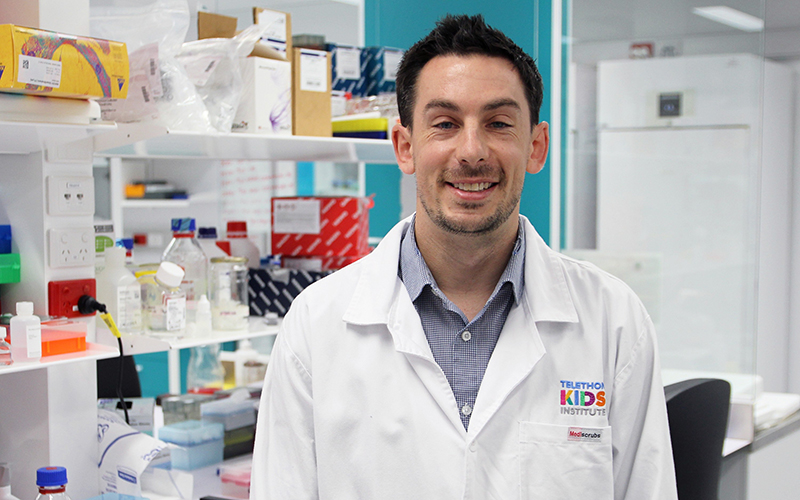
Cancer Council WA has awarded a Post-Doctoral Fellowship to Dr Ben Wylie, for his project to help kids with sarcoma.

A study by The Kids Research Institute emphasizes the need to measure oxygen levels in children with pneumonia, revealing that symptoms alone may miss critical hypoxia cases.
PICOBOO is a randomised, adaptive trial evaluating the immunogenicity, reactogenicity, and safety of COVID-19 booster strategies. We report data for second boosters among individuals 50-<70 years old primed with AZD1222 (50-<70y-AZD1222) until Day 84.