
Search
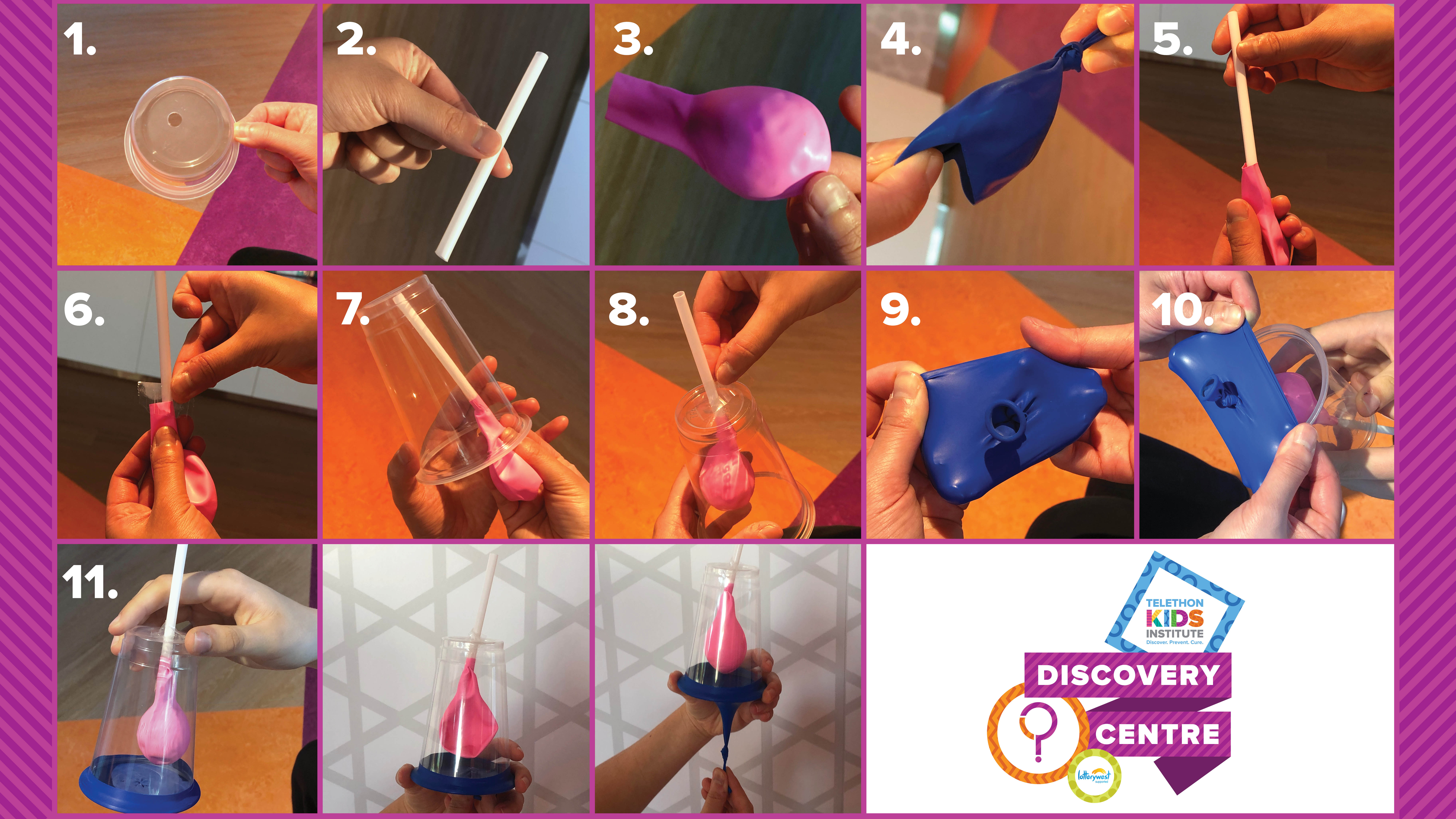
Have you ever wondered how your lungs work? Researchers from our Children’s Lung Health Team show you how to make a simple lung model by using common household items.
The Sore Throat Study is looking for healthy children and young people to take part in a new study investigating sore throats, also known as pharyngitis, and how best to prevent them.
Contact the ASAVI team
Representing a 30-year interdisciplinary collaboration between The Kids, Perth Children’s Hospital, and WA Universities, the combined global impact of work from this Centre over the last 10 years has equalled some of the most influential paediatric centres around the world.
The Respiratory Physiology Platform at the Wal-yan Respiratory Research Centre offers access to specialist equipment housed within the outpatient research department at Perth Children’s Hospital, dedicated for research use.
The Respiratory Physiology Platform at the Wal-yan Respiratory Research Centre offers access to specialist equipment housed within the outpatient research department at Perth Children’s Hospital, dedicated for research use.
Please contact the team early (at the stage of project design and budgeting) to ensure the most appropriate physiological test is selected with adequate funding.
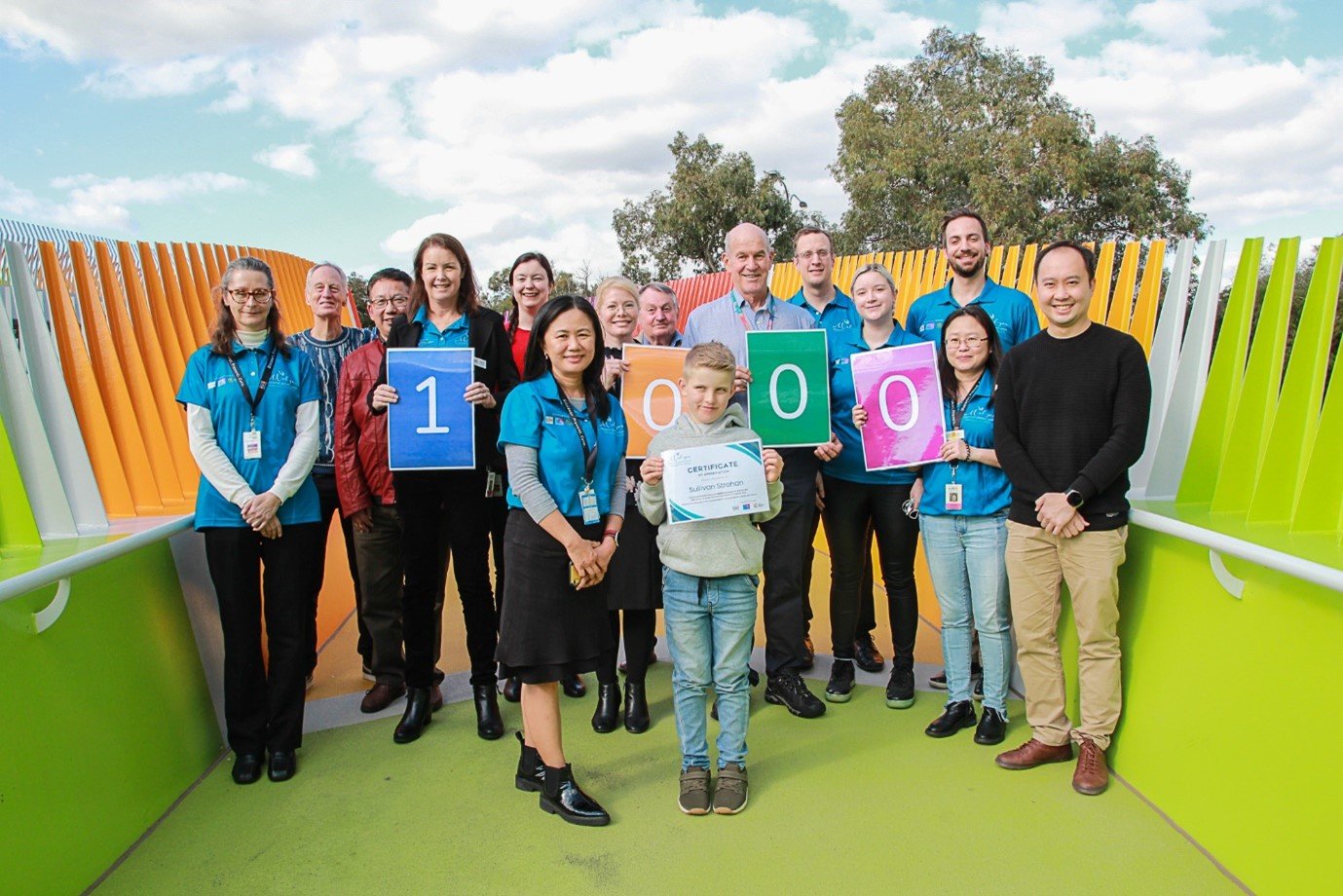
Our Children’s Respiratory Science team is currently seeking research buddies to provide a community perspective on research into childhood asthma attacks.
The Wal-yan Centre’s Annual Reports highlight the achievements of our researchers, which bring us closer to our vision to ensure that all children have healthy lungs for life.
Learn more about the supporters of the Wal-yan Respiratory Centre