
Search
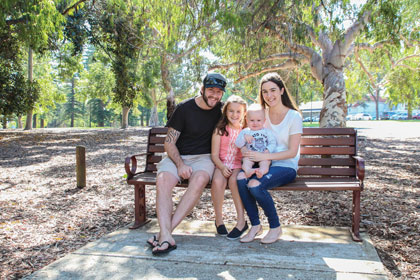
Michelle Pianta knew deep down something was very wrong with her seven-and-a-half month old son Jackson as she waited at Bunbury Hospital for his blood results.
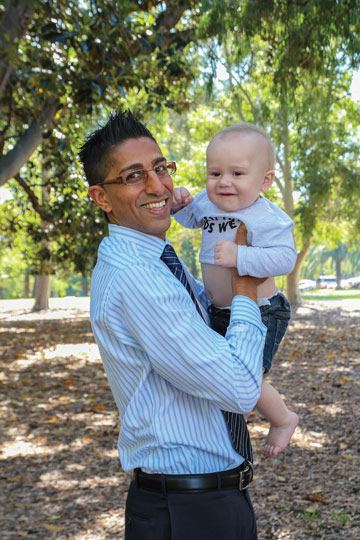
Dr Rishi Kotecha knows too well the devastation of a leukaemia diagnosis in a child, treating children as a consultant at Princess Margaret Hospital.
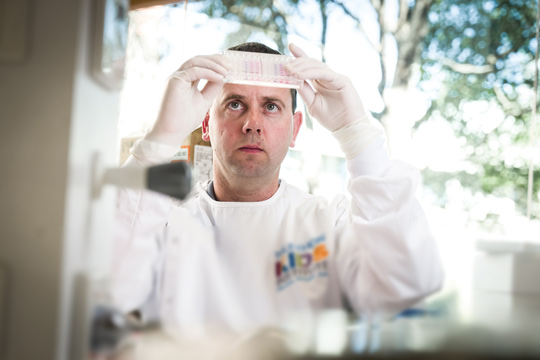
In an exciting breakthrough for cancer treatment, a new weapon to enable the immune system to combat the disease may have been unlocked.
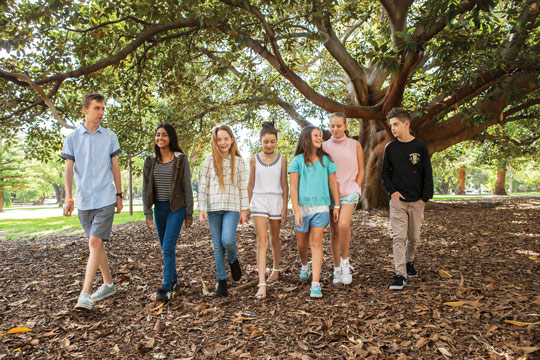
The need for a WA Youth Health Policy has been evident for years. Now, with The Kids Research Institute Australia helping to drive the project, it is coming to fruition.
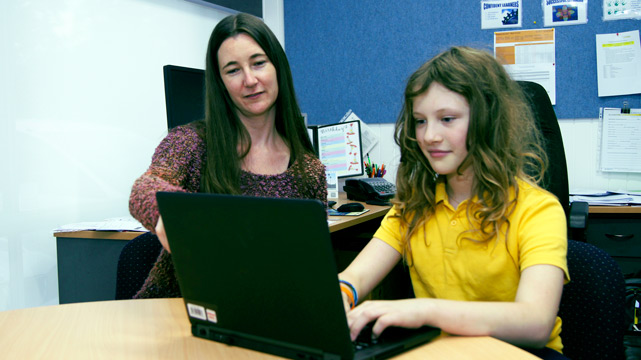
A team of researchers passionate about the social and emotional wellbeing of children have been refining a survey questionnaire.
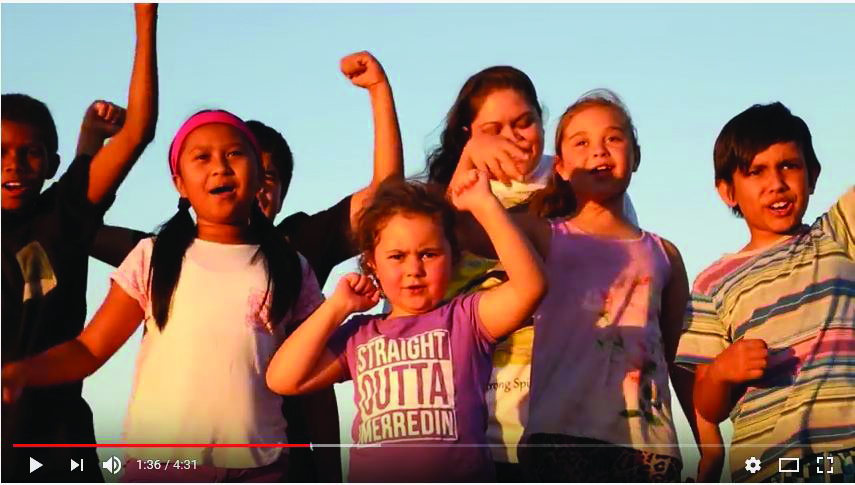
An innovative program set to run for about two and a half years aims to halve the number of children affected by skin infections.
Expected to shine a light on hidden harm from alcohol use during pregnancy, Australia’s first national FASD diagnostic tool has been developed by the Institute.
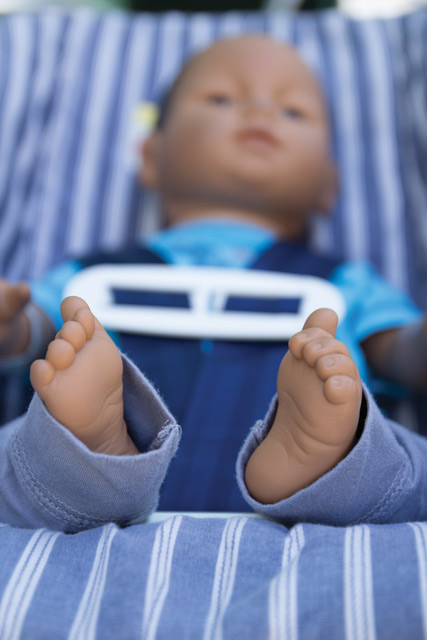
These infant simulators are given to high school students to take care of as part of a teen pregnancy prevention program known as Virtual Infant Parenting.
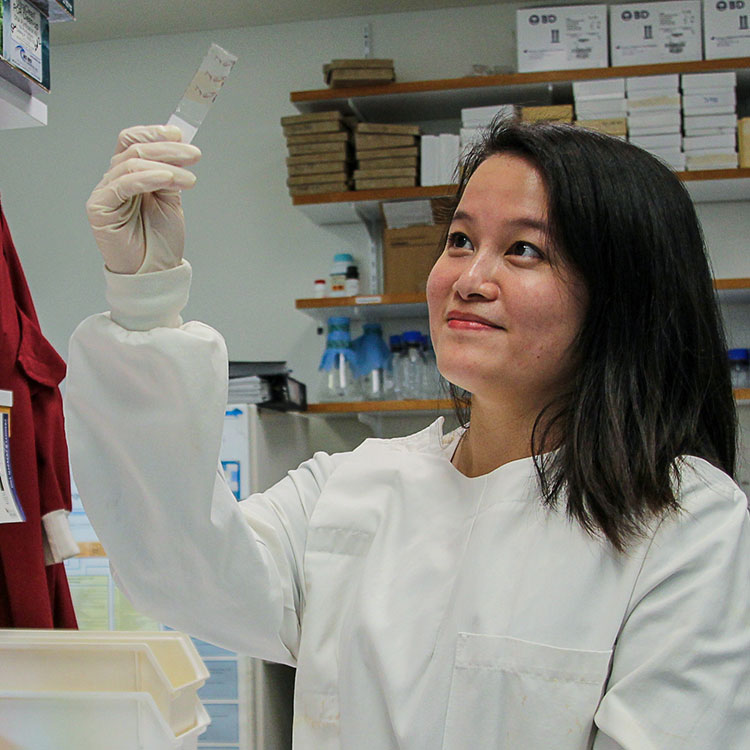
The Kids Research Institute Australia researchers have been awarded five of eight State Government awards designed to help cover the hidden costs of conducting research.
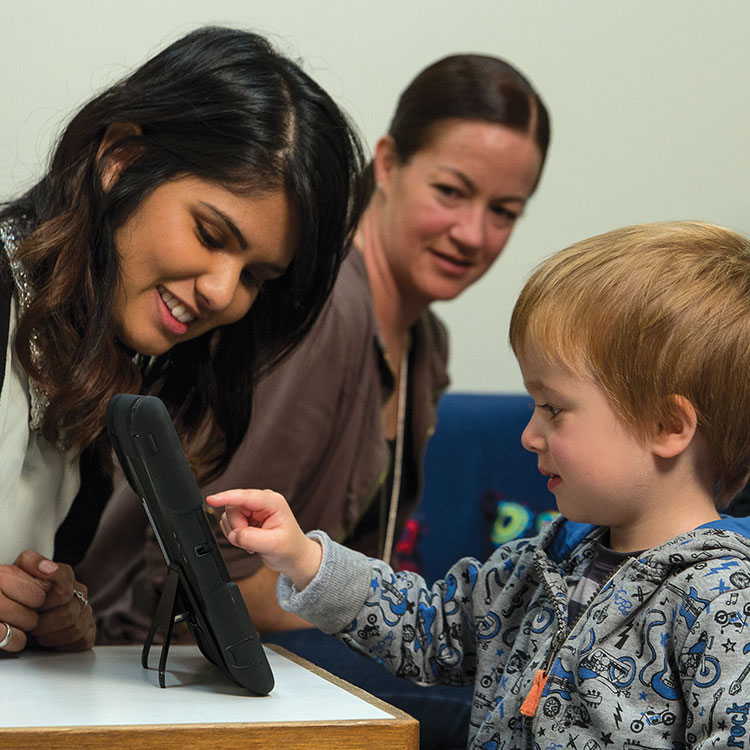
A The Kids Research Institute Australia study has shown that in addition to intervention with trained therapists, children with autism may benefit from app-based therapies.