
Search
Bushfires can have a considerable impact on our physical and mental health, with some symptoms lasting long after the blaze is extinguished. And our children are amongst the most vulnerable.
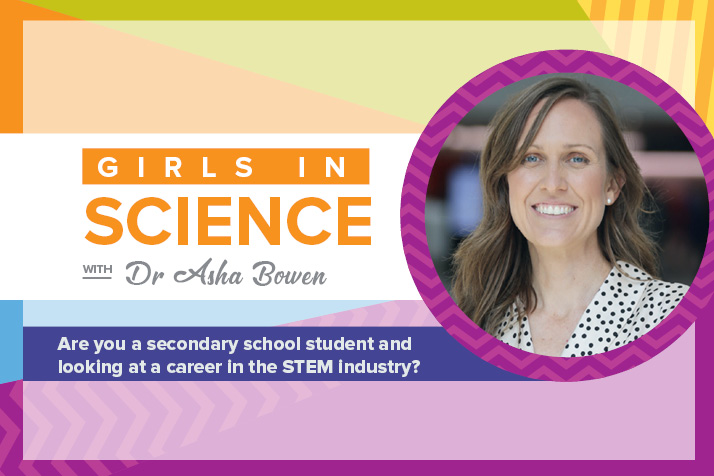
Secondary students have the opportunity to hear from Associate Professor Asha Bowen, a 2018 L’Oreal-UNESCO Women in Science Fellow, in a free online event this National Science Week.
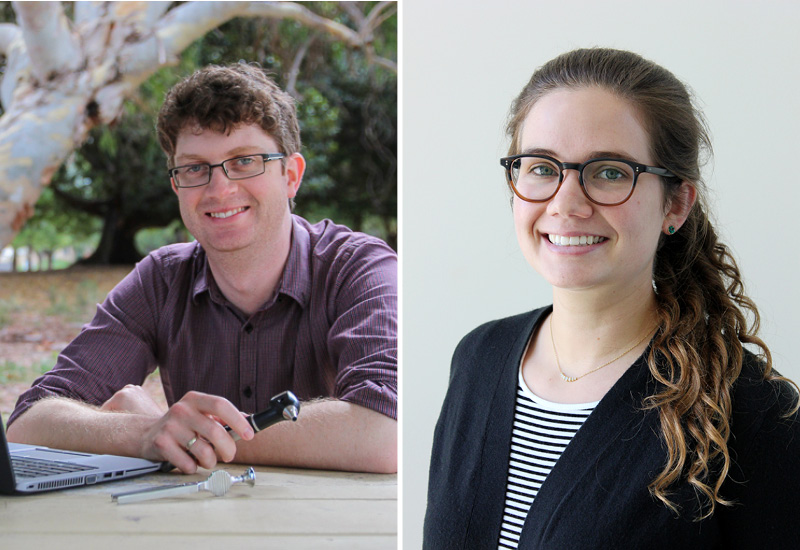
Two The Kids Research Institute Australia researchers have been named as finalists in the 2020 Western Australian Premier’s Science Awards.
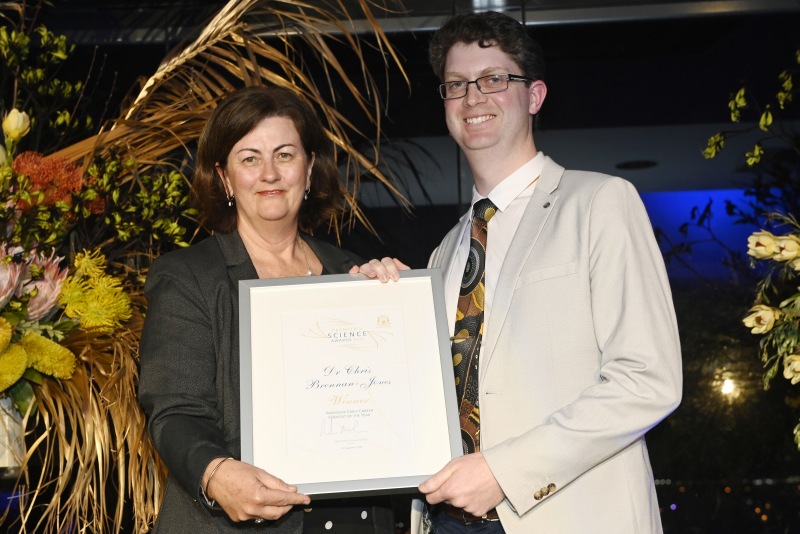
Congratulations to Telethon Kids Institute researcher Dr Chris Brennan-Jones who was named Woodside Early Career Scientist of the Year at last night’s 2020 Premier’s Science Awards.
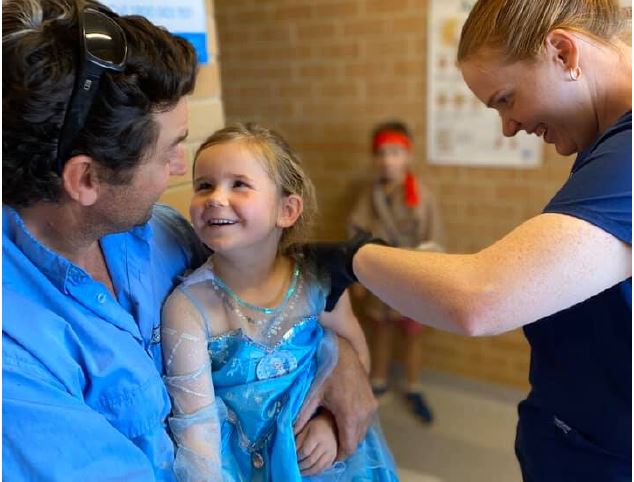
Infectious disease researchers who used a decade of scientific evidence to advocate for a nationwide childhood influenza immunisation policy have earned a finalist position at the country’s most prestigious science awards – the Australian Museum Eureka Prizes.
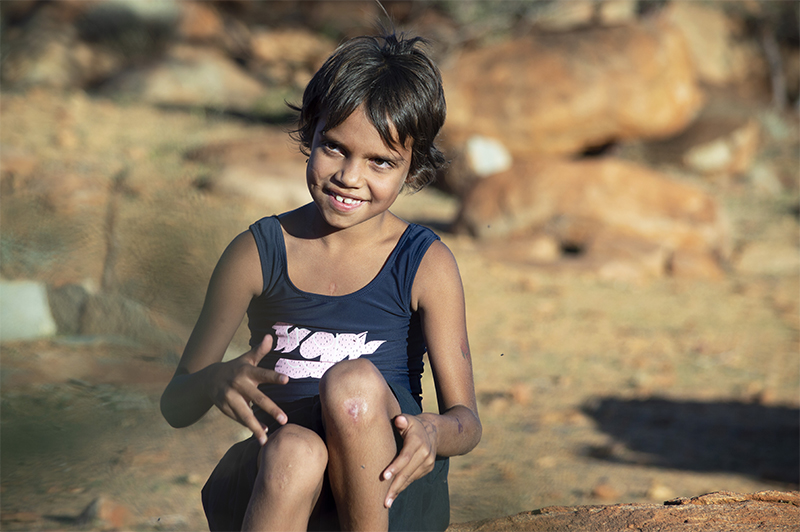
Rheumatic heart disease, a deadly yet entirely preventable heart disease taking the lives of Aboriginal and Torres Strait Islander people, is finally on the verge of elimination thanks to new research
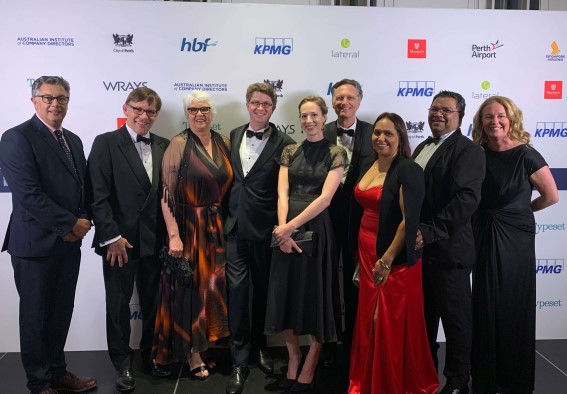
Dr Chris Brennan-Jones received the Woodside STEM Award for Excellence in Science at the prestigious 40Under40 Awards.

Australian parents have a new weapon in the battle to keep their kids safe online with the launch of ‘Beacon’.

An audit of outdoor food advertising near Perth schools has found that three-quarters of the promotions were for junk food and alcohol.
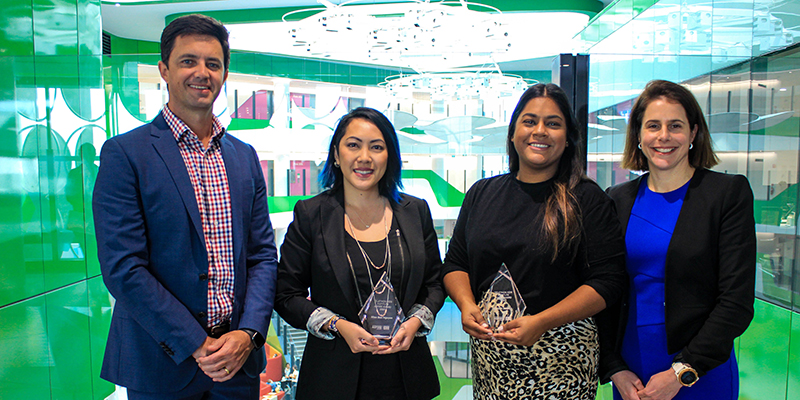
Two of The Kids Research Institute Australia’s best and brightest will share in $10,000 of funding to use for investment in their professional growth through attendance at an international conference, when safe to do so.