
Search
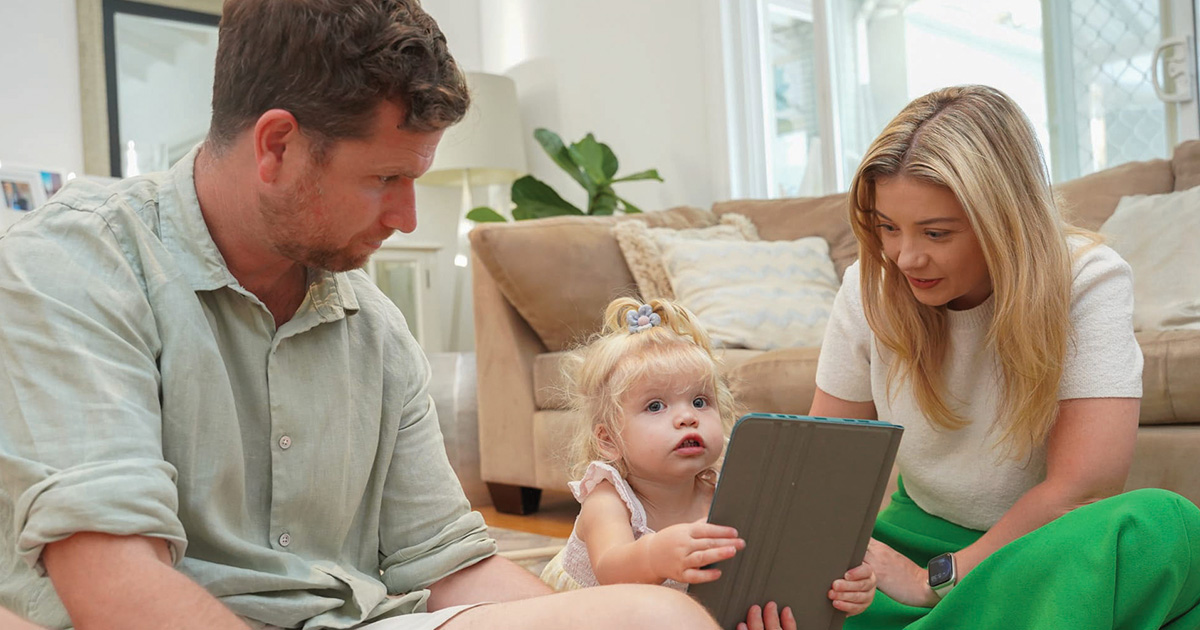
Toddlers exposed to screen time at home are hearing fewer words and making fewer vocalisations, findings from the first longitudinal study to measure the relationship between family screen use and children’s language development have shown.
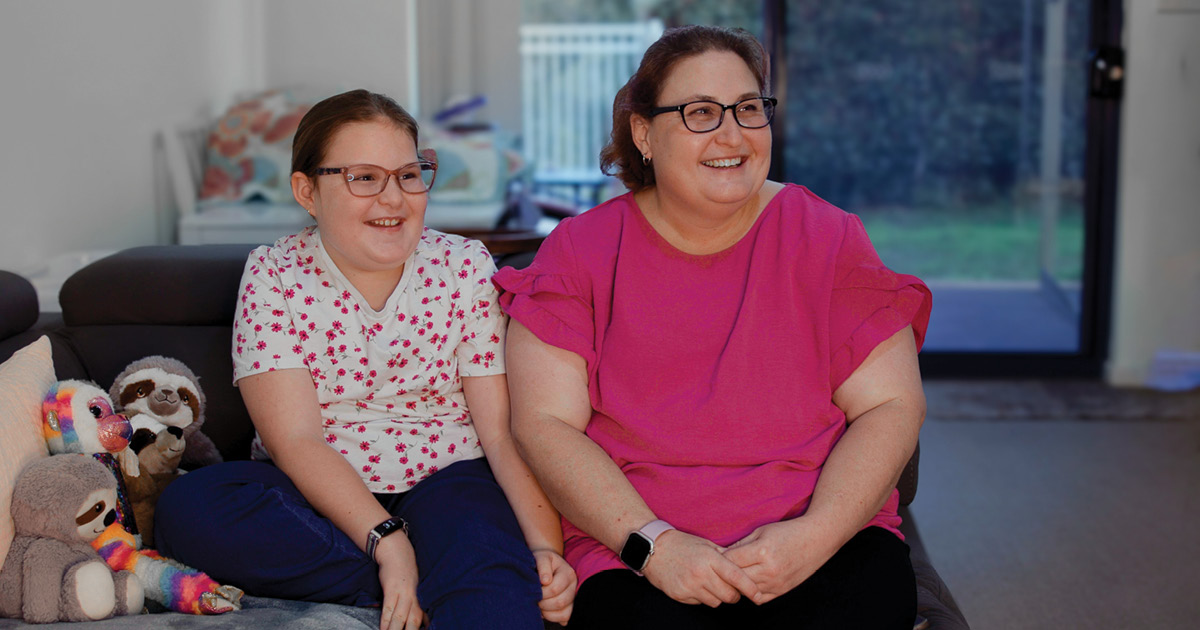
Helping children build resilience and cope with the trauma associated with medical emergencies and chronic health conditions is the focus of a promising pilot program being undertaken by The Kids Research Institute Australia.
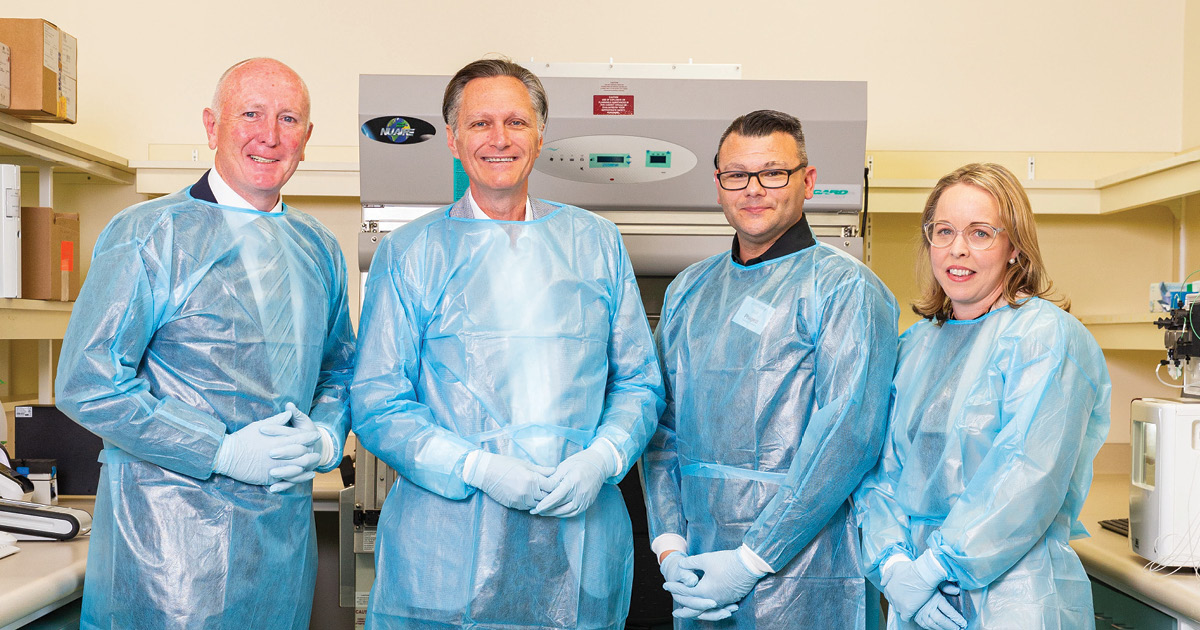
Western Australia’s first bacteriophage manufacturing facility has been opened in a significant development that brings patients battling antibiotic-resistant infections a step closer to life-saving phage therapy.
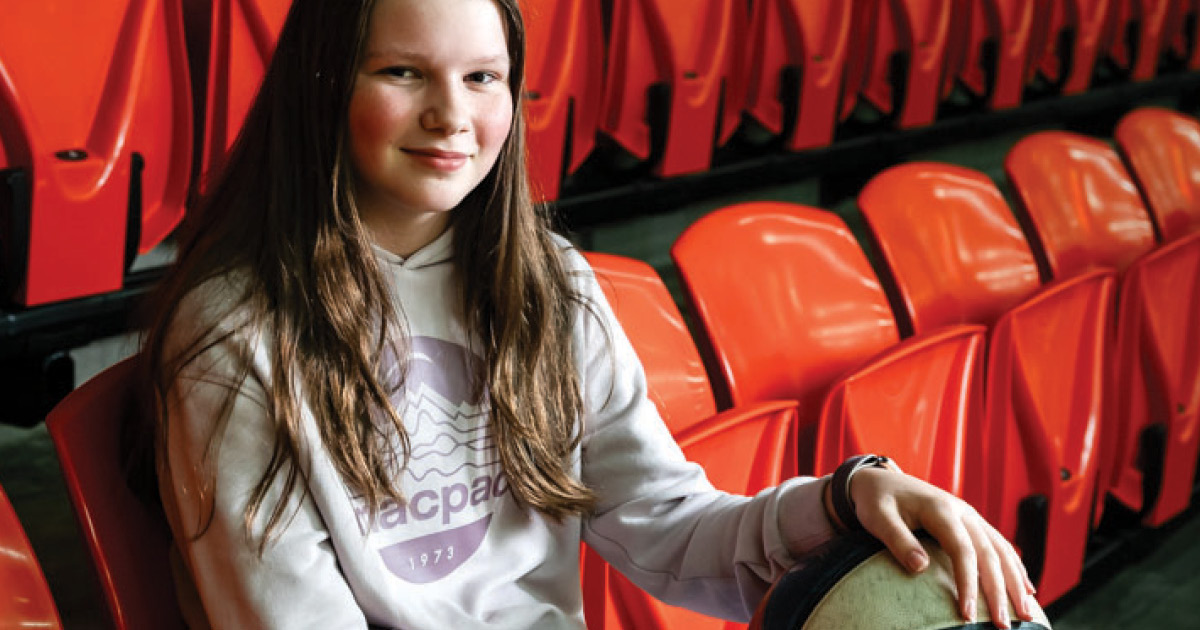
Sports coaches across Australia can now access WA-designed sport resources, which aim to help coaches better understand type 1 diabetes (T1D) and encourage children living with the condition to stay in sport.
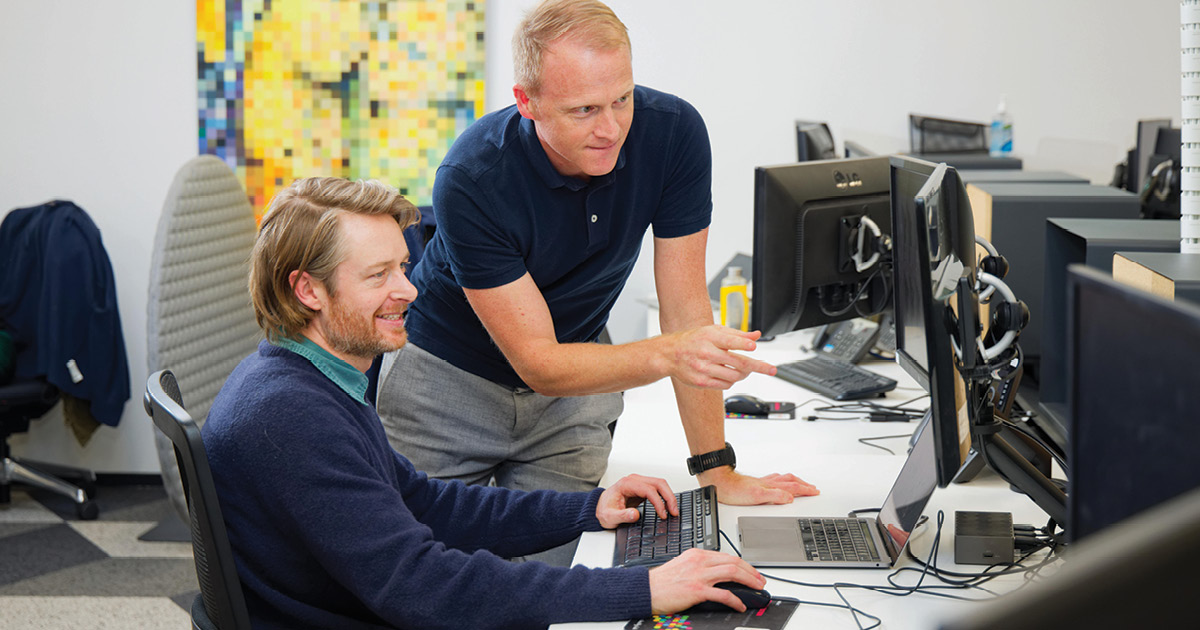
Nearly 170 years ago a British doctor applied geospatial mapping to identify the source of a cholera outbreak in central London.
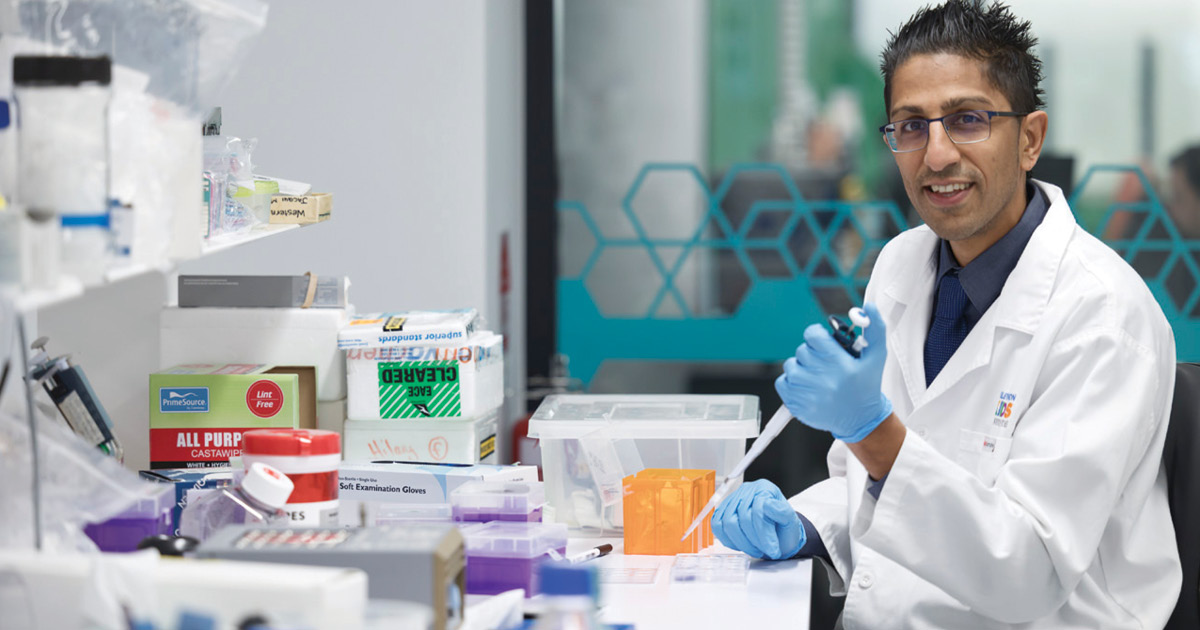
A pilot clinical study has found an immunotherapy drug can dramatically increase survival rates for babies with a rare form of leukaemia, paving the way for a major international clinical trial.
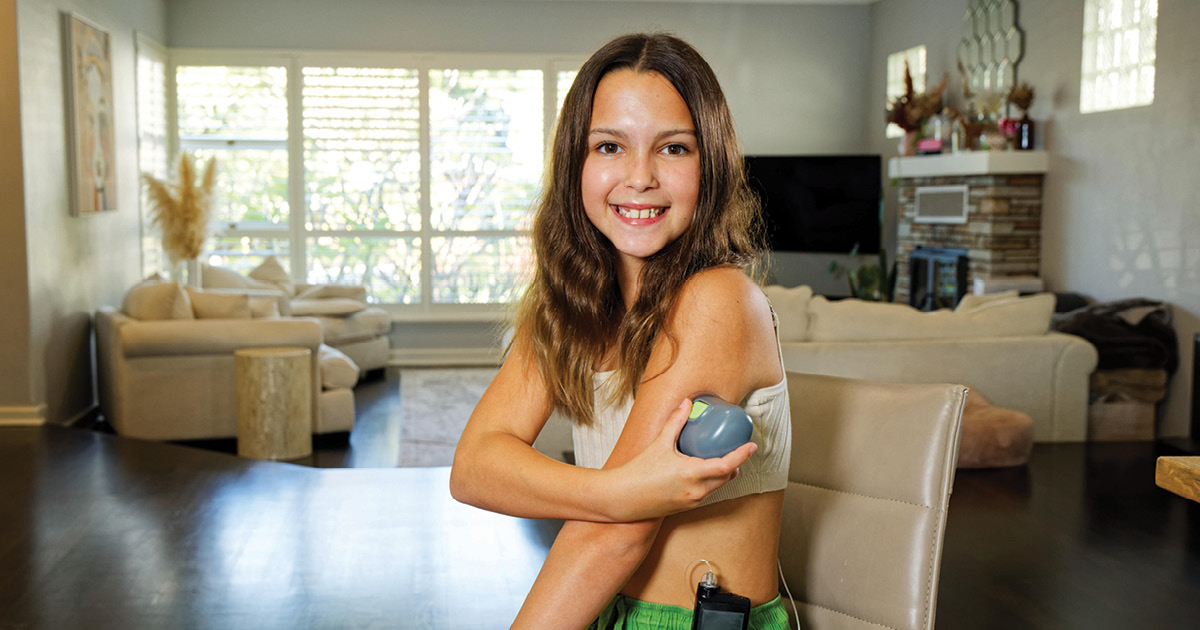
Imagine living with a condition that requires you to make approximately 180 health- related decisions every day for the rest of your life.
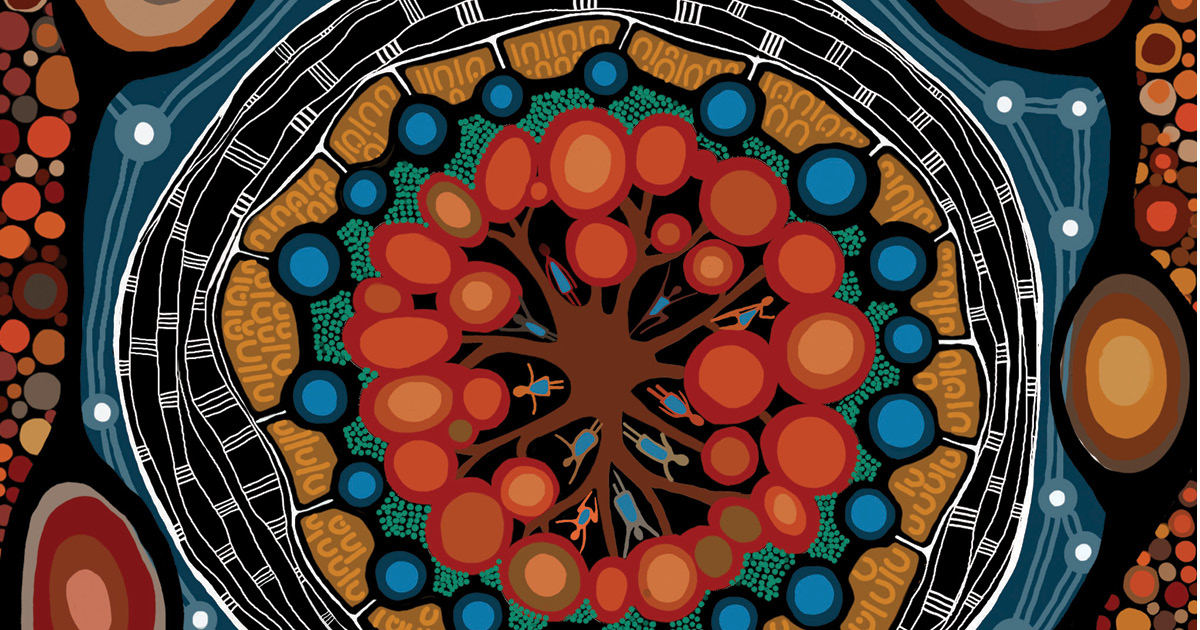
Life imitates art in a new project that seeks to entrench cultural safety for young Aboriginal and Torres Strait Islander people into WA’s mental health system.
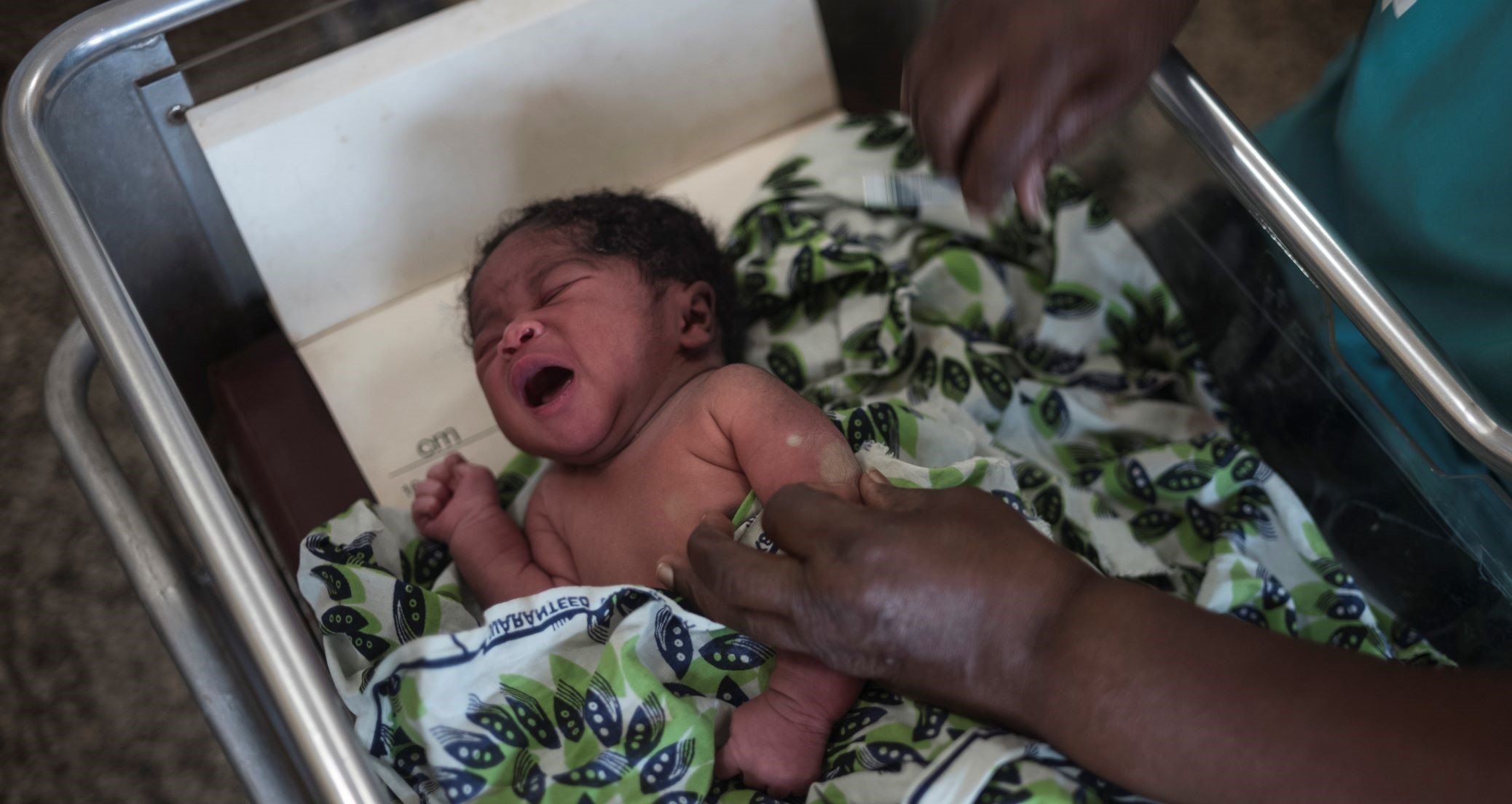
The veteran tuberculosis vaccine BCG has puzzled scientists for decades. Now, The Kids researchers have not only unlocked part of the secret to its success in saving the lives of newborns, but they’re at the forefront of global efforts to test its ability to fight COVID-19.
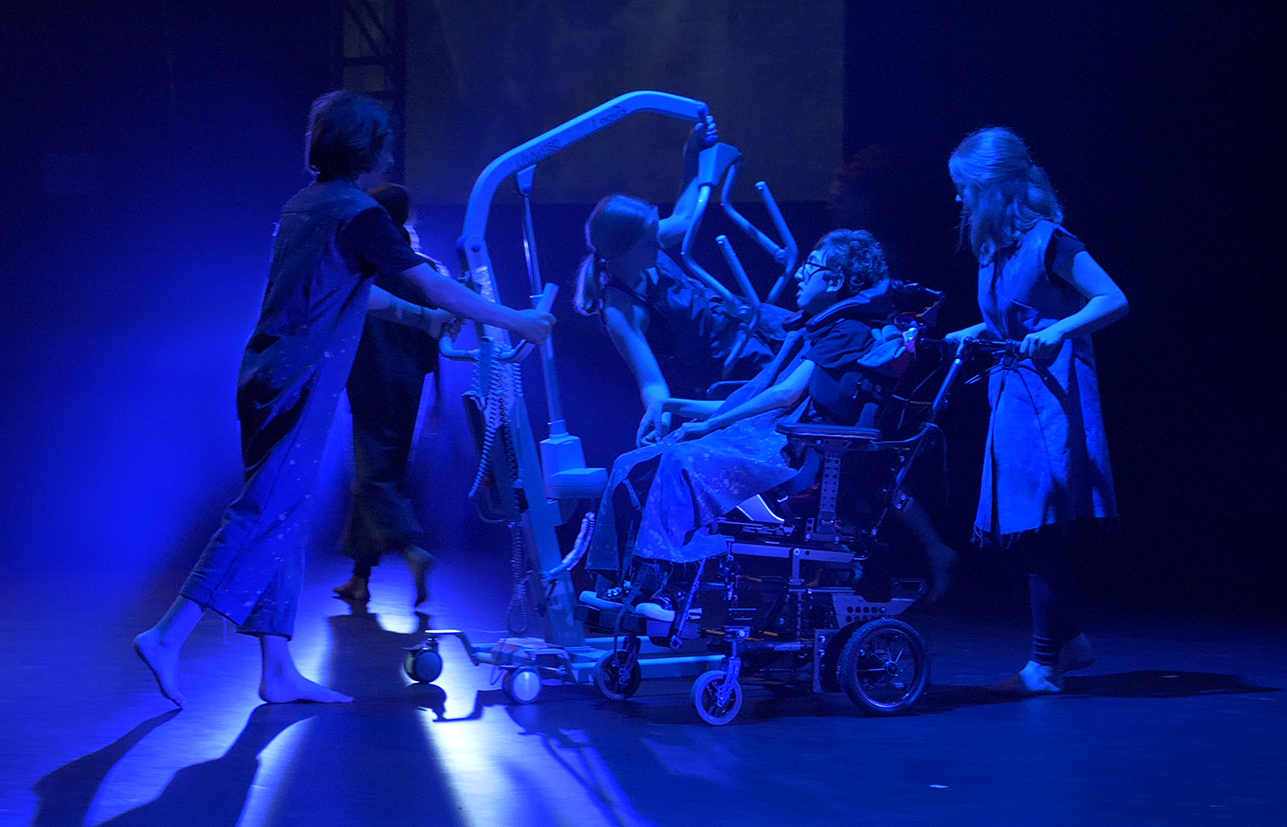
A quality of life tool developed by disability researcher Jenny Downs is helping to reveal the difference specific interventions can make to the lives of children and families living with disability.