
Search
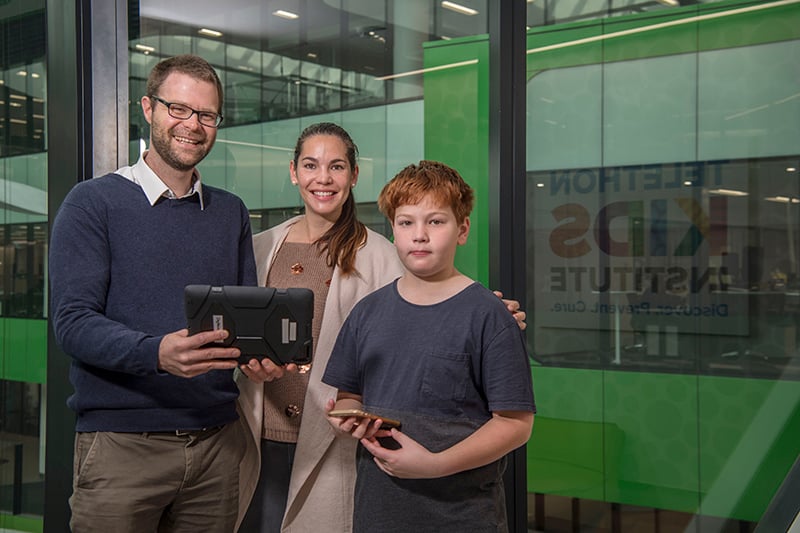
Professor Andrew Whitehouse and the Autism team at The Kids are working with Joondalup Health Campus as part of ORIGINS to gain greater insight into how the brain develops in children who have difficulties with language.
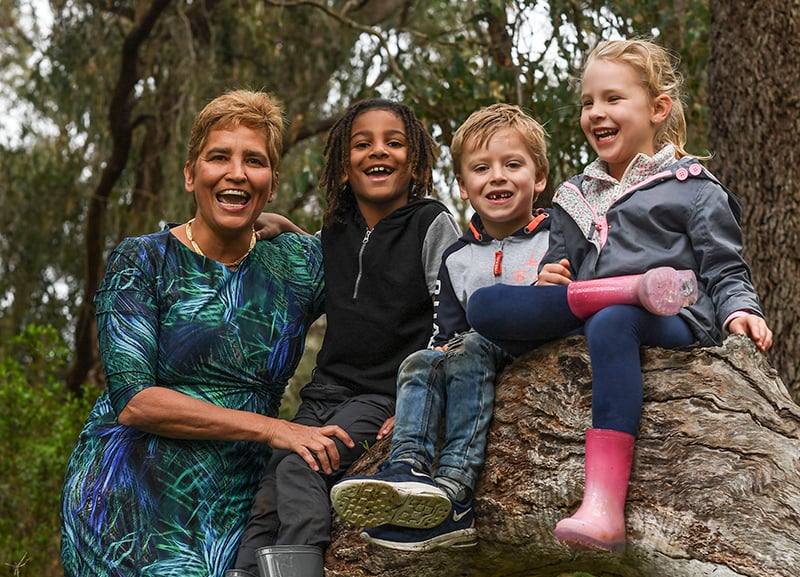
ORIGINS is investigating the influence of nature, from pregnancy through the early years of childhood and its impact on later health, as part of the nature relatedness study.

While learning language is a lifelong journey, the first few years of life are especially important. So how do you know if your child’s language is on track?
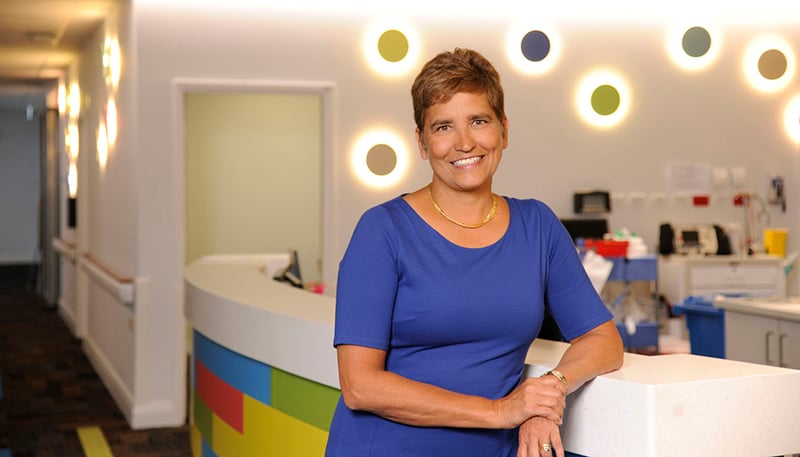
Three local legends who are changing the world have been named as this year’s WA Rising Stars – including the ORIGINS Project Co-director and head of paediatrics at Joondalup Health Campus, Professor Desiree Silva.
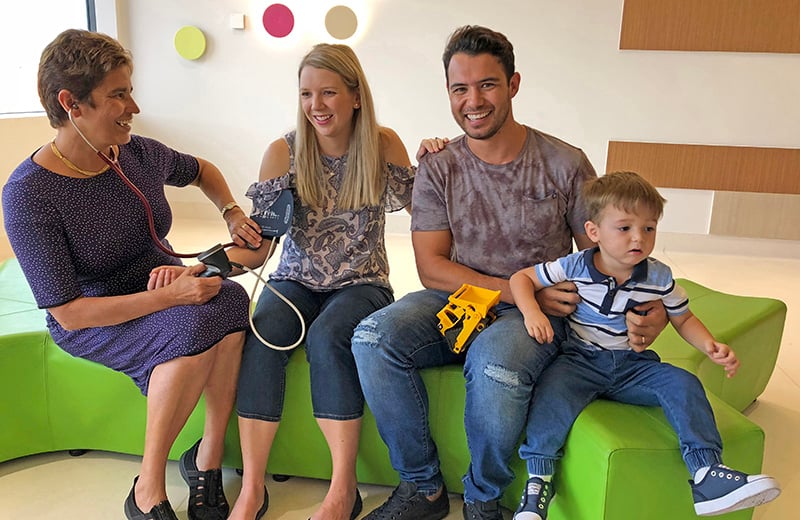
Professor Desiree Silva with the 1000th family - Jess, Michael and Eli The multimillion-dollar ORIGINS Project, an extensive community-based research
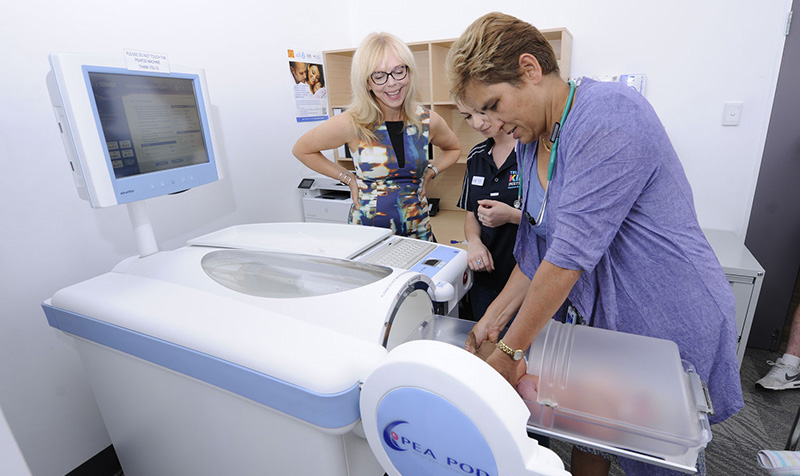
The key to being well may be in your micriome. But do you even know what it is?

We know it isn't always easy to sneak meat and vegetables into fussy kids' diets - so we've compiled our favourite iron-rich recipes your kids will be begging you to make again!
The episode investigates the alarming rise in early-onset adult cancers and the research efforts to understand why and what Australia can do the reduce its diagnoses.
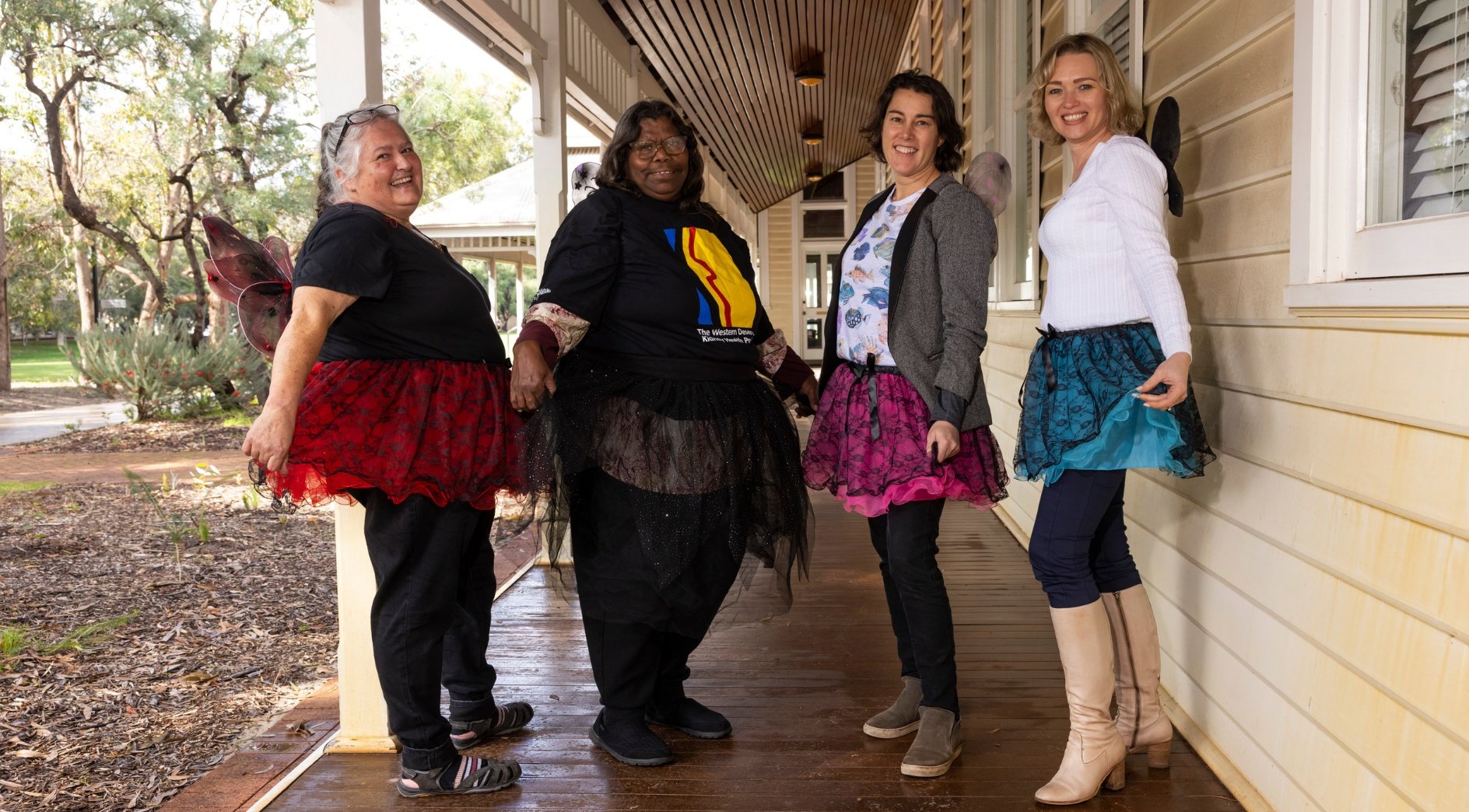
Tackling tooth health in regional WA
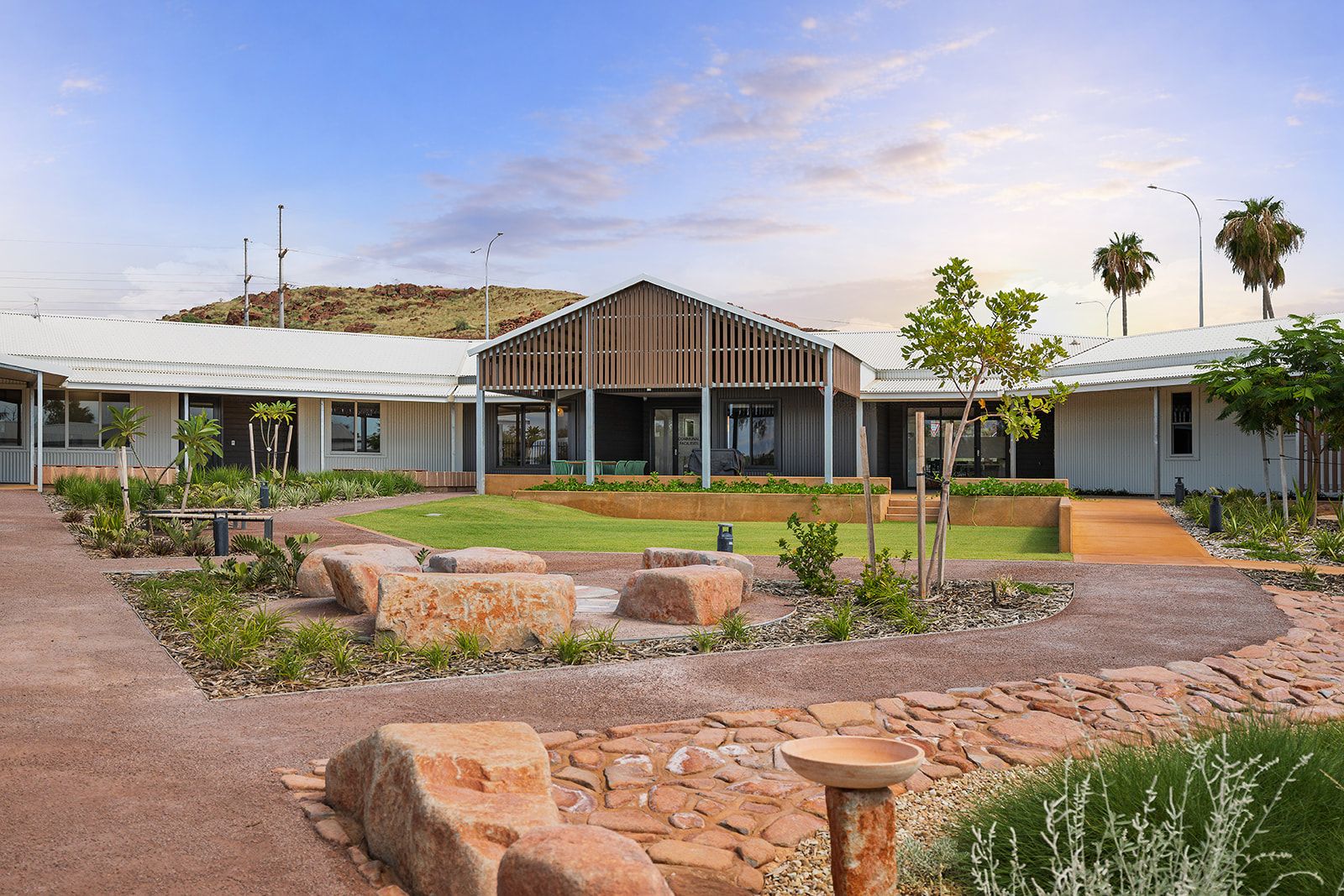
If you're required to undertake an Advanced Trainee Research Project (ATRP) as part of your RACP Advanced Training, the Advanced Trainee Research Support Program (ATRSP) is here to support you every step of the way.