Skip to content

Search

Streptococcus pyogenes pharyngitis elicits diverse antibody responses to key vaccine antigens influenced by the imprint of past infections

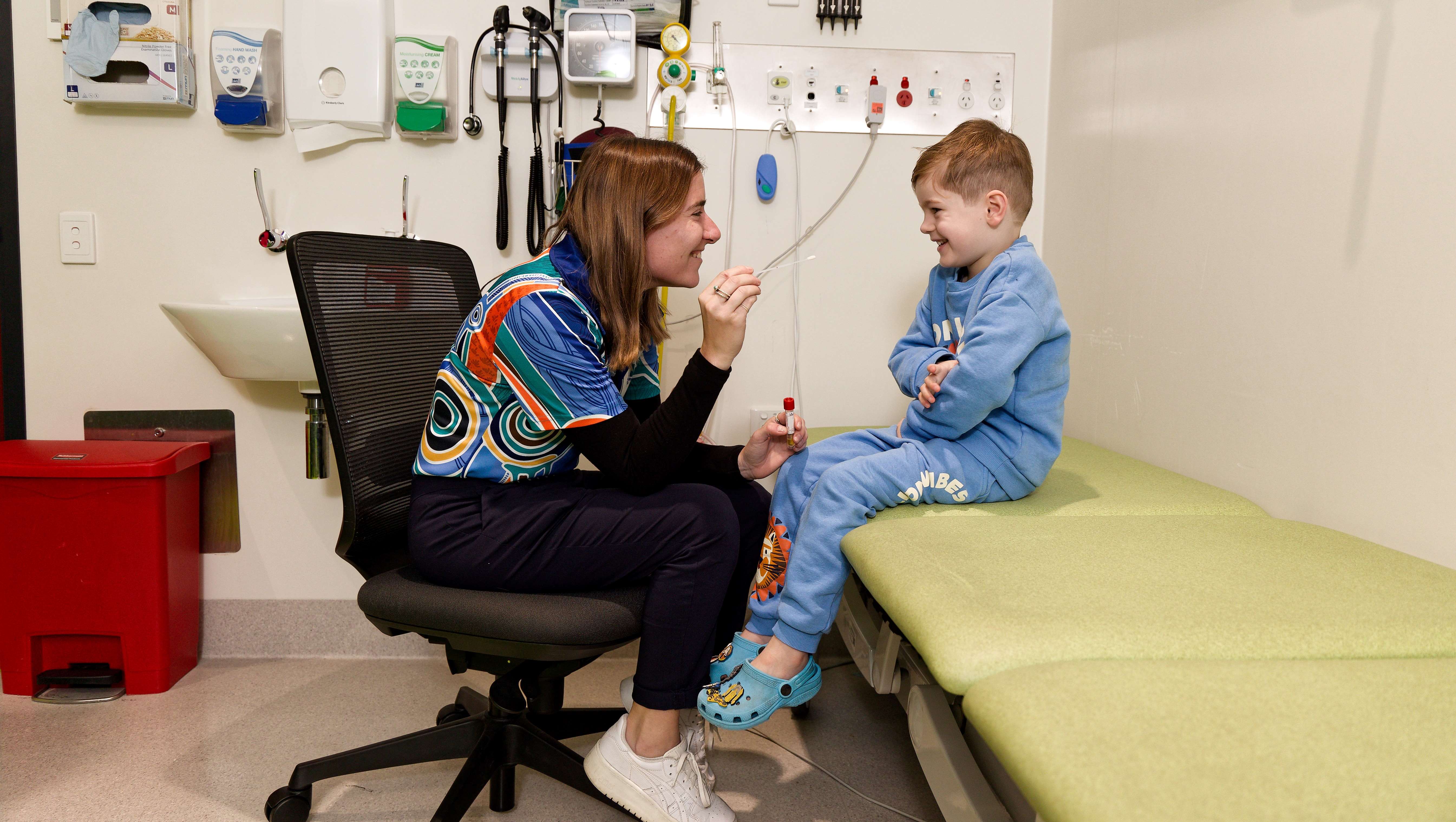
Knowledge gaps regarding human immunity to Streptococcus pyogenes have impeded vaccine development. To address these gaps and evaluate vaccine candidates, we established a human challenge model of S. pyogenes pharyngitis. Here, we analyse antibody responses in serum and saliva against 19 antigens to identify characteristics distinguishing 19 participants who developed pharyngitis and 6 who did not.

The parent empowerment scale: development and psychometric properties

Parents of trans and gender diverse (herein ‘trans’) children experience additional challenges in their parenting role relative to parents of cisgender children. Understanding and enhancing parents’ empowerment is a promising approach to support both parents and children. We aimed to develop an empowerment scale specific to parents of trans children, grounded in parents’ lived experiences. 

Maternal Allergic Disease Phenotype and Infant Birth Season Influence the Human Milk Microbiome

Early infancy is a critical period for immune development. In addition to being the primary food source during early infancy, human milk also provides multiple bioactive components that shape the infant gut microbiome and immune system and provides a constant source of exposure to maternal microbiota. Given the potential interplay between allergic diseases and the human microbiome, this study aimed to characterise the milk microbiome of allergic mothers.

Mining single-cell data for cell type-disease associations

A robust understanding of the cellular mechanisms underlying diseases sets the foundation for the effective design of drugs and other interventions. The wealth of existing single-cell atlases offers the opportunity to uncover high-resolution information on expression patterns across various cell types and

Are assisted reproductive technology pregnancies more likely to be exposed to teratogenic medication? A whole-population study

Assisted reproductive technology (ART) pregnancies are at greater risk of birth defects than non-ART pregnancies. Teratogenic medication exposure is a potential cause of birth defects that has not been compared between ART and non-ART pregnancies.

Developmental Mismatch Across Brain Modalities in Young Children

Brain development during the preschool period is complex and extensive and underlies ongoing behavioral and cognitive maturation. Increasing understanding of typical brain maturation during this time is critical to early identification of atypical development and could inform treatments and interventions.

Protocol to implement and evaluate a culturally secure, strength-based, equine-assisted learning program, "Yawardani Jan-ga" (horses helping)

Australian Aboriginal people experience stressors from inequalities across crucial social determinants, including deep and entrenched disadvantage and exclusion. The impact of unaddressed historical issues is pervasive and intergenerational. The disproportionate rates of Aboriginal youth suicide, juvenile detention and imprisonment highlight the inadequacy of existing social and emotional wellbeing programs and services for Aboriginal children and young people.

Does lung function in preschoolers help to predict asthma in later life?

The earliest respiratory function assessments, within or close to the neonatal period, consistently show correlations with lung function and with the development of asthma into adulthood. Measurements of lung function in infancy reflect the in utero period of lung development, and if early enough, show little influence of postnatal environmental exposures. 

International workshop: what is needed to ensure outcome measures for Rett syndrome are fit-for-purpose for clinical trials? June 7, 2023, Nashville, USA

The clinical, research and advocacy communities for Rett syndrome are striving to achieve clinical trial readiness, including having fit-for-purpose clinical outcome assessments. This study aimed to (1) describe psychometric properties of clinical outcome assessment for Rett syndrome and (2) identify what is needed to ensure that fit-for-purpose clinical outcome assessments are available for clinical trials.

Coupling of response biomarkers between tumor and peripheral blood in patients undergoing chemoimmunotherapy

Platinum-based chemotherapy in combination with anti-PD-L1 antibodies has shown promising results in mesothelioma. However, the immunological mechanisms underlying its efficacy are not well understood and there are no predictive biomarkers to guide treatment decisions.