
Search
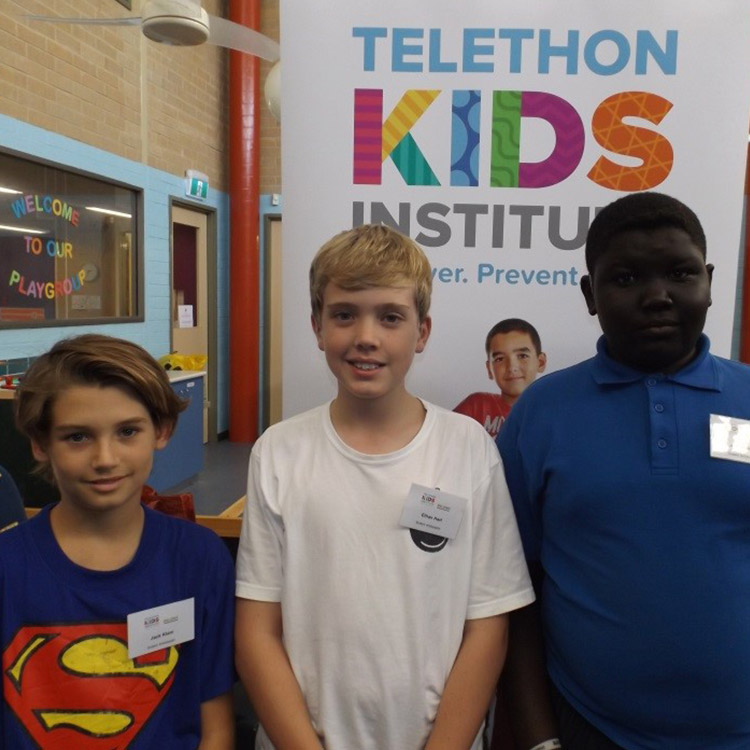
Ethan recently took part in Belong, a study led by The Kids which aims to ensure deaf and hard of hearing kids have a happy & positive school experience
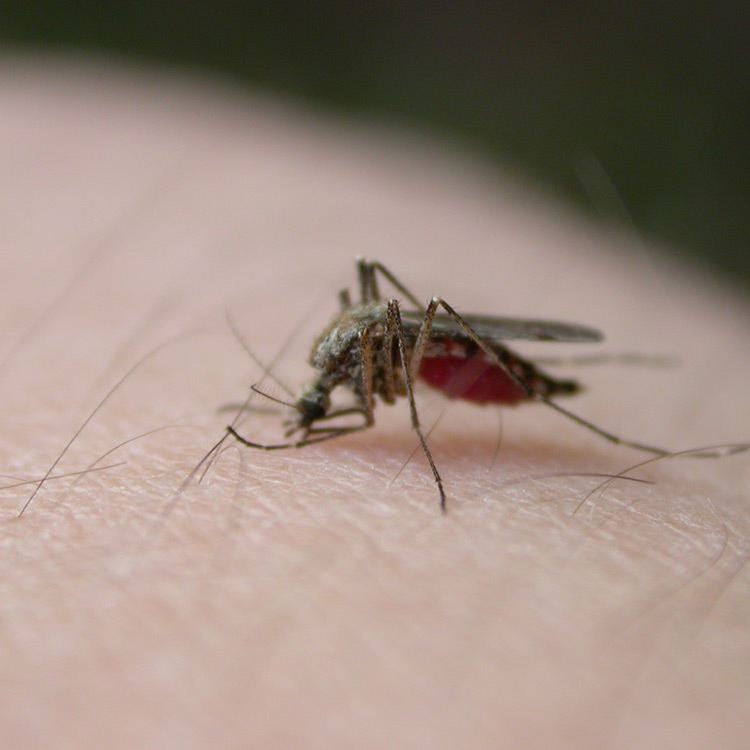
WA Researchers have conducted an Australian-first study to determine the prevalence of microcephaly, in preparation of any future outbreak of the Zika virus.
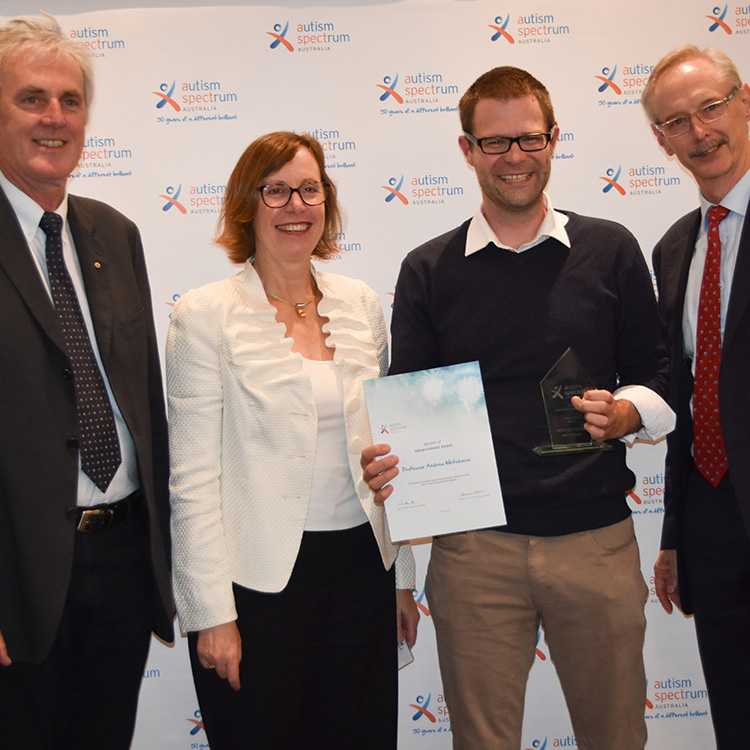
Professor Andrew Whitehouse has been awarded an Autism Spectrum Australia Recognition Award for his work communicating scientific findings to families.

Join us for an annual research update from WA cystic fibrosis researchers.Find out the latest research findings in Cystic Fibrosis.
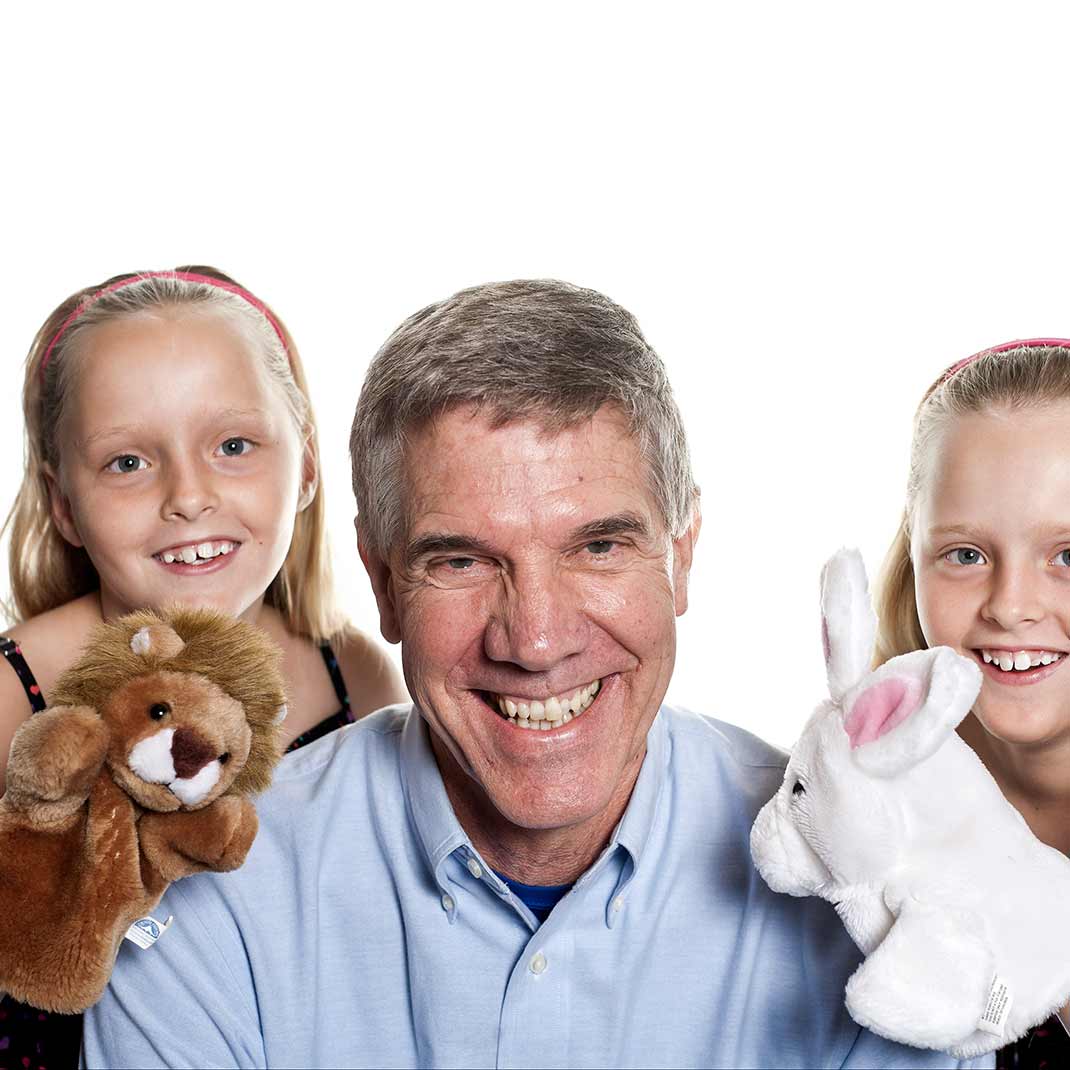
All parents want their children to be happy. But in our rapidly changing modern world what does that actually mean? Prof. Stephen Zubrick provides his top tips.
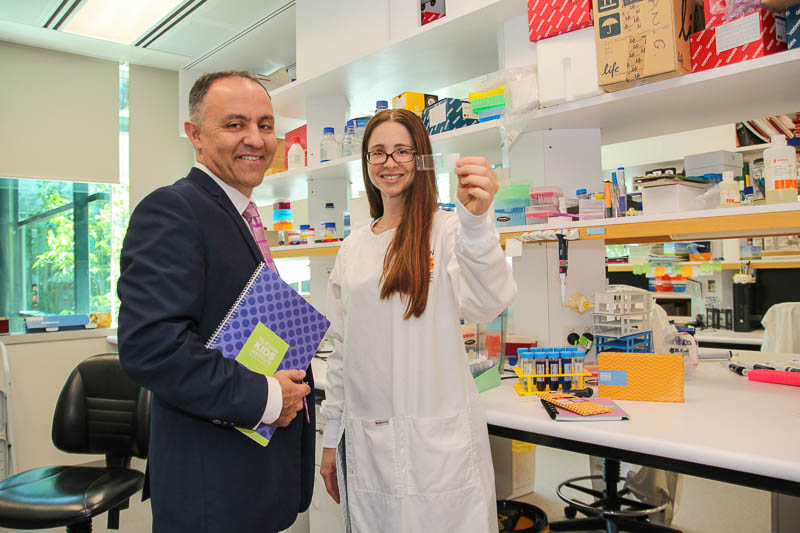
Staples is launching a new range of office, facility & education products to help support the incredible child health & development research of The Kids.
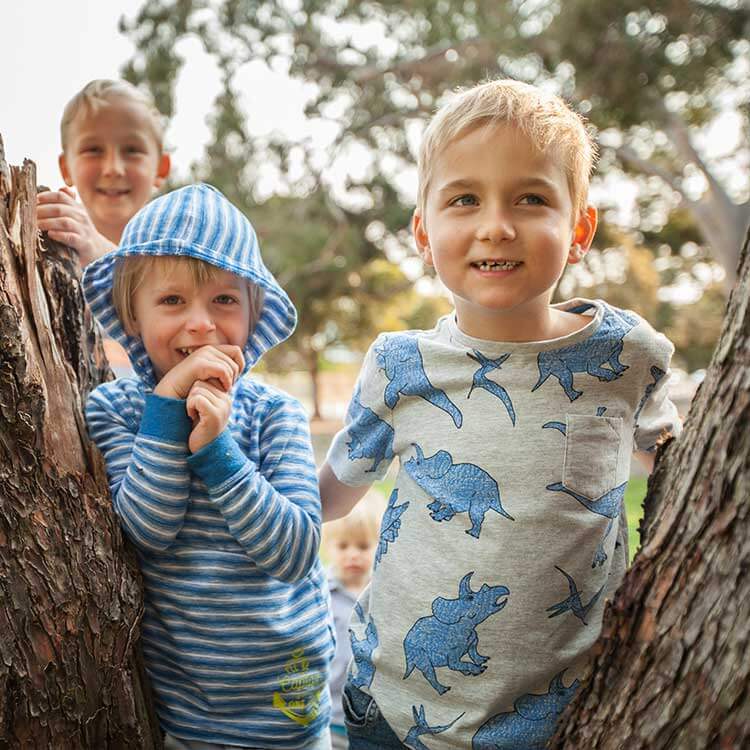
The Multiple Strength Indicator is a strength based measure that provides information on children’s developmental strengths as they commence full-time school.
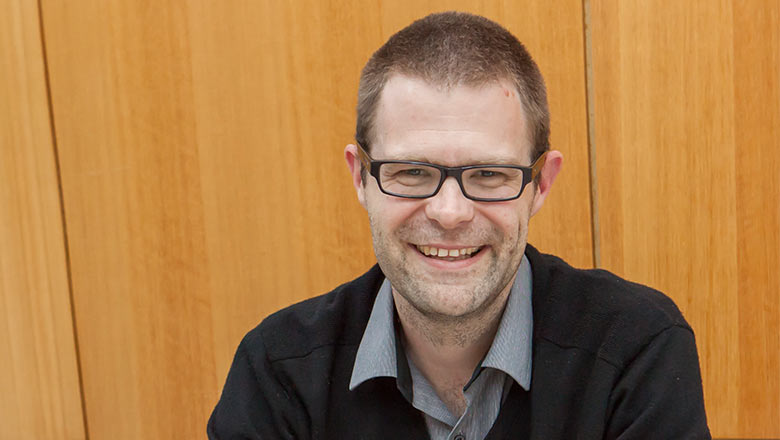
Andrew Whitehouse has been listed in the WA Business News 40 under 40 awards recognising accomplished and dynamic young leaders in Western Australia.
A new study has found children with disabilities are 3 times more likely to be maltreated compared to other children but that risk varies by type of disability.

About a third of young people in youth detention in Western Australia have Fetal Alcohol Spectrum Disorder (FASD), data has found.