
Search
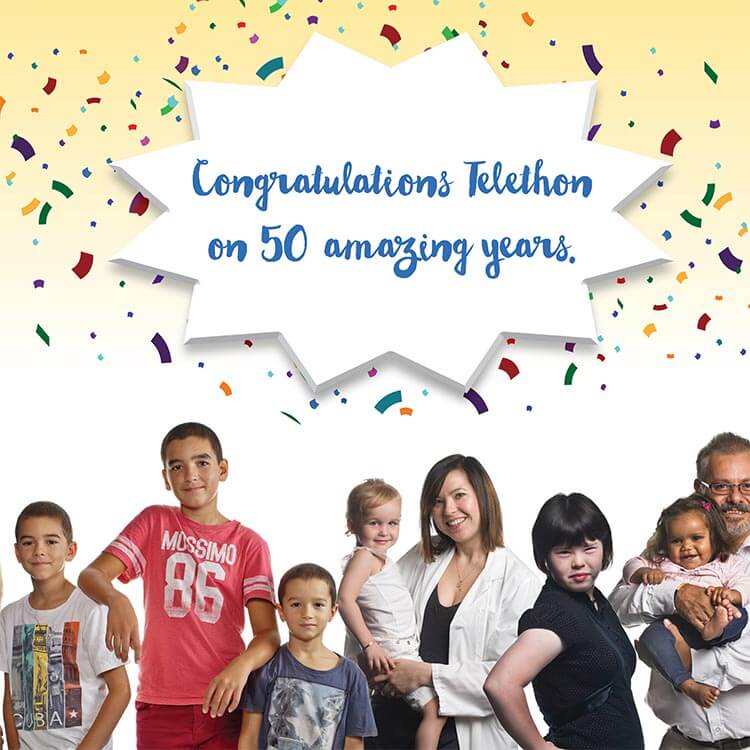
Celebrating 50 years of collaboration between Telethon and ORIGINS.
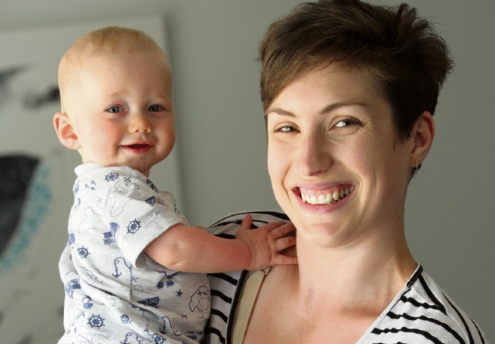
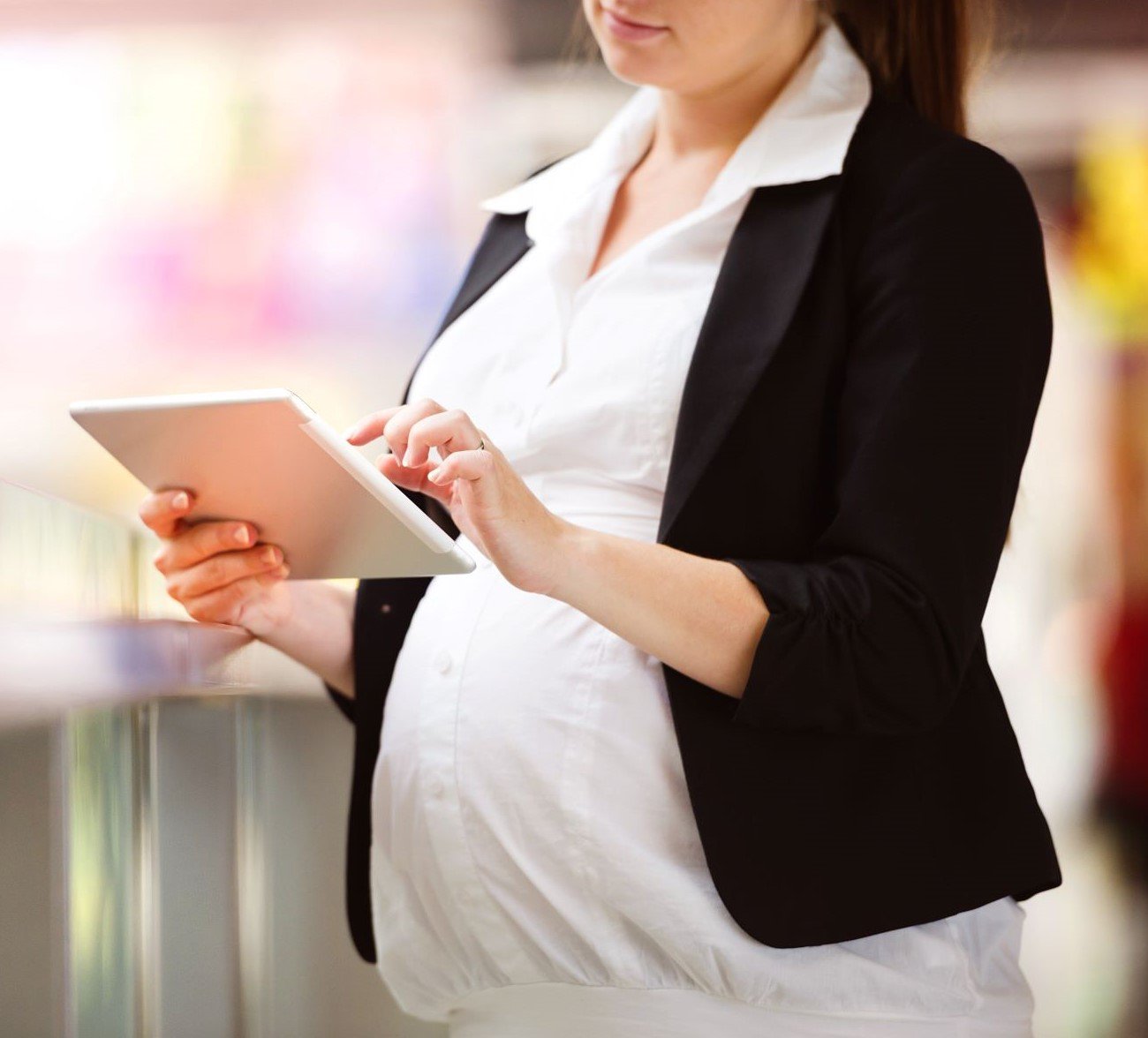
Cara and Peter signed up to The ORIGINS Project in 2017 when Cara was only six months pregnant with their first child, Oscar.
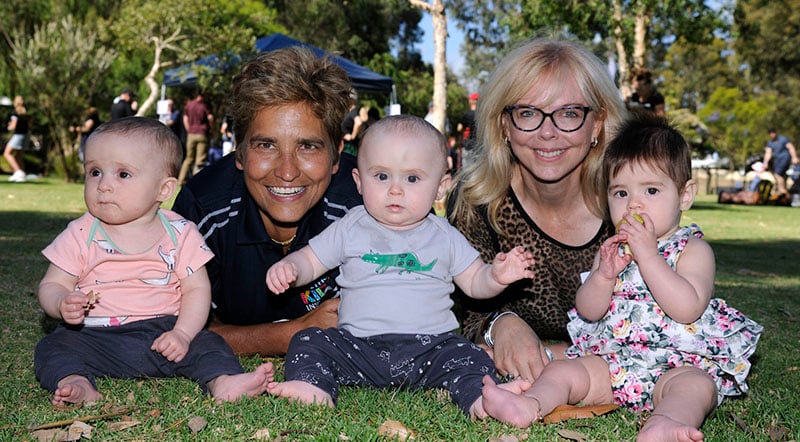
The Federal Government has joined with the Paul Ramsay Foundation to fund the project, with each pledging $13 million over 10 years.
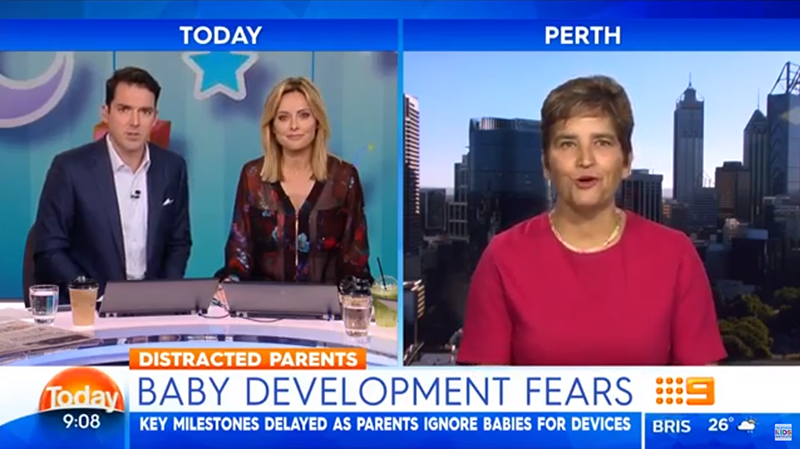
Leading paediatrician and Co-Director of ORIGINS Professor Desiree Silva says key developmental milestones like smiling are being delayed because parents are spending too much time on devices.
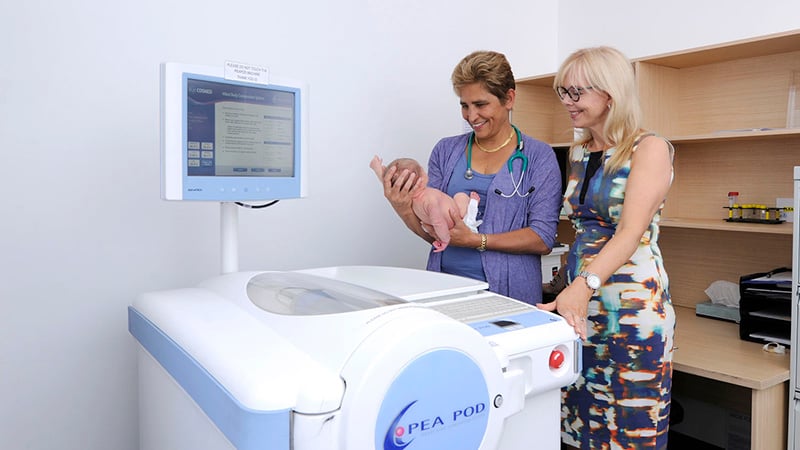
The Joondalup Health Campus and The Kids are investigating how childhood and adult-onset diseases can be prevented during foetal development and in the early years of life.
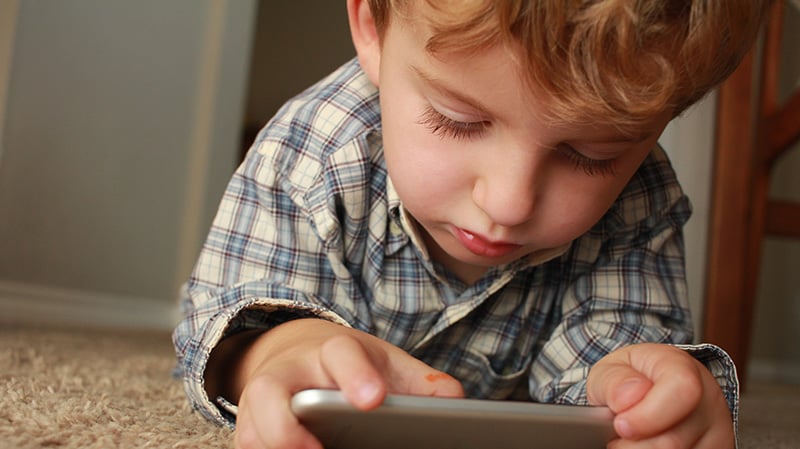
The link between increasing anxiety among young children and too much screen time at the expense of “nature time” will be the focus of a new Perth study.
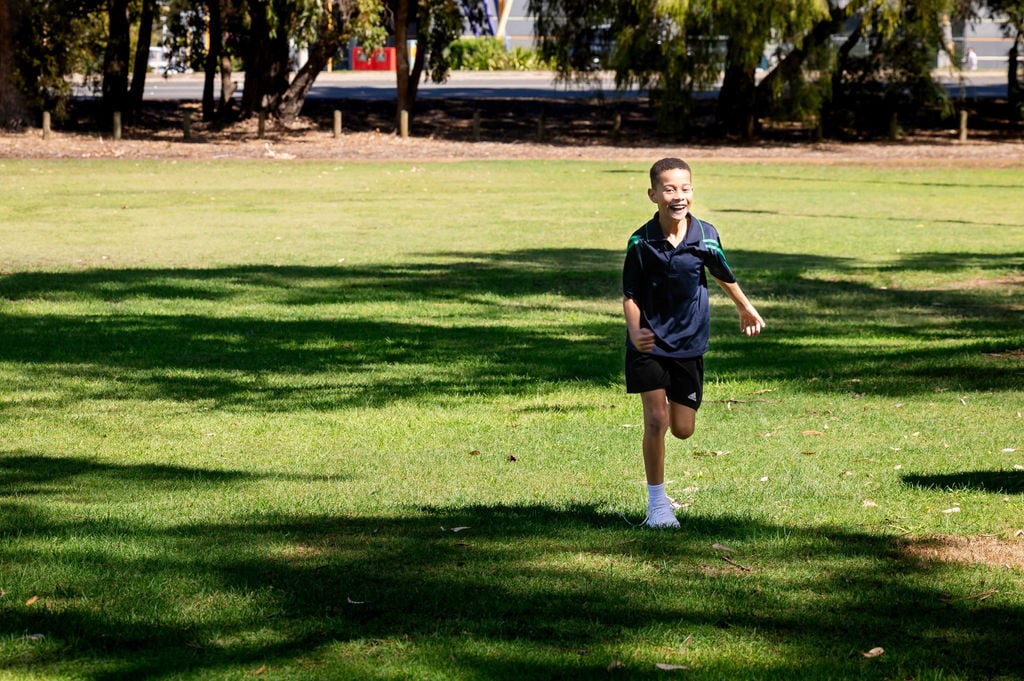
During our 8-Year Kids Checks, ORIGINS is introducing the opportunity for parents and children to be fitted with the SENS motion device which that will measure you and your child's sleep and physical activity for seven days.

ORIGINS provides a cost-effective research enabling platform for those looking to conduct research in child and family health.
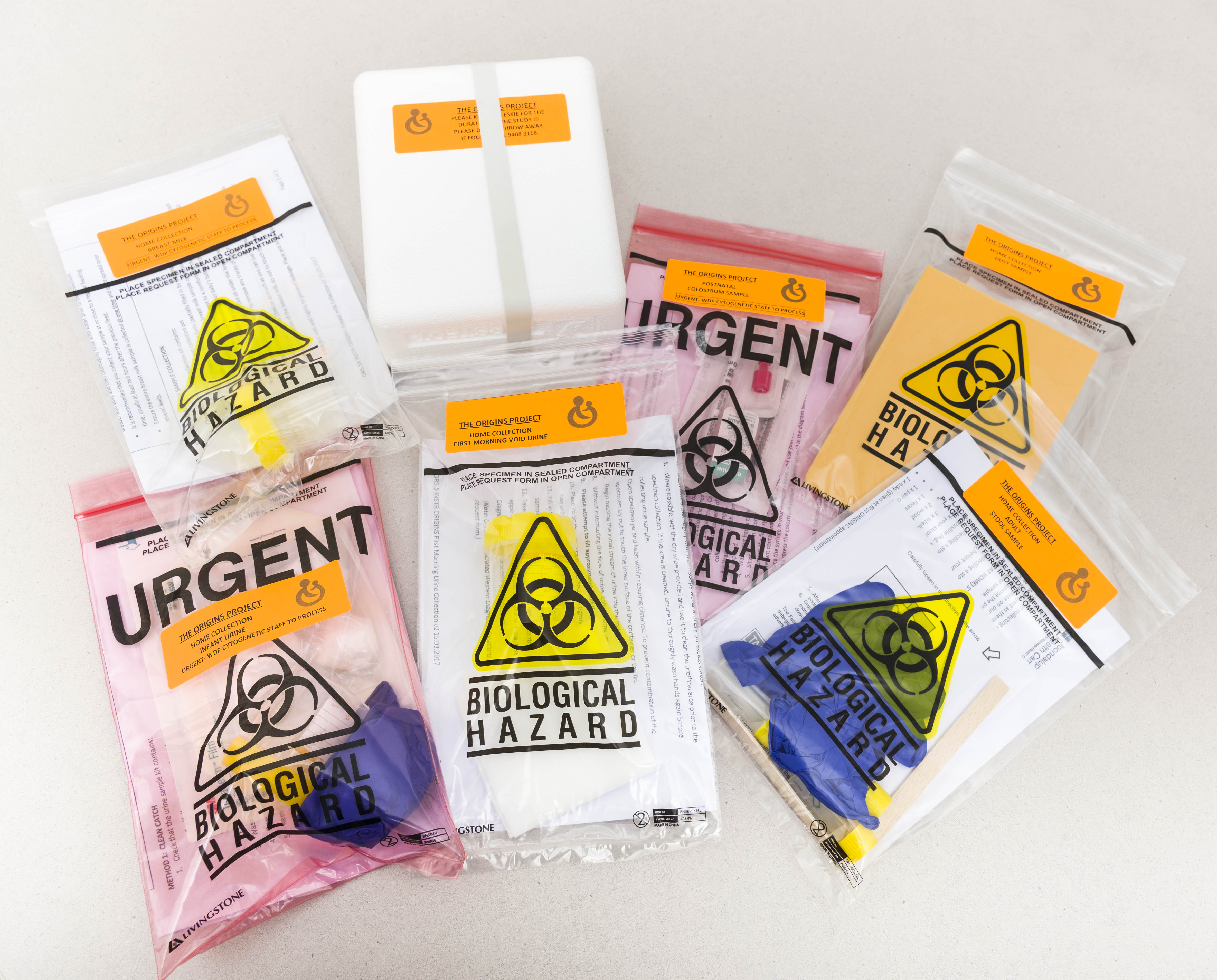
The ORIGINS Biobank is collecting biological samples from participant families at 10 timepoints between the time of pregnancy and the child turning five years of age.
ORIGINS is collecting physiological, biological and clinical data from the mother, partner/father and child at numerous points to track development and change.