
Search

The effects of educational advantage or disadvantage get handed down through the generations according to a new study by researchers at the The Kids.
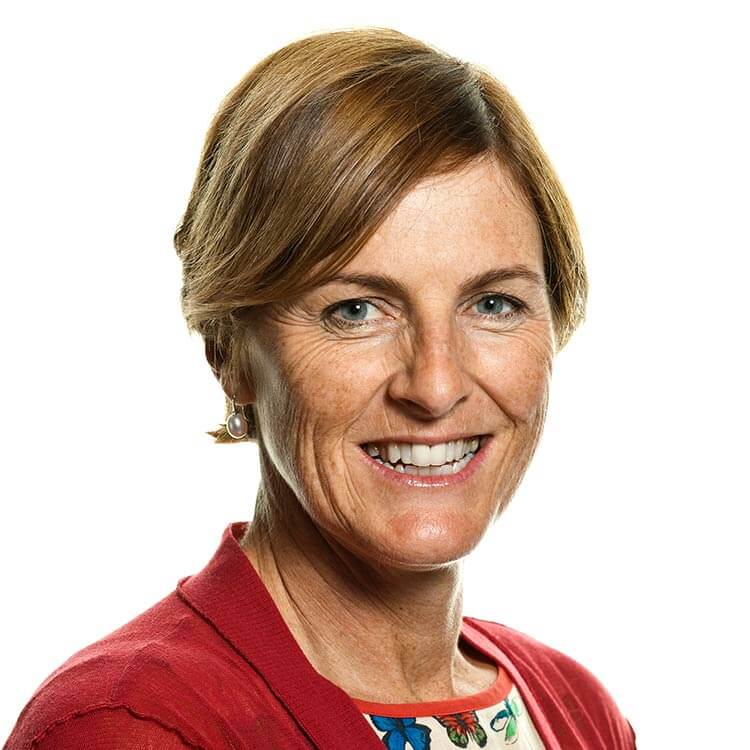
Professor Cate Taylor, is part of an International cohort of researchers to secure over €1.45million in grant funding from the EU’s Horizon 2020 programme.
Maltreated children are at high risk for low educational achievement, however few studies have accounted for confounding risk factors that commonly co-occur (including child, family and neighbourhood risk factors) and results have been mixed, particularly for adolescents.
This study examined associations among preschool attendance, home learning activities, stunting status, and early child development using data from the validation study of the East Asia–Pacific Early Child Development Scales (EAP-ECDS).
This article examines the relationship between preschool quality and children’s early development in a sample of over 7900 children enrolled in 578 preschools in rural Indonesia.
The review examines the international literature to determine how disengagement can be defined & understood, & then examines student disengagement in Australia.
In this paper, we aim to contribute to the understanding of the multidimensional nature of school readiness. In a sample of over 4,000 Australian children in their first year of school, we used latent class analysis to examine patterns of school readiness based on child, family, school and community characteristics, and examine the relationship between these patterns of school readiness and subsequent outcomes (reading comprehension, school absence and emotional and behavioural difficulties).
In Australia, the health and education sectors provide universal early childhood services for the same population of children. Therefore, there is a strong imperative to view service use and outcomes through a cross-sectoral lens to better understand and address the service needs of young children and their families.
School readiness is a construct used by educators and policy makers to describe a range of abilities that are beneficial for children transitioning to school. The association of socioeconomic disadvantage with developmental vulnerability when children start school is well established. Parents play a crucial role in supporting children’s transition to school and are acknowledged as their child’s first and foremost teacher.
The National Support for Child and Youth Mental Health Program (the Program) aims to improve mental health outcomes for children and young people, commencing with the early years and going through to adolescence, by providing targeted grants for workforce and education activities that will build capabilities aligned to the Program objectives.