
Search
Showing results for "A"
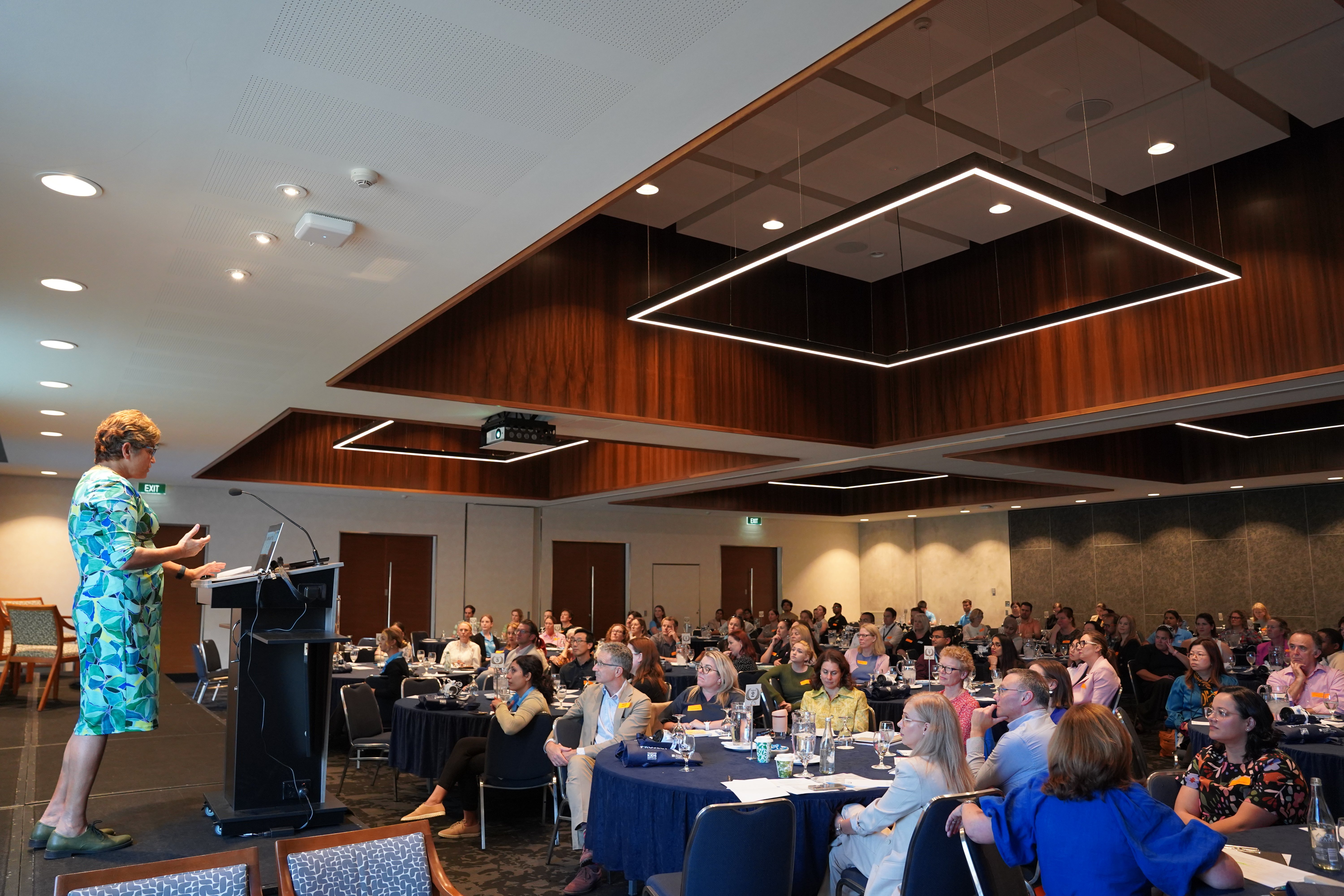
Yesterday, we were delighted to host close to 200 people at The ORIGINS 2024 Showcase, which explored the power of longitudinal cohorts, now and in
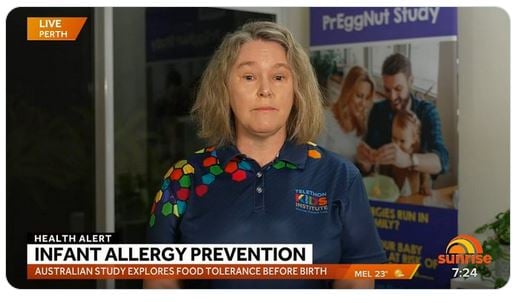
Dr Debbie Palmer spoke to Ch7 Sunrise about the changing advice for parents about the development of food allergies in kids.
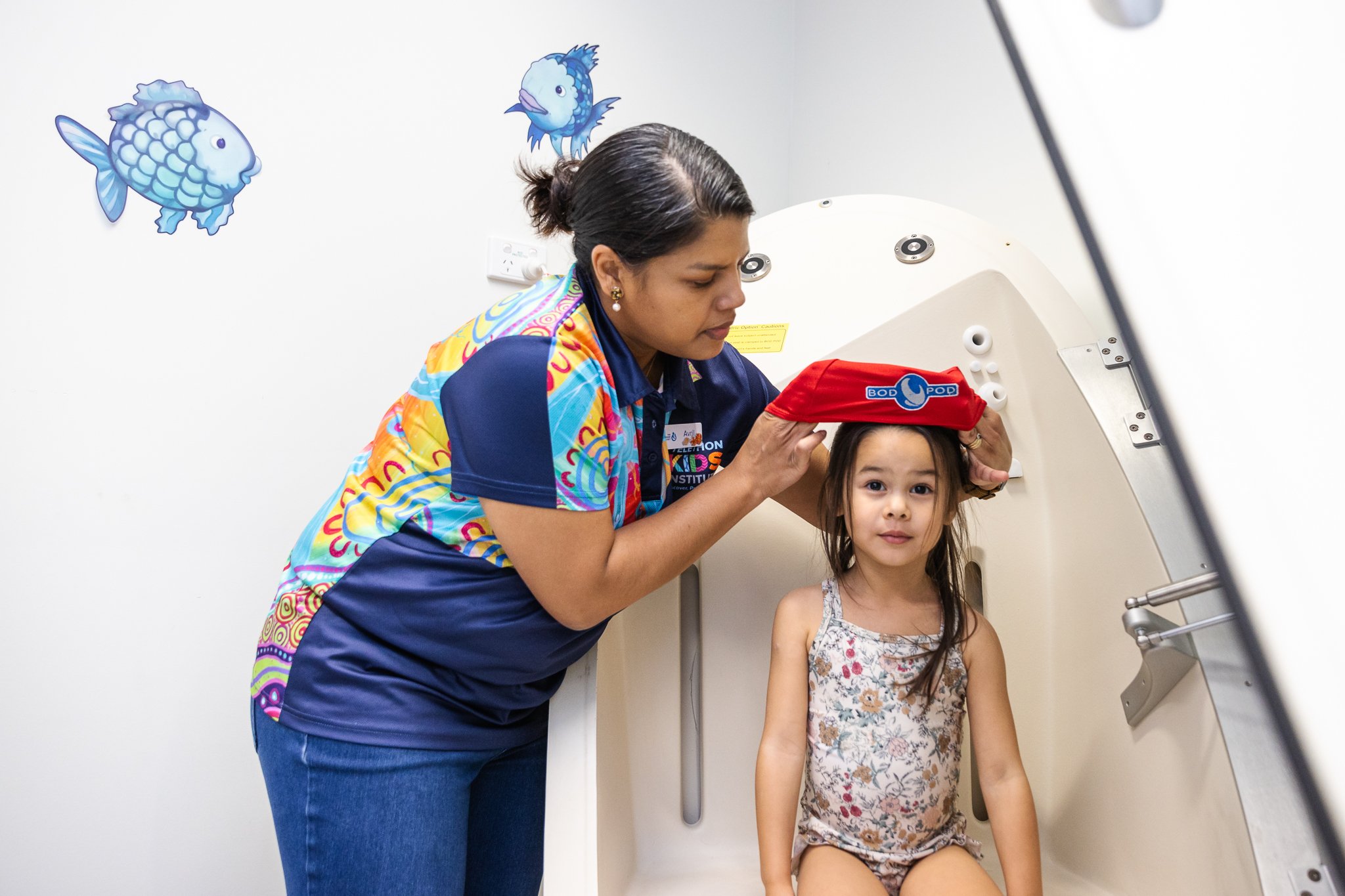
Interested in research into weight and body composition?

Plastics in Pregnancy (Phase One)
Neisseria meningitidis, the meningococcus, resides exclusively in humans and causes invasive meningococcal disease (IMD). The population of N. meningitidis is structured into stable clonal complexes by limited horizontal recombination in this naturally transformable species.
Little is known about how to effectively encourage higher levels of activity among older people. This study tested the effectiveness of a public service advertisement designed according to recommendations for communicating with older audiences and featuring five types of moderate-to-vigorous physical activity: tennis, line dancing, cycling, swimming and jogging.
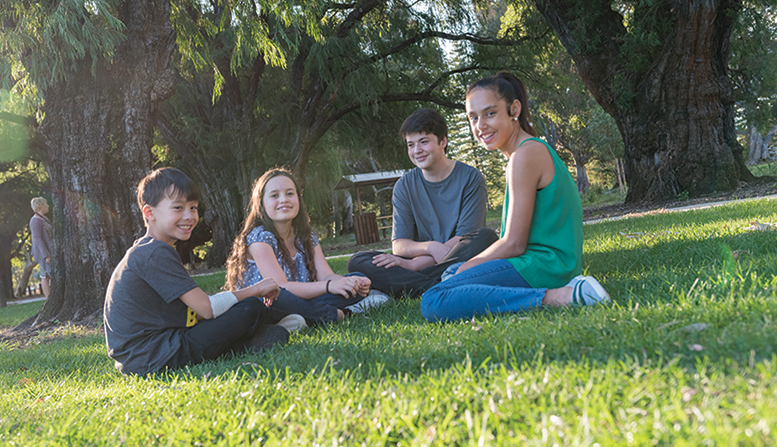
Flat out trying hard to keep up with the ever-changing threats from cyberbullying, The Kids Research Institute Australia counts itself fortunate to have youth on its side.

ORIGINS is collecting data from multiple sources from the mother, infant and partner at multiple timepoints from gestation through to five years of age.
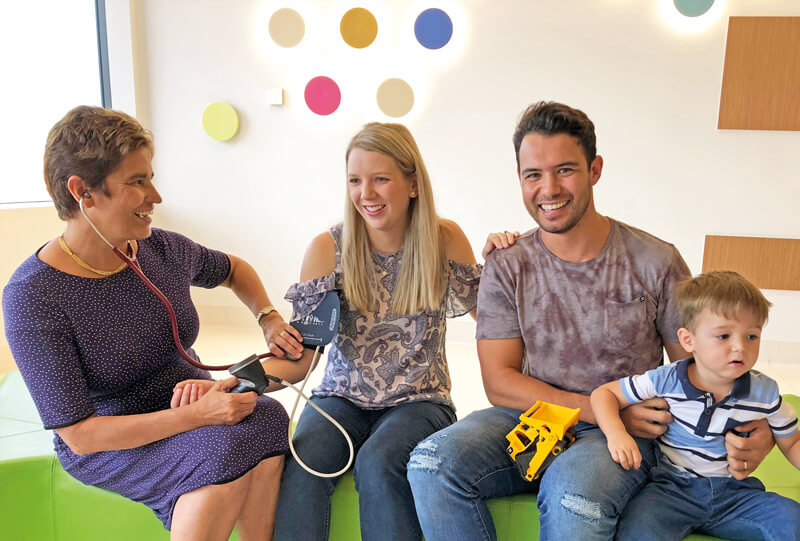
A Quinns Rocks family who became the 1000th family to sign up for the ORIGINS Project is excited to be contributing to such ground-breaking research.
The Kids for Child Health Research will join more than 50 scientists from 36 research institutions around the world to improve early nutrition