
Search
Showing results for "A"
This project investigates how cells of the immune system respond to substances to cause allergies to help develop new treatments.
It has been well established that children's development at school entry is associated with their later academic achievement, but less is known about whether there is also an association with other measures of school success, such as students' social and emotional wellbeing.

We are trying to understand what underlies mental health problems in young people with diabetes, with a school-related focus, and how we can best treat them.
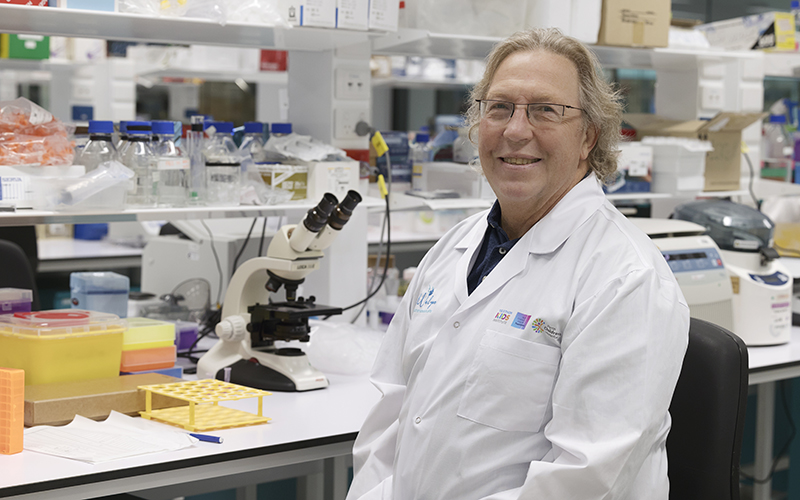
A bold respiratory research project will investigate whether wearable devices could drastically change clinical care for children living with chronic diseases such as cystic fibrosis.
Mailing list Discover. Prevent. Cure. Discover. Prevent. Cure. Mailing list Be Inspired About The Kids About The Kids Be Inspired Join thousands of
Young people aged 11 years and older provided information on their mental health, and on behaviours that could put them at risk physically and mentally.
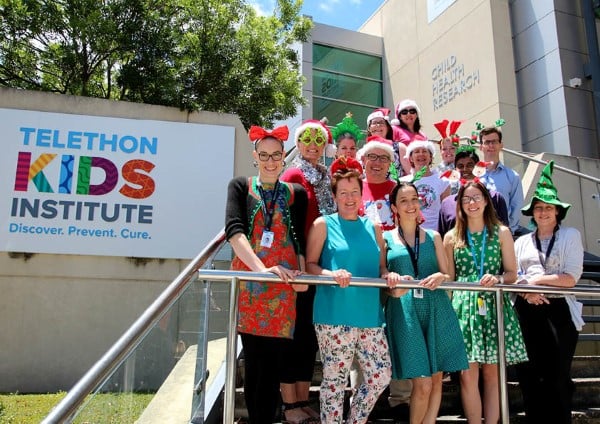
Wrap up of the people, projects and updates from 2017 in the Vaccine Trials Group research area, and Dr Peter Richmond.
Human immunodeficiency virus and acquired immune deficiency syndrome (HIV/AIDS) is still among the leading causes of disease burden and mortality in sub-Saharan Africa (SSA), and the world is not on track to meet targets set for ending the epidemic by the Joint United Nations Programme on HIV/AIDS (UNAIDS) and the United Nations Sustainable Development Goals (SDGs).
Preterm birth and subsequent neonatal ventilatory treatment disrupts development of the hypoxic ventilatory response (HVR). An attenuated HVR has been identified in preterm neonates, however it is unknown whether the attenuation persists into the second year of life.
Fiona Stanley FAA FASSA MSc MD FFPHM FAFPHM FRACP FRANZCOG HonDSc HonDUniv HonFRACGP HonMD HonFRCPCH HonLLB (honoris causa) Patron 08 6319 1176