
Search
Showing results for "A"
The present study investigated the relations among fetal testosterone, child socio-emotional engagement and language development...
The authors previously reported an increased risk of hospitalisation for acute lower respiratory infection up to age 2 years in children delivered by...
Medulloblastoma (MB) is the most common malignant brain tumor in children and a leading cause of cancer-related mortality and morbidity.
Low vitamin D status and intake are prevalent among the Australian population, including Aboriginal and Torres Strait Islander peoples. We hypothesised that some traditional foods could contain vitamin D, and measured vitamin D in foods from Nyoongar Country, Western Australia. Samples of kangaroo, emu, squid/calamari and lobster/crayfish were collected and prepared by Aboriginal people using traditional and contemporary methods.
Growing up in a language-rich home environment is important for children's language development in the early years. The concept of "technoference" (technology-based interference) suggests that screen time may be interfering with opportunities for talk and interactions between parent and child; however, limited longitudinal evidence exists exploring this association.

Today, and every day, we celebrate the inspiring female researchers, students and professional staff who work at The Kids Research Institute Australia, and the contribution they make to child health research in Australia.

A The Kids Research Institute Australia researcher whose work focuses on the mental health of babies and young children has been chosen from a global field to become one of 20 new Zero to Three Fellows.

Mineral Resources Limited has proudly committed its support as Principal Partner of the ground-breaking research project Yawardani Jan-ga
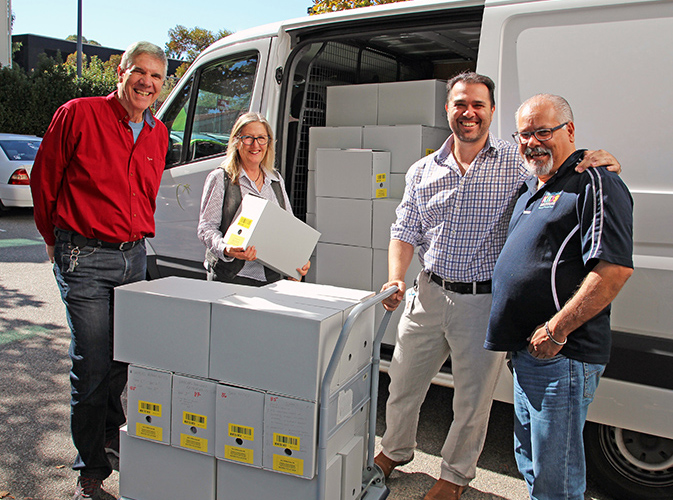
The landmark Western Australian Aboriginal Child Health Survey has been placed into archiving at the State Library of Western Australia to be preserved for future generations.
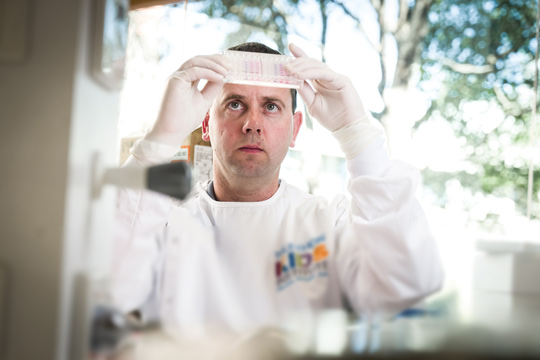
In an exciting breakthrough for cancer treatment, a new weapon to enable the immune system to combat the disease may have been unlocked.