
Search
Showing results for "A"
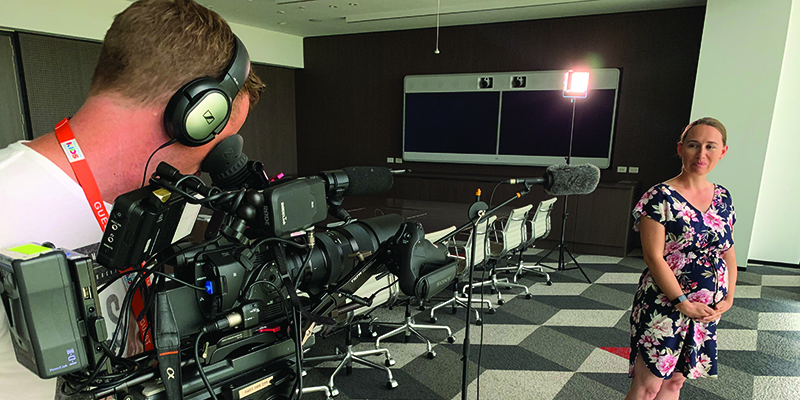
A screening tool to help midwives and other health professionals contribute to the prevention of FASD is changing maternity practice across WA public hospitals.
Skin conditions most frequently encountered in paediatric practice include infections, infestations, atopic dermatitis, and acne. Skin of colour refers to skin with increased melanin and darker pigmentation, and reflects global racial and ethnic diversity.
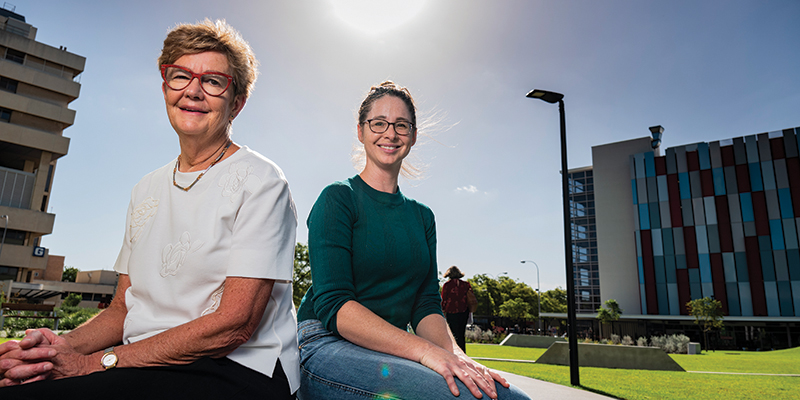
For decades Aussies have been told to minimise sun exposure to prevent skin cancer - now researchers at Telethon Kids are challenging that message.
Clinical decision support systems (CDSS) are increasingly utilised within healthcare settings to enhance decision making. However, few studies have investigated their application in the context of clinical services for autistic people, with no research to date exploring the perspectives of the key stakeholders who are, or in the future may be, impacted by their use.
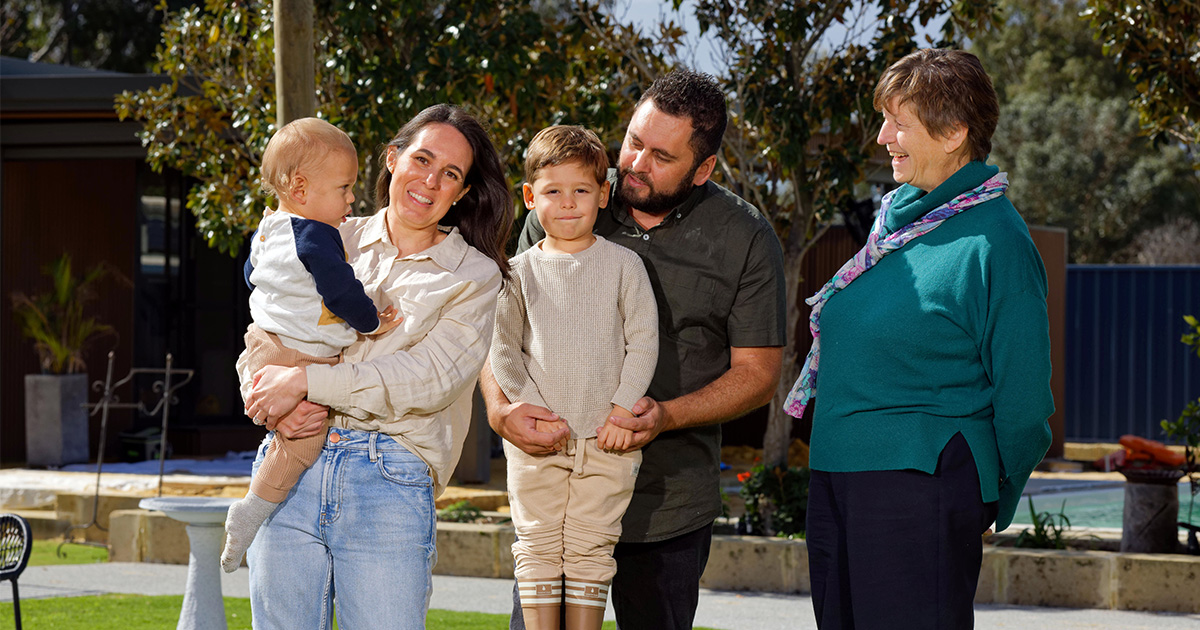
CIRCA DIEM is using an inexpensive set of eye masks and ear plugs to teach babies born too soon how to tell the difference between night and day – a simple skill which could have lifelong implications for their health and development.
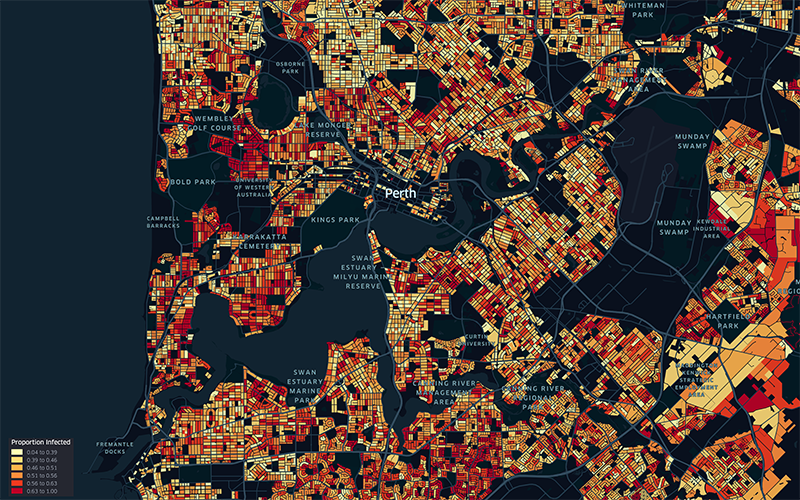
WA’s current Omicron COVID-19 outbreak could jump by 147,000 cases if mask mandates are abandoned before the Easter long weekend, according to sophisticated new modelling.

As WA's first research collaboration dedicated to mental health, we work to do the research that the community wants to see happen.
Australian adults who are Not in Employment, Education or Training (NEET) represent a significant proportion of income support recipients, yet little is known about them.
Malaria risk maps are crucial for controlling and eliminating malaria by identifying areas of varying transmission risk. In the Greater Mekong Subregion, these maps guide interventions and resource allocation. This article focuses on analysing changes in malaria transmission and developing fine-scale risk maps using five years of routine surveillance data in Laos (2017-2021). The study employed data from 1160 geolocated health facilities in Laos, along with high-resolution environmental data.
Find out how to participate in our research and community group