Skip to content
The Kids Research Institute Australia logo
Donate

Search

The association of mobile touch screen device use with parent-child attachment: a systematic review

Mobile touch screen devices (smartphones and tablet computers) have become an integral part of many parents’ and children’s lives, with this interaction linked to physical, mental and social outcomes. Despite the known importance of parent-child attachment, evidence on the association between device use and attachment was yet to be reviewed.

Can positive mindsets be protective against stress and isolation experienced during the covid-19 pandemic? A mixed methods approach to understanding emotional health and wellbeing needs of perinatal women

The aim of this study was to explore the relationship between emotional health and wellbeing and support needs of perinatal women during the COVID-19 pandemic, and to understand their experiences and need for support. This is a potentially vulnerable group and a critical developmental phase for women and infants.

Maternal Late-Pregnancy Serum Unmetabolized Folic Acid Concentrations Are Not Associated with Infant Allergic Disease: A Prospective Cohort Study

The increase in childhood allergic disease in recent decades has coincided with increased folic acid intakes during pregnancy. Circulating unmetabolized folic acid (UMFA) has been proposed as a biomarker of excessive folic acid intake. We aimed to determine if late-pregnancy serum UMFA and total folate concentrations were associated with allergic disease risk in the offspring at 1 y of age in a population at high risk of allergy.

Developmental Origins of Health and Disease (DOHaD): The importance of life-course and transgenerational approaches

With well-established evidence that early life conditions have a profound influence on lifespan and health-span, new interventional birth cohorts are examining ways to optimise health potential of individuals and communities. These are aimed at going beyond preventing disease, to the conditions that facilitate flourishing from an early age.

Environmental (Perinatal) risk factors of ADHD in a sibling control design study

Citation: Ibilola O, Silva D. Environmental (Perinatal) risk factors of ADHD in a sibling control design study. Open Access Journal of Behavioural

Clustering of psychosocial symptoms in overweight children

The aims of the present study were to (i) examine the relationship between children's degree of adiposity and psychosocial functioning; and (ii) compare patterns of clustering of psychosocial measures between healthy weight and overweight/obese children.

ORIGINS family finds comfort and community

A Quinns Rocks family who became the 1000th family to sign up for the ORIGINS Project is excited to be contributing to such ground-breaking research.

ORIGINS Project shines light on Early Childhood Development

A collaboration between The Kids Research Institute Australia and Joondalup Health Campus is poised to be a game-changer for early childhood development.

$1.5 million funding advances translational research outcomes in early childhood and family health

ORIGINS, the largest longitudinal cohort study of its kind in Australia, delivered in partnership between The Kids Research Institute Australia and Joondalup Health Campus, has received $1.5 million funding from the Minderoo Foundation.

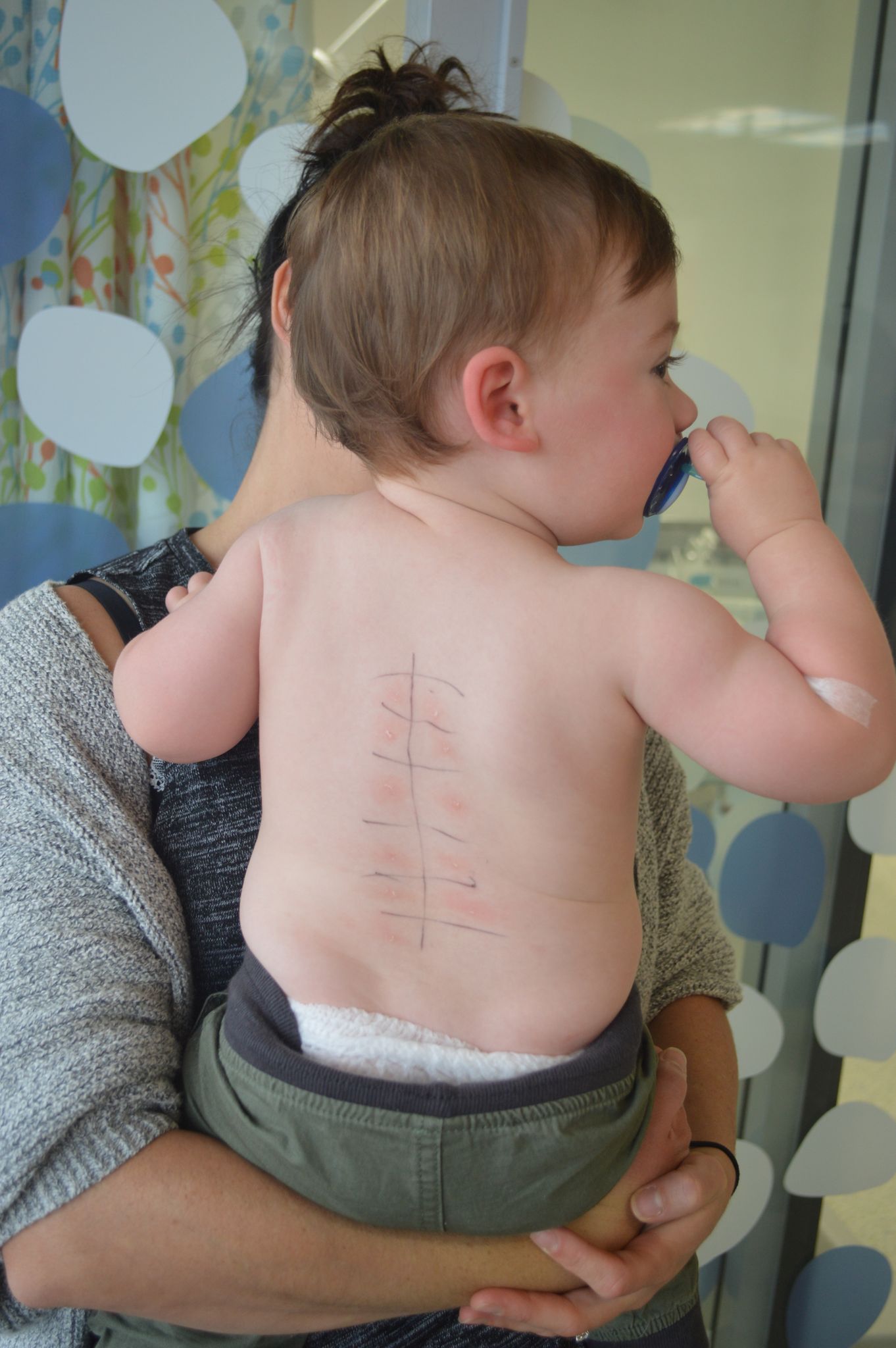
World-first evidence links exclusive colostrum intake with reduced peanut allergy risk

First-of-its-kind findings show that newborns exclusively fed colostrum in their first 72 hours of life were five times less likely to develop a peanut allergy by 12-18 months, and 11 times less likely to develop multiple food allergies (such as egg or cow’s milk) compared with infants who also received formula