
Search
Showing results for "A"
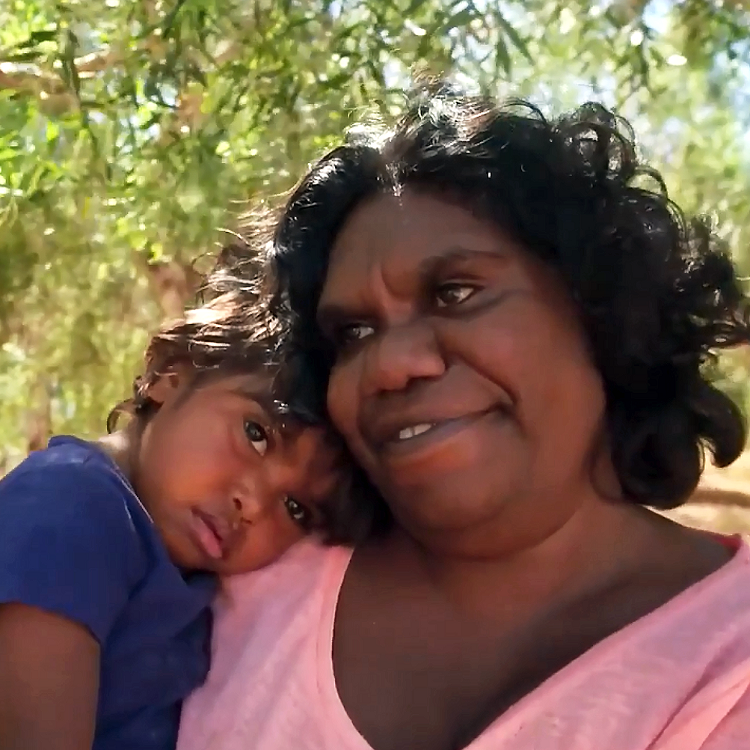
To mark International FASD Awareness Day, The Kids will launch a series of health promotion videos that feature local Aboriginal community members.
Six leading health organisations have joined a new coalition to end rheumatic heart disease in Australia, disproportionately affecting Indigenous Australians.
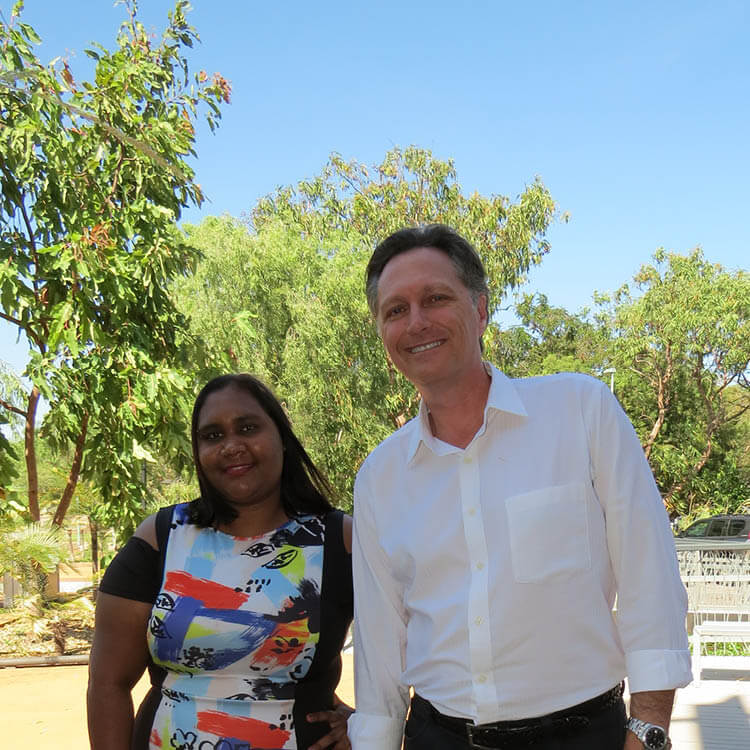
The Kids Research Institute Australia & Menzies School of Health Research will lead an international project to develop a diagnostic tool for acute rheumatic fever.
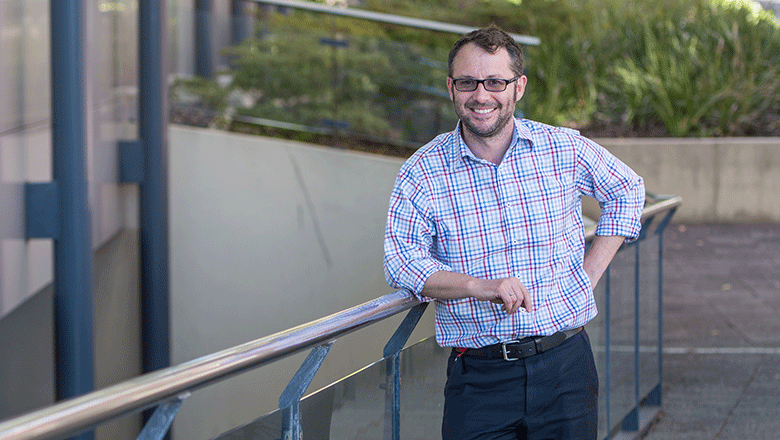
Research by The Kids Research Institute Australia will soon ensure young children are better protected against whooping cough.

An Australian-first study demonstrating the effectiveness of a new immunisation against respiratory syncytial virus (RSV) for babies found it to be almost 90 per cent effective in reducing hospitalisation rates and helped more than 500 WA families avoid a hospital stay.
Acute rheumatic fever and rheumatic heart disease disproportionately affect Aboriginal and Torres Strait Islander people in Australia, with devastating impacts on morbidity, mortality and community wellbeing. Research suggests that general practitioners and primary care staff perceive insurmountable barriers to improving clinical outcomes, including the need for systemic change outside their scope of practice.
This chapter outlines the evidence and evolution of RHD control programs and draws conclusions about priorities following the 2018 World Health Organization Global Resolution on rheumatic fever and RHD.

New collaborative research involving almost 600,000 pregnant mothers has demonstrated a dramatic increase in uptake of the whooping cough (pertussis) vaccine after identifying just 22 per cent of WA women had the maternal vaccination between 2012 – 2017.
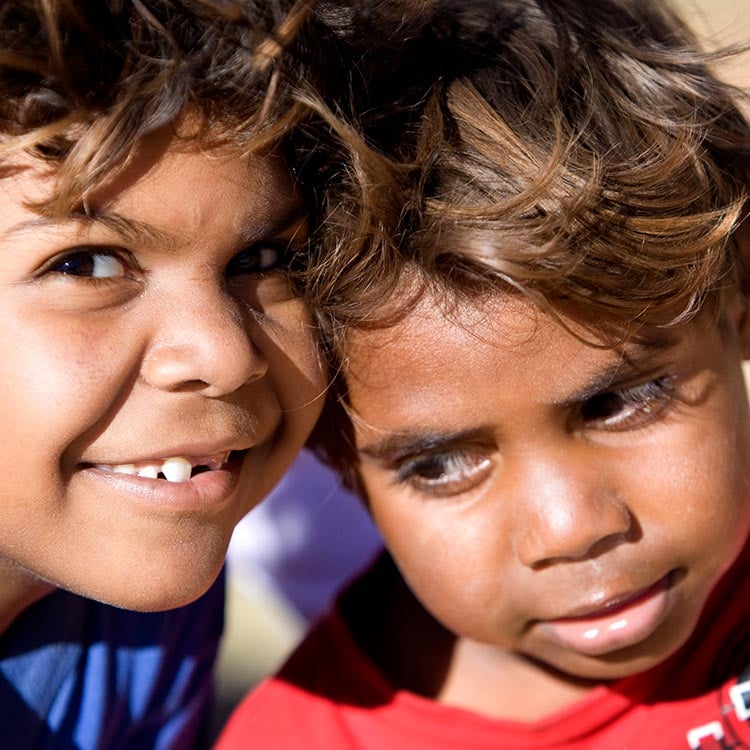
A $6 million commitment from Wesfarmers to Telethon will fund vital research to reduce the impact of chronic ear infections and other serious diseases.
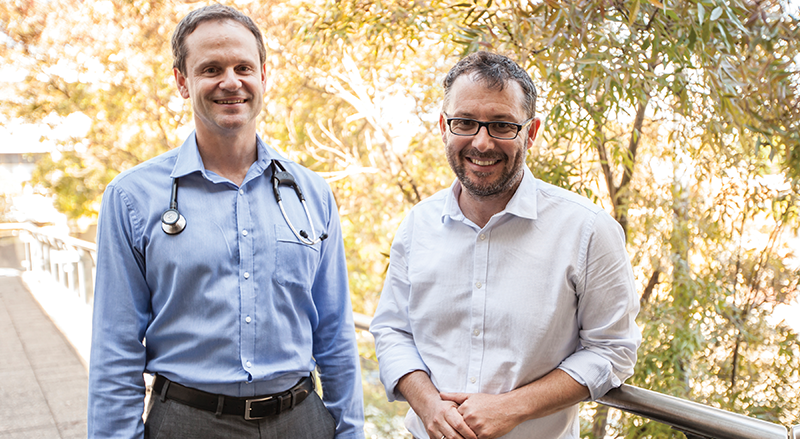
The Kids researchers are pioneering an exciting new approach to clinical trials, which aims to fast-track the best treatments for people with rare and complex diseases.