
Search
Showing results for "A"
There is increasing evidence that the assessment of ventilation distribution using the multiple breath washout (MBW) technique is sensitive to changes in disease status of children with cystic fibrosis.
The objective of this study was to explore Australian children's engagement in physical activity and screen time while being cared for by their grandparents.
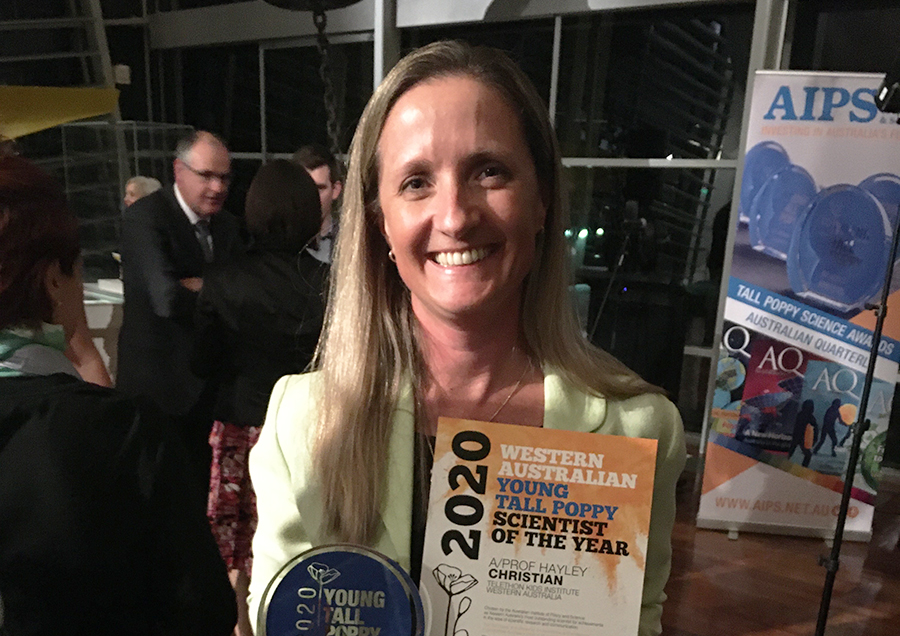
The Kids Research Institute Australia and University of Western Australia physical activity researcher Hayley Christian has been named Young Tall Poppy Scientist of the Year at the 2020 WA Young Tall Poppy Science Awards.
Chorioamnionitis is a common antecedent of preterm birth and induces inflammation and oxidative stress in the fetal lungs. Reducing inflammation and oxidative stress in the fetal lungs may improve respiratory outcomes in preterm infants. Creatine is an organic acid with known anti-inflammatory and antioxidant properties.
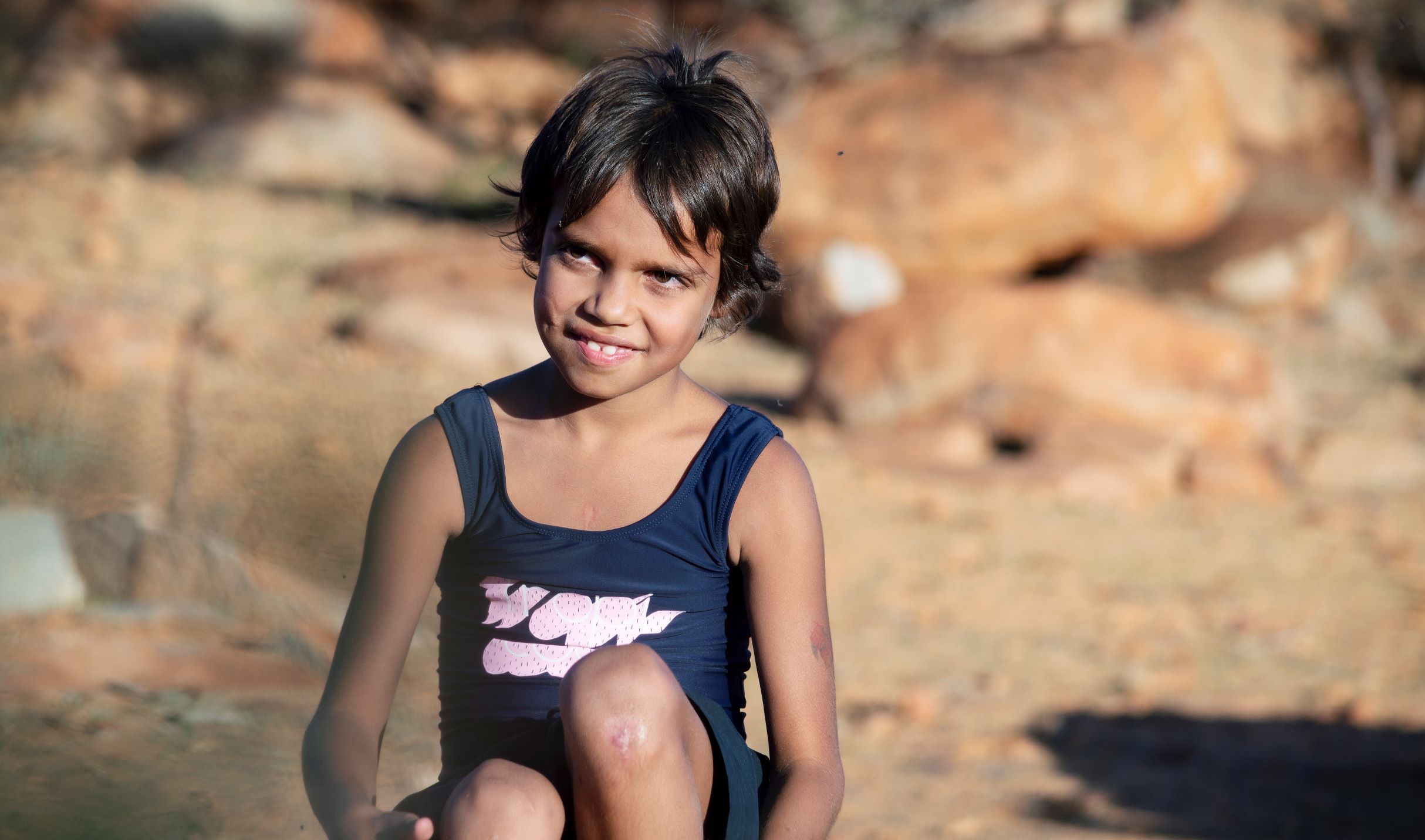
Five years of intensive collaboration between researchers, clinicians, Aboriginal Community Controlled Health Organisations, and government and non-government organisations have finally put the long-fought for goal of ending RHD within reach.
CliniKids is putting the ‘evidence’ in evidence-based practice by providing families access to the best scientific-backed therapies as quickly as possible so that all autistic children have the chance to reach their full potential.
Tick bites and tick-related diseases are on the rise. Diagnostic tests that identify well-characterised tick-borne pathogens (TBPs) possess limited capacity to address the causation of symptoms associated with poorly characterised tick-related illnesses, such as debilitating symptom complexes attributed to ticks (DSCATT) in Australia. Identification of local signals in tick-bitten skin that can be detected systemically in blood would have both clinical (diagnostic or prognostic) and research (mechanistic insight) utility, as a blood sample is more readily obtainable than tissue biopsies.
This project investigates the prevalence, risk factors, and causal impact of COVID-19 lockdowns on mental health disorders, self-harm, and suicide among Australian children.
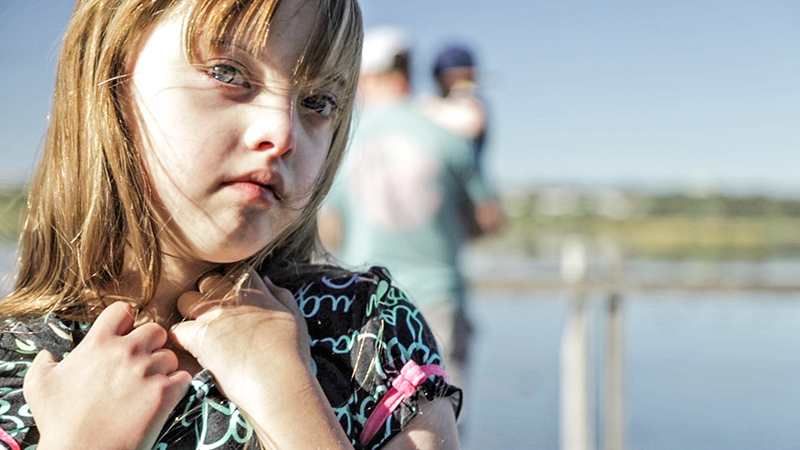
Eight-year-old Mikayla is the miracle child her parents never thought they would have. They’d tried for seven years to have a baby, and when Mikayla was finally born they couldn’t contain their excitement or pride. The fact she had Down syndrome was secondary.
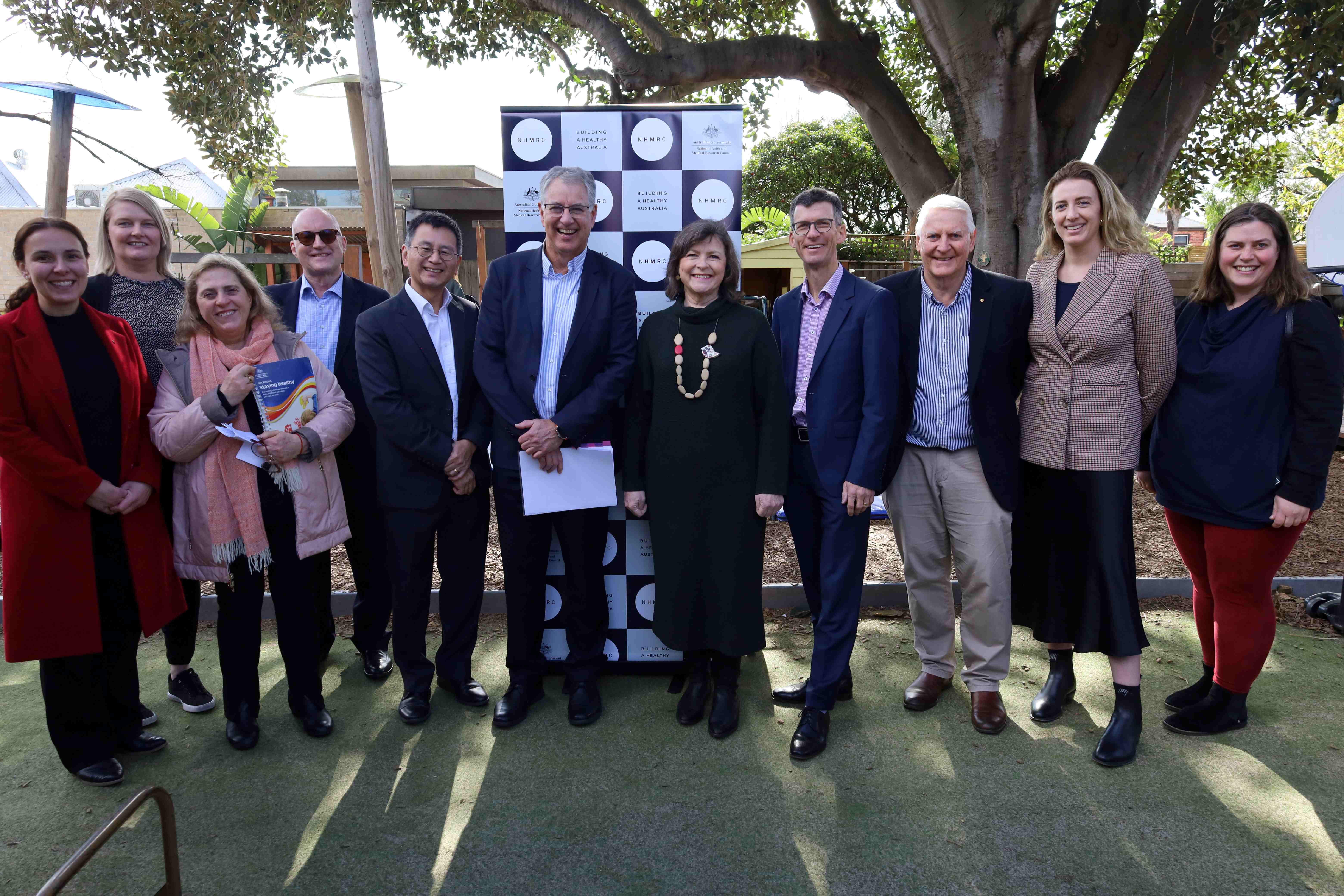
The National Health and Medical Research Council (NHMRC) has launched their sixth edition of Staying healthy: Preventing infectious diseases in early childhood education and care services in a bid to tackle the transmission of germs amongst young kids.