
Search
Showing results for "A"
Young adulthood is a critical life period for health and health behaviours.
We are living in a time of unprecedented risk for noncommunicable diseases (NCDs), such as obesity, cardiovascular disease, diabetes, cancer...
This study aims to identify clinical predictors of influenza infection in children ≤5 years old from which age-specific ILI definitions are then constructed.
We investigated whether the risk of adverse infant outcomes after assisted deliveries was different for mothers admitted as public or private patients for...
The current study investigated the extent to which low levels of joint attention in infancy and parent-child book reading across early childhood increase the...
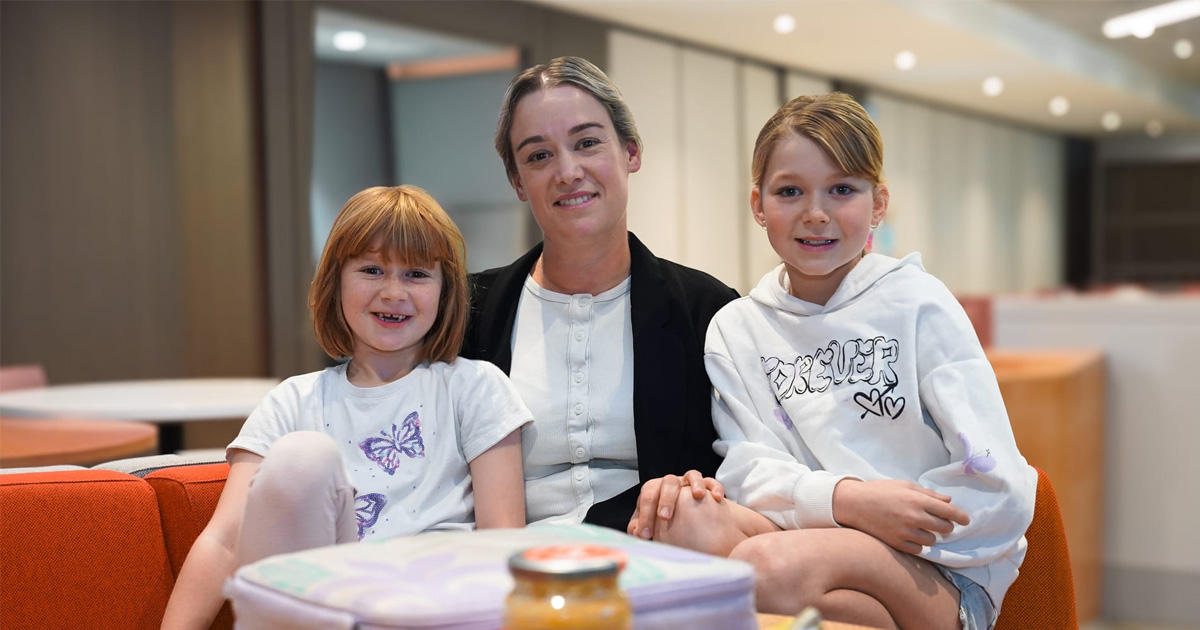
Families who introduce peanut butter and eggs to their baby’s diet at around six months of age can significantly reduce the chances of them developing a life-threatening allergy, according to a new study published in the Journal of Allergy and Clinical Immunology – In Practice.
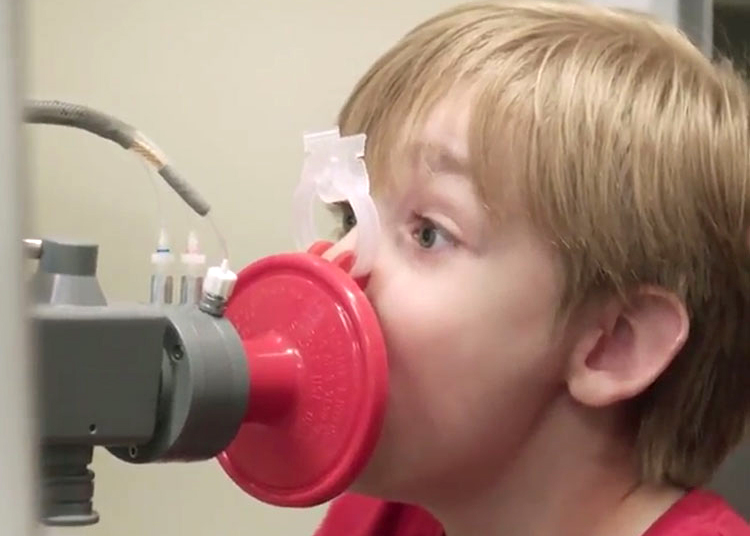
Information about cystic fibrosis awareness month and CF research at The Kids
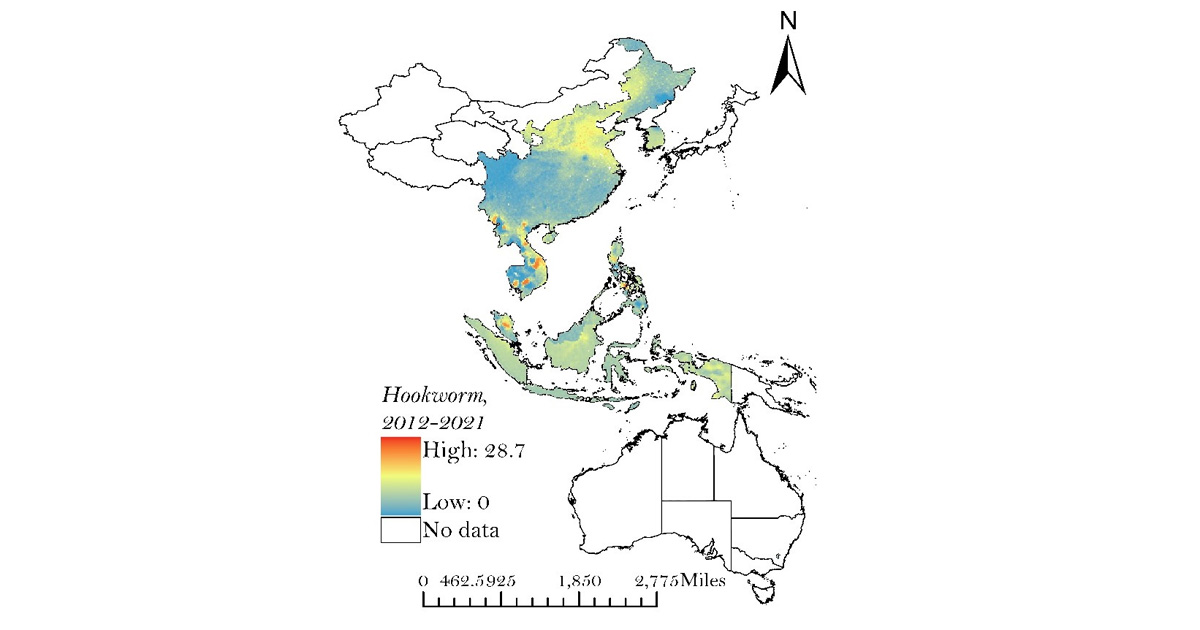
A global research team led by geospatial modelling experts from The Kids Research Institute Australia and Curtin University has provided the first detailed maps identifying hotspots across the Western Pacific Region where debilitating parasitic worms are rife.

An Early-Stage Type 1 Diabetes (T1D) Clinic aims to revolutionise diabetes care and support families navigating the beginning of an early-stage T1D diagnosis.

ORIGINS sub-project, The Flourishing Child, has received a $746,051 grant from the Medical Research Future Fund to develop a Flourishing Assessment and Pathway Tool to address gaps in early intervention for children's mental health.