
Search
Showing results for "A"
Find out more about our research into Aboriginal social and emotional wellbeing
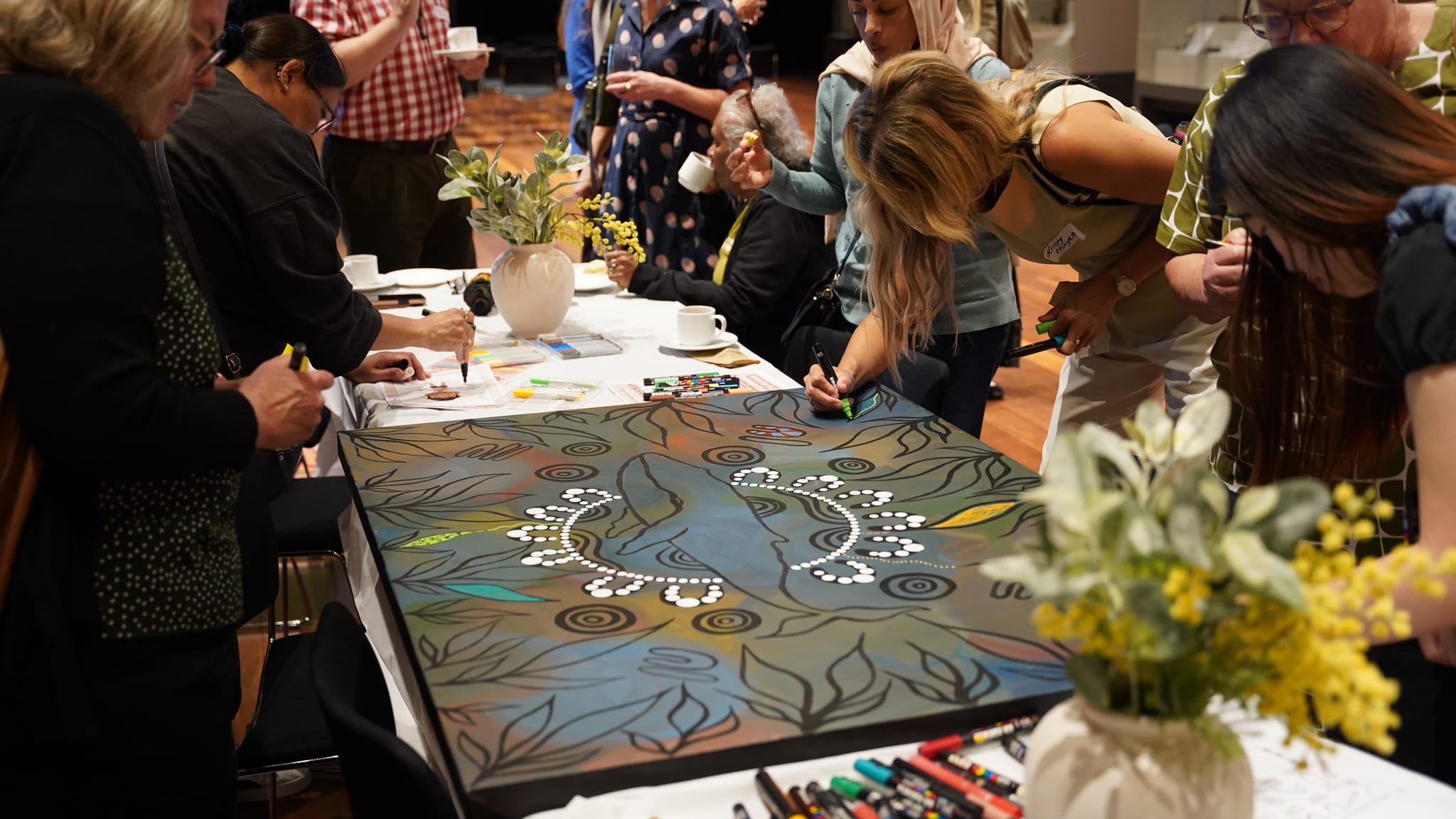
This project aims to improve the cultural safety and effectiveness of mainstream mental health services for Aboriginal and Torres Strait Islander children and families.
Children in low-mid income countries, and First Nations children in high-income countries, experience disproportionately high rates of Streptococcus pneumoniae and Haemophilus influenzae infections and diseases including pneumonia and otitis media.
Exposure to racial discrimination in Aboriginal children increased the risk for a spectrum of interrelated factors linked to negative mental health
Attention to sleep hygiene remains an important management strategy for sleep problems in Rett syndrome
A recent systematic review of 5 randomized clinical trials, found that early egg introduction was associated with reduced egg allergy.
School attendance should therefore be a priority for all schools, and not just those with high rates of absence or low average achievement.
A number of themes emerged from the qualitative data which included parents' views and concerns about the capacity of their young adult to adapt and change to life in adulthood
The PLAYCE study will empirically investigate the relative and cumulative influence of the day care, and home environment on preschoolers’ physical activity
Early 7vPCV schedules have limited impact on pneumococcal vaccine type carriage in PNG