
Search
Showing results for "A"
Male babies that do not have good fetal growth or are exposed to their mothers' smoking are more likely to have a lower sperm count as adults.
In a combination of stories from modern parenting, tales from history, and scientific research, Dr Andrew Whitehouse busts open myths around parenthood.

Dr Andrew Whitehouse says results from a US study are just the first step when it comes to looking for environmental factors related to autism.
A new study led by Australian researchers has outlined for the first time the best treatment options for children suffering from meningioma
The internet is emerging as a valuable tool for scientists to gather data for critical research into rare diseases.
The Early Surveillance Program (ESP) is the platform upon which the AREST CF research program is based.
The Tasmanian Government has made a significant commitment in recent years to ensure children have the best possible start in life.
The project aims to build capacity in regenerative medicine for children with respiratory diseases.
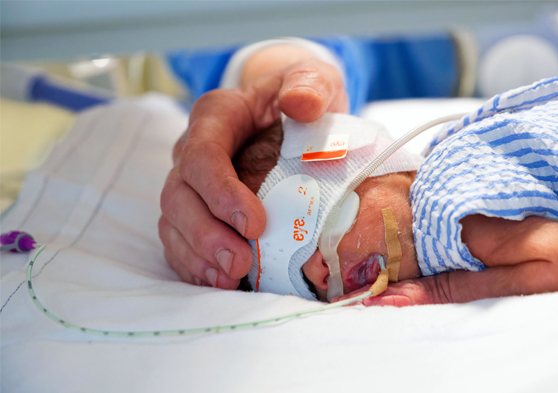
The CIRCA DIEM Study is a clinical research study being coordinated by the Chronobiology Team at Telethon Kids Institute, who are based in Perth, Western Australia and involving research teams from around the world.
The Luminos Project has been co-designed with global experts in youth suicide support, mental health services, and research, alongside input from young people with lived experience, ensuring it meets their needs effectively.