
Search
Showing results for "A"
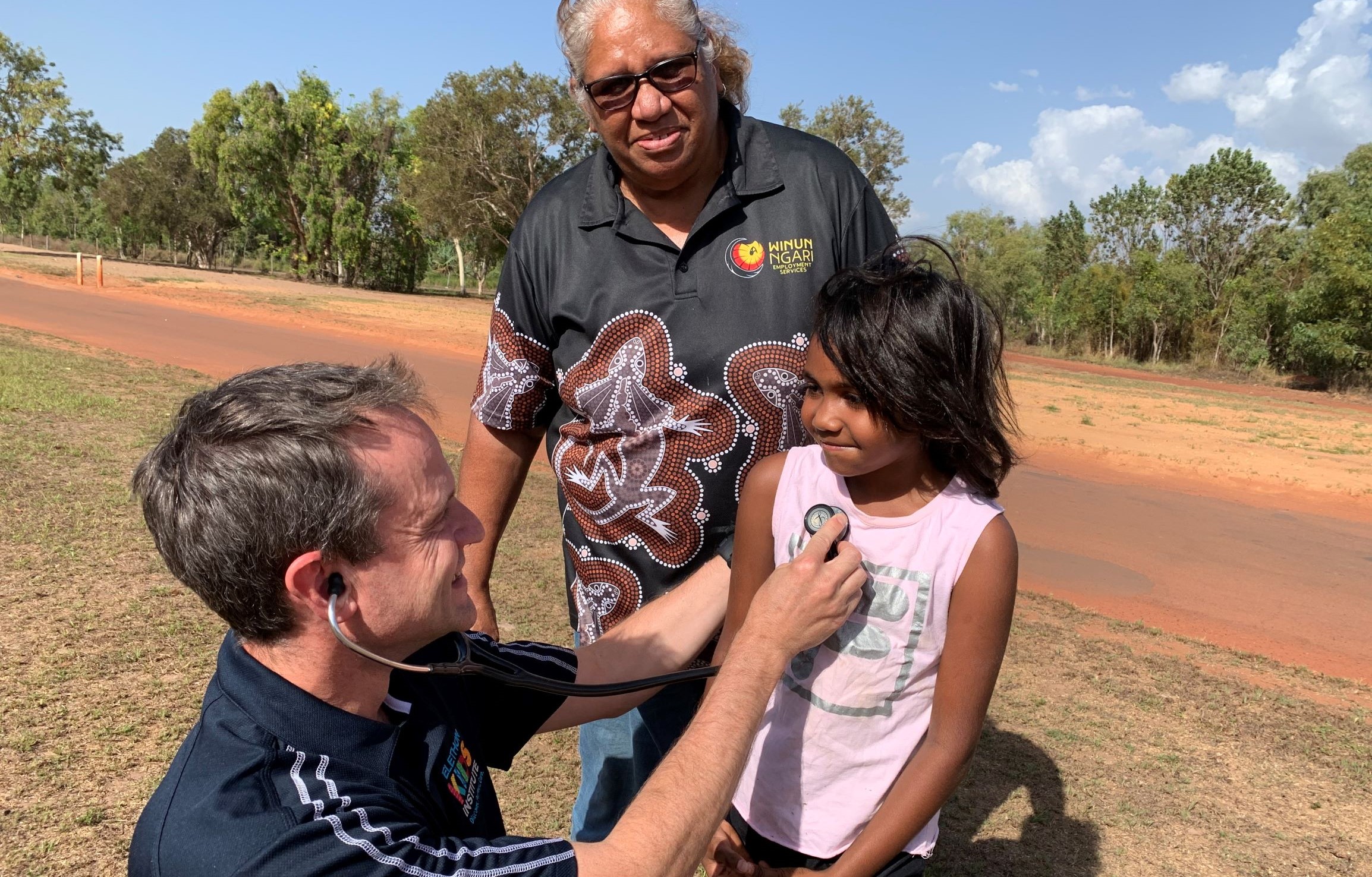
Results from a world first-study measuring prevalence of chronic wet cough and protracted bacterial bronchitis in four Kimberley Aboriginal communities have highlighted the enormity of the health problem.
We investigated our data from family questionnaires to see how feeding difficulties related to age, the type of MECP2 mutation, and the use of gastrostomy.
We wanted to find out whether mothers with a child with Rett syndrome who were more physically and mentally healthy had particular characteristics.
We developed a measure of hand function, and then investigated relationships between hand function, type of MECP2 mutation, age and severity of symptoms.
Our study investigated the impacts of spinal fusion on survival and the risk of developing respiratory infections in females with Rett syndrome.
This study evaluated sixty-one families' satisfaction following spinal fusion in girls with Rett syndrome.

Healthy skin is a vital factor in the fight against life-threatening conditions like sepsis, heart disease and kidney disease, all of which can be caused by the bacteria Strep A.

A website providing the latest research and resources on Fetal Alcohol Spectrum Disorder (FASD) is helping parents, educators, health professionals and policy makers navigate the complexities of the neurodevelopmental impairment condition.
The incidence of invasive GAS disease in WA increased between 2000 and 2018, particularly among Indigenous Australians. Mandatory notification of invasive GAS disease would therefore be appropriate. The social determinants of differences in incidence should be addressed, and other relevant host, pathogen, and health system factors investigated.
The burden of seasonal influenza disease in Australian children is substantial, especially for those with medical comorbidities including chronic cardiac, respiratory, neurological and immunosuppressive conditions. Influenza is more likely to be severe in children with comorbidities compared to previously healthy children (e.g. more frequent and longer hospitalisation, more frequent intensive care unit admission and requiring respiratory support). Direct protection against influenza by vaccination is critical for children with comorbidities and remains the most effective tool for influenza prevention.