
Search
Showing results for "A"
For the first time, the Australian Early Development Index (AEDI) has been completed nationally, giving Australia a snapshot of young children's development.
Girls and young women with Rett syndrome are nearly four times more likely to suffer a fracture.
BABIES SAY "THANK YOU" AS NEW RESEARCH REVEALS BREASTFEEDING BOOSTS MENTAL HEALTH
The Kids for Child Health Research congratulates the WA State Government on its decision not to water down pool fencing legislation.
Children are sometimes transported via fixed or rotary wing aircraft for medical care. If they are intubated with a cuffed endotracheal tube (ETT), changes in environmental pressure during transport can alter cuff pressure. Cuff management in this setting varies widely by region and by organization. In this historical review, we sought to delineate the evolution of ETT cuff management in children undergoing aeromedical retrieval in order to progress the field toward an optimum strategy in the future.
Type-2 diabetes is a systemic condition with rising global prevalence, disproportionately affecting Indigenous communities worldwide. Recent advances in epigenomics methods, particularly in DNA methylation detection, have enabled the discovery of associations between epigenetic changes and Type-2 diabetes. In this review, we summarise DNA methylation profiling methods, and discuss how these technologies can facilitate the discovery of epigenomic biomarkers for Type-2 diabetes.
Tick bites and tick-related diseases are on the rise. Diagnostic tests that identify well-characterised tick-borne pathogens (TBPs) possess limited capacity to address the causation of symptoms associated with poorly characterised tick-related illnesses, such as debilitating symptom complexes attributed to ticks (DSCATT) in Australia. Identification of local signals in tick-bitten skin that can be detected systemically in blood would have both clinical (diagnostic or prognostic) and research (mechanistic insight) utility, as a blood sample is more readily obtainable than tissue biopsies.
While bacille-calmette-guerin (BCG) vaccination is one of the recommended strategies for preventing tuberculosis, its coverage is low in several countries, including Ethiopia. This study investigated the spatial co-distribution and drivers of TB prevalence and low BCG coverage in Ethiopia.

In early 2021, The Kids Research Institute Australia researcher Dr Amy Finlay-Jones led a global team in trying to answer that question to help better prioritise mental health spending.
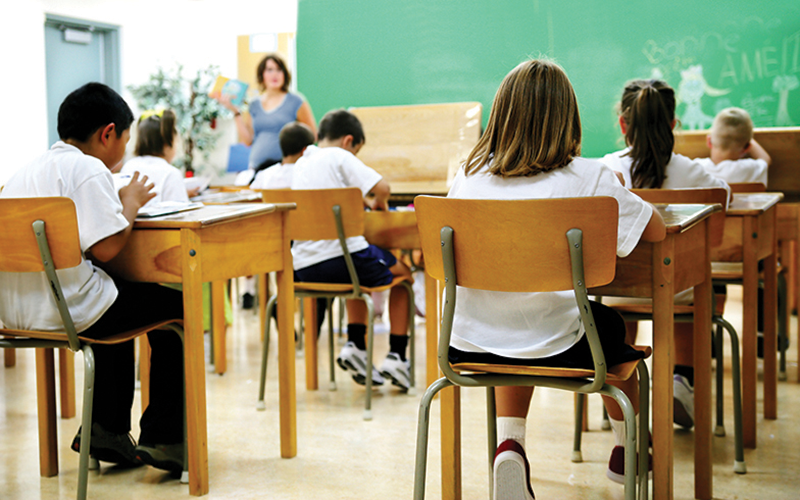
One third of Australia’s children will be better supported at school, thanks to a The Kids Research Institute Australia evidence review of what works best to support student behaviour needs.