
Search
Showing results for "A"
We investigated trends in invasive pneumococcal disease (IPD) in Western Australia (WA).
The aim of this study was to describe current and daily smoking rates, and smoking cessation rates in adults with anxiety disorders
Improving the wellbeing of Australian children and youth: the importance of bridging the know-do gap
Physical and mental health in mothers of children with Down syndrome.
This register was established at Princess Margaret Hospital in 1987 which stores data on all consenting patients attending the hospital’s diabetes clinic.
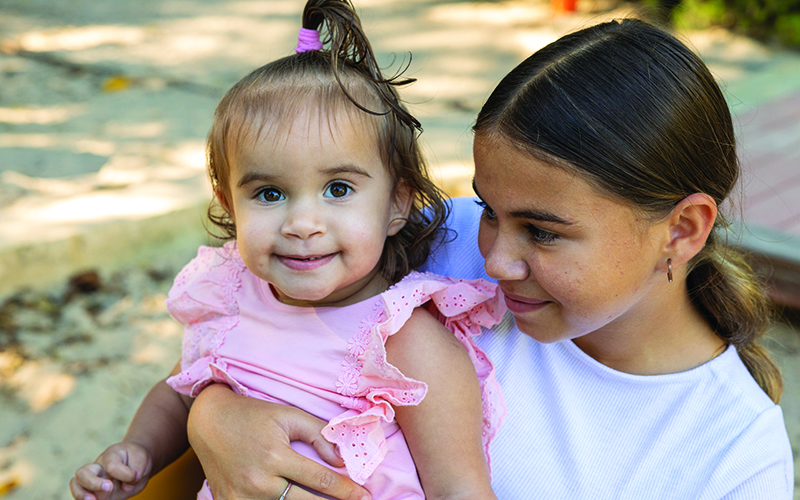
The Penicillin Team are working to accelerate research and clinical trials to improve penicillin formulation and treatment methods, to end RHD.

With the number of COVID-19 infections in Western Australia continuing to grow – including confirmed cases in children – The Kids Research Institute Australia understands that our community is growing increasingly worried.

Young people and their families have teamed up with youth mental health providers and researchers to deliver a report which tackles youth suicide in WA.
Adaptive behaviour change is central to improving population health, yet poor adoption of health-enhancing behaviours contributes to noncommunicable diseases and so remains a global concern. Research on physical activity behaviour change has continued to expand and evolve since the turn of the millennium, guided by diverse theoretical approaches-from social cognitive theories, organismic dialectical approaches such as Self-Determination Theory, dual-process frameworks, and integrated practical models and taxonomies.
This study investigated adherence to Indonesia's Dietary Guidelines (IDG) among lactating women, examining related factors and association with nutrient intake adequacy, maternal and infant biomarkers, body mass index, and growth. Participants were lactating women (n = 220) from urban and rural West Java, Indonesia. Dietary intake (via 3-day weighed food records), anthropometry and blood samples were assessed. Adherence was evaluated using a scoring system tailored for IDG and adapted from the Healthy Eating Index to assess intake of food groups, sugar, salt, fat, water, coffee, and breakfast habits.