
Search
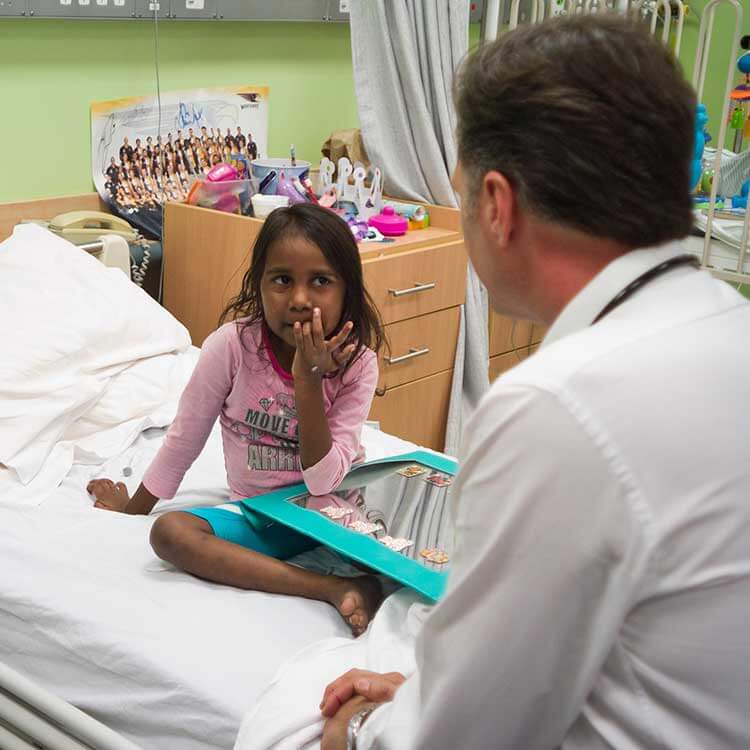
Some of the nation’s leading medical researchers will converge on Darwin this week to step out a plan to wipe out rheumatic heart disease.
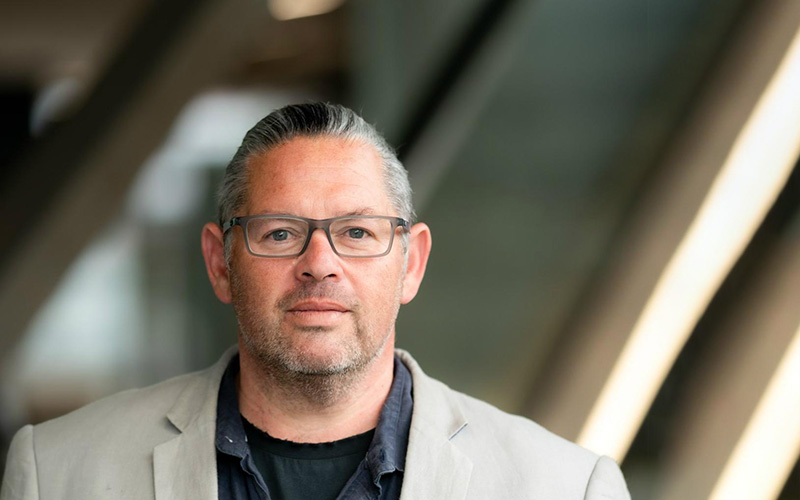
The Kids Research Institute Australia and Australian National University Professor of Indigenous Genomics, Professor Alex Brown, has become the first Indigenous member of the Commonwealth Scientific and Industrial Research Organisation (CSIRO) Board.
Carrington Shepherd PhD Honorary Research Associate Honorary Research Associate Areas of research expertise: Population health; Aboriginal and Torres
Brad Carrington Fiona Farrant Shepherd Stanley BSc (Hons), PhD PhD FAA FASSA MSc MD FFPHM FAFPHM FRACP FRANZCOG HonDSc HonDUniv HonFRACGP HonMD
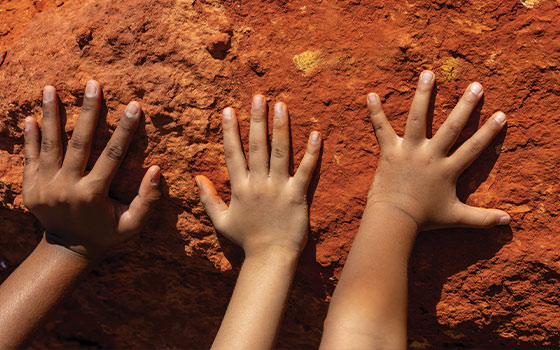
Facilitate research interest & opportunities that involve Aboriginal families & communities and build the capacity and development of Institute researchers
This resource kit for Aboriginal health workers is an exciting milestone in the Rio Tinto Aboriginal Health partnership with The Kids Research Institute Australia
As part of the discussions with Kimberley Aboriginal Medical Service (KAMS) to establish the Broome site of the WAAHKN it has been agreed to establish...
This five-year project in Western Australia (WA) aims to promote vitamin D sufficiency among Aboriginal people by developing food-based dietary strategies to increase vitamin D intakes and by encouraging safe sun exposure.
We found that algorithms reduced the amount of missing data and improved within‑individual consistency.
The present study analyzed the concurrent and longitudinal relations among cognitive flexibility, theory of mind, and hyperactivity/inattention.