
Search
In human asthma, and experimental allergic airways disease in mice, antigen-presenting cells and CD4(+) effector cells at the airway mucosa orchestrate, and CD4
In a sunny country such as Australia, it’s important to identify how to achieve the right amount of sun exposure for good health. We need to be able to harness the benefits of vitamin D and sunlight while remaining protected from the proven dangers of too much UV radiation.
The colonisation of Australia around 250 years ago left a significant enduring impact on the mental health of Aboriginal and Torres Strait Islander peoples. Vitamin D may play a role in modulating mental health as its receptors are present in the brain regions associated with mood and behaviour regulation.
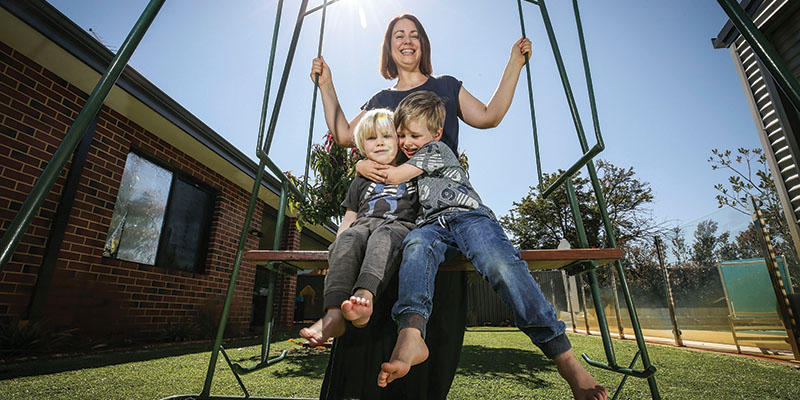
Felix was one of 195 children to take part in Dr Debbie Palmer’s research into sunlight exposure, vitamin D and eczema.
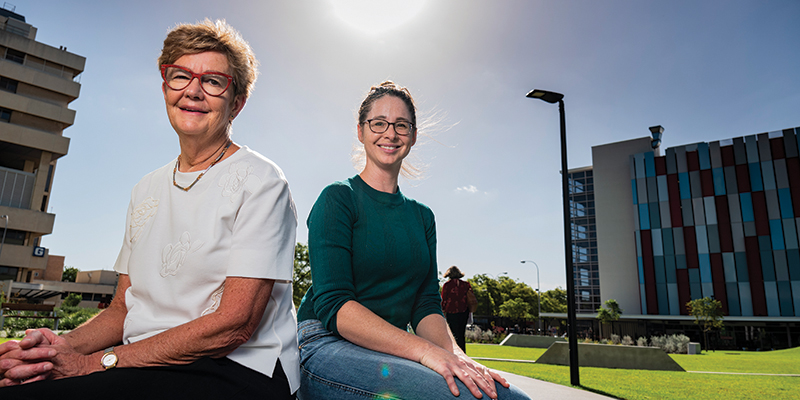
For decades Aussies have been told to minimise sun exposure to prevent skin cancer - now researchers at Telethon Kids are challenging that message.
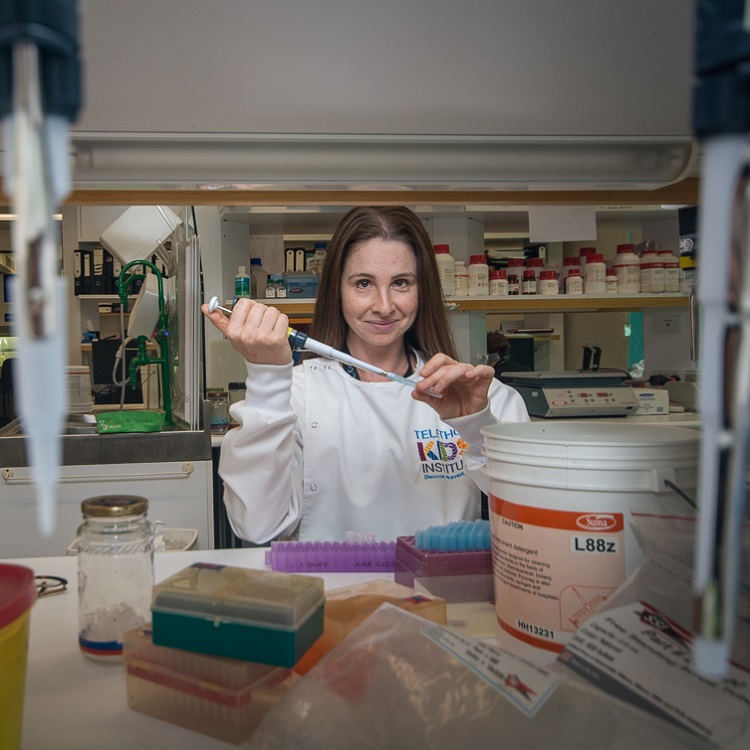
The Kids researcher Dr Shelley Gorman has received a Healthway grant to develop an online tool to promote safe sun behaviours to teenagers.
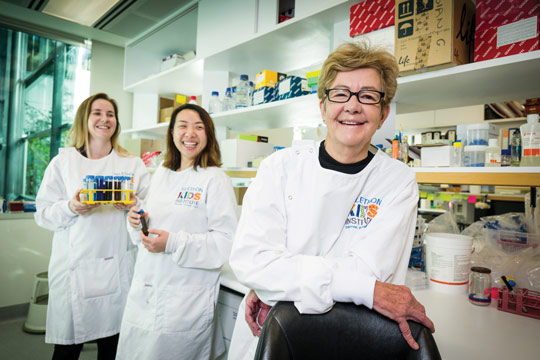
Researchers at The Kids Research Institute Australia are continuing to hone in on the effects of ultraviolet radiation and vitamin D on the immune system.
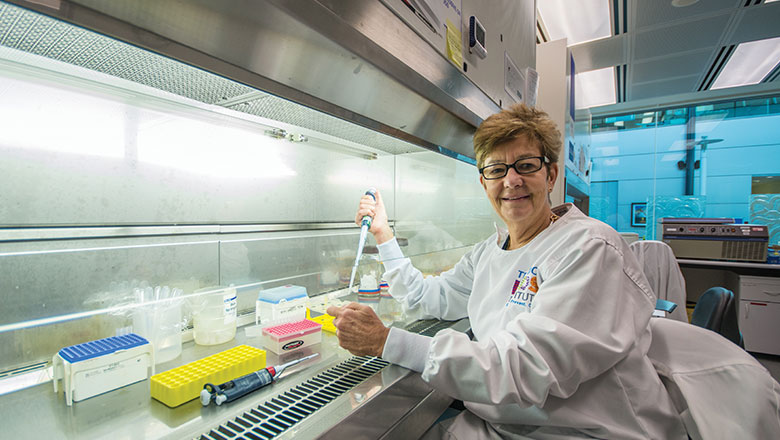
The D-Light program, set up in 2014, aims to shed light on the amount of sun exposure that will promote good health in children and adolescents.
Leading international and national experts will gather at The Kids Research Institute Australia on Friday for a D-Light Research Symposium.
Research by The Kids Research Institute Australia shows a link between low vitamin D during pregnancy and post-natal depression.